TILAURAKOT EAST GATE (MAHAThe Eastern Gate (MahabhinishkramanaDwara)
Introduction
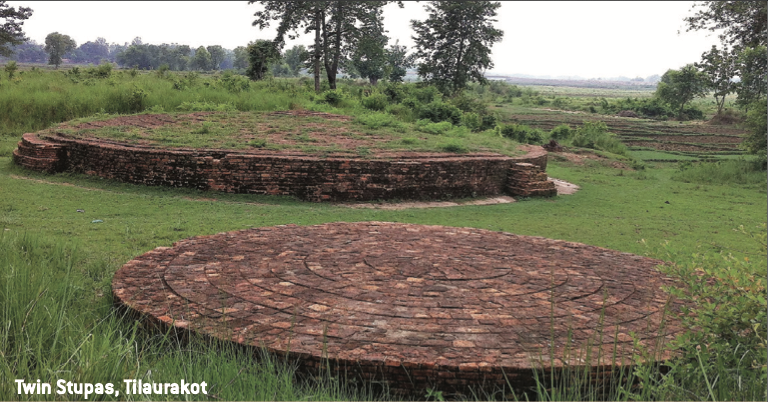
The Eastern Gate, globally revered as the MahabhinishkramanaDwara, marks the sacred exit of the fortified ancient citadel of Tilaurakot. It represents the historic threshold through which Prince Siddhartha Gautama permanently stepped away from royal luxury, familial bonds, and worldly authority to embark on his quest to find an end to universal human suffering.
The gateway stands on the eastern perimeter of the ancient city, leading directly onto an ancient roadway oriented eastward toward Lumbini. Excavations conducted jointly by the Department of Archaeology of the Government of Nepal, UNESCO, and international research partners have uncovered substantial structural remains of this fortified entrance, confirming its central role in regulating movement into and out of the ancient Sakyan capital.
Location and Accessibility
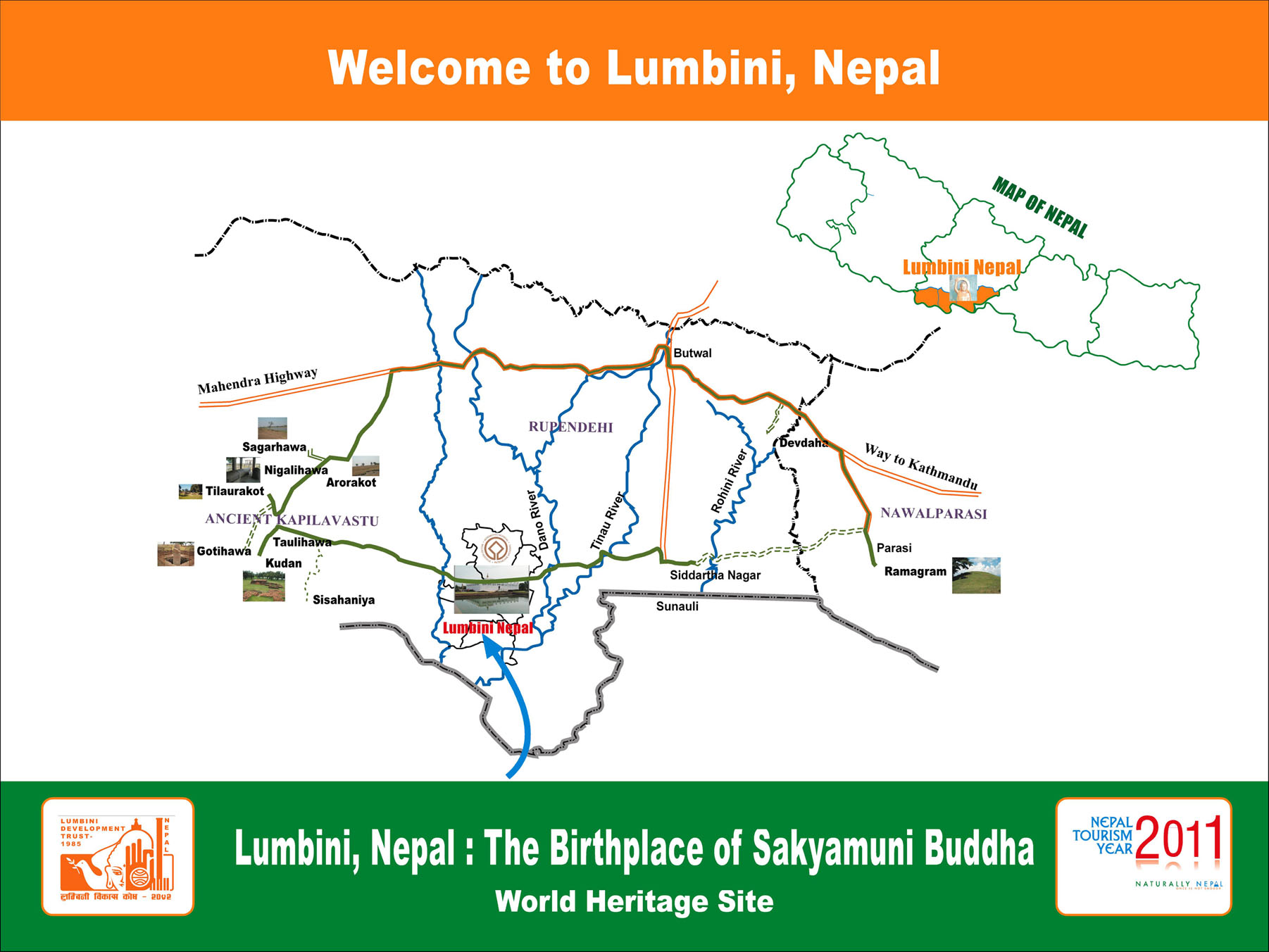
The Eastern Gate is located within the ancient citadel of Tilaurakot, situated approximately 3 kilometers northwest of Taulihawa, the administrative headquarters of Kapilavastu District in Lumbini Province, Nepal. The site lies exactly 29 kilometers west of Lumbini, aligning with the 7th-century travelogues of the Chinese pilgrim Xuanzang.
The monument connects directly to the East-West Highway at Gorusinghe and Jitpur/Bangai, with well-paved regional roads linking it to Gautam Buddha International Airport, Bhairahawa, and Butwal, while travelers arriving from India can enter through the Sunauli, Krishnanagar, or Maryadpur border crossings. Within the archaeological park of Tilaurakot, visitors can easily reach the Eastern Gate via flat, clearly marked walking paths running eastward from the central palace complex.
Historical Background and Significances
Prince Siddhartha spent the first 29 years of his early life within Kapilavastu, living in royal comfort as the heir of King Suddhodana. After witnessing the “Four Sights”—an elderly person, a diseased individual, a corpse, and an ascetic—he experienced a profound spiritual crisis that led him to renounce worldly life.
At midnight, at the age of 29, accompanied by his groom Channa and riding his steed Kanthaka, Siddhartha departed Kapilavastu through its Eastern Gate, stepping from royal privilege into homelessness to seek universal liberation. Recorded in Buddhist scriptures as the Mahabhinishkramana, this event is recognized across Buddhist art and textual traditions as the pivotal turning point from princely life to the path of supreme awakening.
Archaeologically, excavations at the gate complex demonstrate multi-period structural phases extending from the pre-Mauryan and Mauryan periods through the Sunga and Kushan erasspanning the 8th/6th century BCE to the 2nd/3rd century CE. Recovered artifacts across the citadel layers including punch-marked coins, seals, Northern Black Polished Ware (NBPW), and terracotta figurines confirm that this monumental gateway formed an integral component of an advanced, fortified urban civilization.
पूर्वी प्रवेशद्वार (महाभिनिष्क्रमण द्वार)
परिचय
विश्वभर महाभिनिष्क्रमण द्वारका रूपमा पूजनीय पूर्वी प्रवेशद्वारले प्राचीन किल्लायुक्त तिलौराकोट नगरको पवित्र प्रस्थानविन्दुलाई सङ्केत गर्दछ। यो त्यही ऐतिहासिक सङ्घार हो, जहाँबाट राजकुमार सिद्धार्थ गौतमले सर्वव्यापी मानव दुःखको निवारण खोज्ने महान् यात्राका खातिर राजकीय सुखसयल, पारिवारिक बन्धन तथा सांसारिक सत्तालाई सधैँका लागि परित्याग गर्नुभएको थियो।
यो प्रवेशद्वार प्राचीन नगरको पूर्वी परिधिमा अवस्थित छ, जहाँबाट सिधै पूर्व लुम्बिनीतर्फ जाने प्राचीन सडक जोडिन्थ्यो। नेपाल सरकारको पुरातत्व विभाग, युनेस्को र अन्तर्राष्ट्रिय अनुसन्धान साझेदारहरूद्वारा गरिएको संयुक्त उत्खननले यस किल्लायुक्त प्रवेशद्वारका महत्त्वपूर्ण संरचनात्मक अवशेषहरू फेला पारेको छ, जसले प्राचीन शाक्य राजधानीभित्र हुने आवतजावतलाई नियन्त्रण तथा नियमन गर्न यसको केन्द्रीय भूमिका रहेको पुष्टि गर्दछ।
अवस्थिति तथा पहुँच
पूर्वी प्रवेशद्वार नेपालको लुम्बिनी प्रदेशअन्तर्गत कपिलवस्तु जिल्लाको प्रशासनिक सदरमुकाम तौलिहवाबाट करिब ३ किलोमिटर उत्तर-पश्चिममा रहेको प्राचीन तिलौराकोट परिसरभित्र अवस्थित छ। यो स्थल लुम्बिनीभन्दा ठ्याक्कै २९ किलोमिटर पश्चिमतर्फ पर्दछ, जुन सातौँ शताब्दीका चिनियाँ तीर्थयात्री ह्वेनसाङको यात्रा विवरणसँग हुबहु मेल खान्छ। यो स्मारक गोरुसिङ्गे र जितपुर/बङ्गईस्थित पूर्व-पश्चिम राजमार्गसँग सिधै जोडिन्छ। यहाँबाट पक्की क्षेत्रीय सडकमार्फत भैरहवास्थित गौतमबुद्ध अन्तर्राष्ट्रिय विमानस्थल तथा बुटवलसम्म सजिलै पुग्न सकिन्छ भने भारतबाट आउने यात्रुहरू सुनौली, कृष्णनगर वा मर्यादपुर सीमानाका भएर प्रवेश गर्न सक्दछन्। तिलौराकोट पुरातात्विक उद्यानभित्र, आगन्तुकहरू केन्द्रीय दरबार परिसरबाट पूर्वतर्फ जाने समथर तथा स्पष्ट रूपमा चिह्नित पदमार्गहरू हुँदै सजिलै पूर्वीय प्रवेशद्वारसम्म पुग्न सक्दछन्।
ऐतिहासिक पृष्ठभूमि तथा महत्त्व
राजकुमार सिद्धार्थले आफ्नो जीवनको प्रारम्भिक २९ वर्ष राजा शुद्धोदनको उत्तराधिकारीका रूपमा राजकीय वैभवबीच कपिलवस्तुमै बिताउनुभएको थियो। चार दृश्यहरू: एक वृद्ध व्यक्ति, एक बिरामी, एक शव, र एक सन्न्यासीलाई प्रत्यक्ष देखेपछि उहाँमा गहिरो आध्यात्मिक वैराग्य उत्पन्न भयो, जसले उहाँलाई सांसारिक जीवन त्याग्न प्रेरित गर्यो। उनन्तीस वर्षको उमेरमा, मध्यरातको समयमा आफ्ना सारथि छन्दकलाई साथमा लिई आफ्नो घोडा कन्थकमा सवार भएर राजकुमार सिद्धार्थले कपिलवस्तुको यसै पूर्वी प्रवेशद्वारबाट महाप्रस्थान गर्नुभयो। उहाँले सर्वव्यापी मुक्तिको खोजीमा राजकीय सुखसयल त्याग गरी अनगारिक जीवन रोज्नुभयो। बौद्ध धर्मशास्त्रहरूमा’महाभिनिष्क्रमणका रूपमा लिपिबद्ध यो ऐतिहासिक घटनालाई सम्पूर्ण बौद्ध कला तथा ग्रन्थ परम्परामा राजसी जीवनबाट सर्वोच्च बोधिज्ञानको मार्गतर्फ डोर्याउने निर्णायक मोडका रूपमा स्वीकार गरिन्छ।
पुरातात्विक दृष्टिकोणबाट, यस प्रवेशद्वार परिसरको उत्खननले इसापूर्व आठौँ/छैटौँ शताब्दीदेखि दोस्रो/तेस्रो शताब्दी ईस्वीसम्म फैलिएको पूर्व-मौर्य र मौर्य काल हुँदै शुङ्ग र कुषाण कालसम्मका बहु-सामयिक संरचनात्मक चरणहरू देखाएको छ। यस किल्लाका तहहरूबाट प्राप्त पञ्चमार्क सिक्का, छापहरू, उत्तरी कालो टल्कने माटोका भाँडा, र टेराकोटाका मूर्तिहरू जस्ता पुरातात्विक वस्तुहरूले यो भव्य प्रवेशद्वार एक उन्नत, सुदृढ र किल्लायुक्त सहरी सभ्यताको अभिन्न अङ्ग थियो भन्ने तथ्यलाई प्रमाणित गर्दछन्।