Sisaniya is an ancient archaeological site located within the historical Kapilavastu cultural landscape of Lumbini Province, Nepal. Recognized as an ancient Sakya settlement, the site features a prominent structural mound believed to entomb ancient Buddhist structures, including a stupa and sangharama. Archaeological investigations have firmly established Sisaniya as a significant craft and industrial production center during the Kushan period.
Location and Accessibility
Sisaniya is located in Kapilavastu District. It lies roughly 10 km South- East from Kudan and approximately 18 km South from Tilaurakot, accessible via local road connections running through Dohani and Taulihawa. Visitors traveling from the district center of Taulihawa or from the Lumbini Sacred Garden can reach the site by taking local roadway corridors connecting Taulihawa, Dohani, and surrounding rural settlements.
Historical Background and Significance
Sisaniya represents an important urban and production node within the wider Kapilavastu heritage complex. Archaeological excavations have confirmed that the site housed a vibrant craft and manufacturing center dating to the Kushan era. Findings from the excavations include substantial deposits of iron slag and vitrified glass waste, demonstrating active metallurgy and vitreous material processing. In addition to industrial materials, excavations have recovered ceramics and terracotta figurines characteristic of the Kushan period. Complementing excavation data, geophysical surveys conducted across the mound have revealed extensive subterranean structural networks spanning the area.
Major Attractions and Archaeological Features
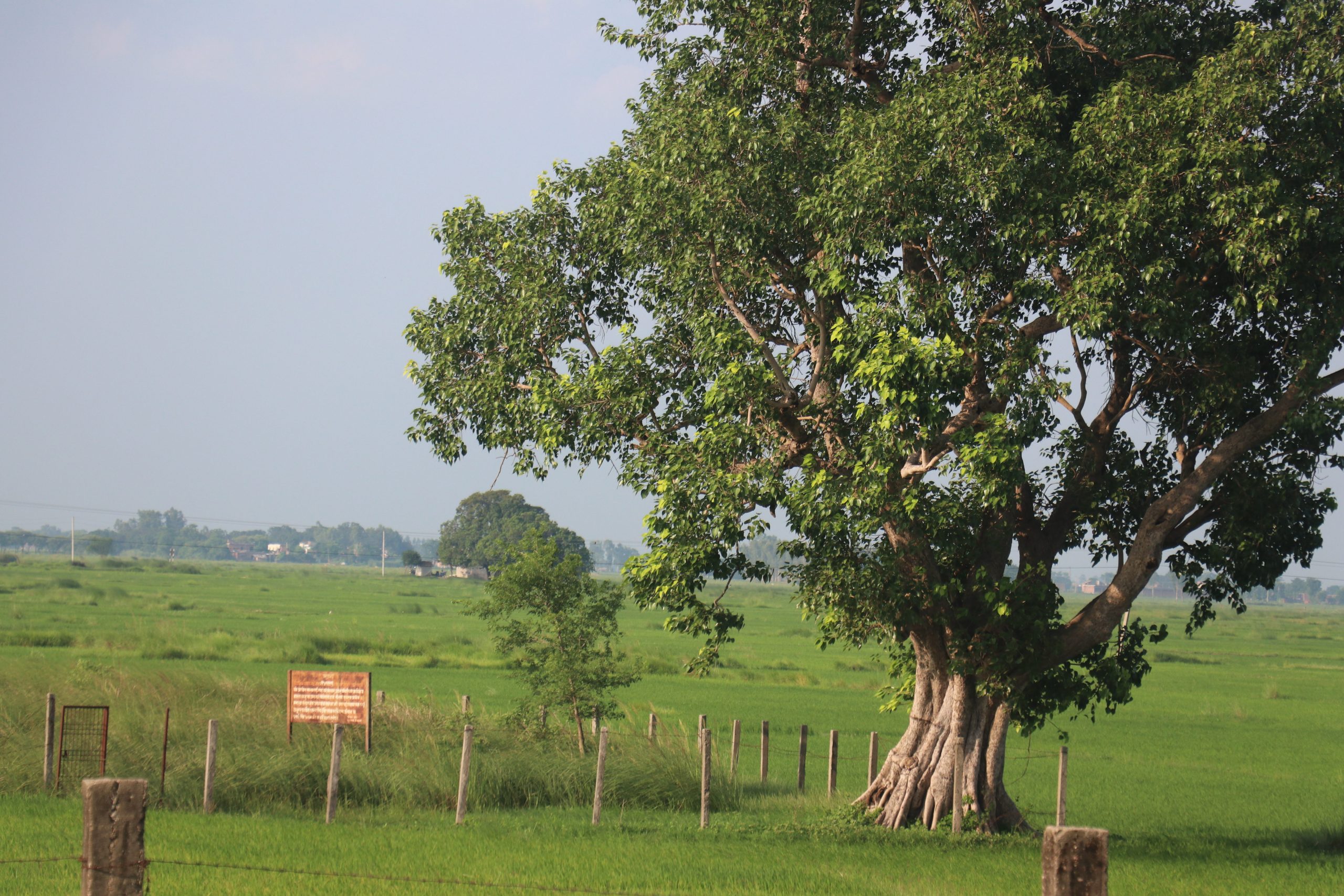
The major attractions of Sisaniya center on its prominent elevated mound, which preserves buried brick architecture traditionally linked to an ancient stupa and a Sakya monastic residence. Geophysical surveys at the site have also documented extensive subterranean structural ruins hidden beneath the surface. Visitors and researchers can observe compelling material evidence of Kushan-era industry and daily life, including metallurgical iron slag, glass production waste, period ceramics, and terracotta figurines. Set within the traditional farming landscape of the Kapilavastu plains, the site provides valuable insight into the satellite communities that once flourished around the ancient capital of Tilaurakot.
परिचय
सिसनिया नेपालको लुम्बिनी प्रदेशस्थित ऐतिहासिक कपिलवस्तु सांस्कृतिक परिदृश्यभित्र अवस्थित एक प्राचीन पुरातात्त्विक स्थल हो। प्राचीन शाक्य वस्तीका रूपमा परिचित यस स्थलमा एक प्रमुख संरचनात्मक थुम्को रहेको छ, जसमा स्तूप र सङ्घारामसहितका प्राचीन बौद्ध संरचनाहरू पुरिएको विश्वास गरिन्छ। पुरातात्त्विक अनुसन्धानहरूले सिसनियालाई कुषाण कालीन एक महत्त्वपूर्ण शिल्प तथा औद्योगिक उत्पादन केन्द्रका रूपमा दृढतापूर्वक स्थापित गरेका छन्।
अवस्थिति तथा पहुँच
सिसनिया कपिलवस्तु जिल्लामा पर्दछ। यो कुदानबाट करिब १० किमी दक्षिण-पूर्व र तिलौराकोटबाट करिब १८ किमी दक्षिणमा अवस्थित छ, जहाँ दोहनी र तौलिहवा हुँदै जाने स्थानीय सडक सञ्जालमार्फत पुग्न सकिन्छ। जिल्लाको सदरमुकाम तौलिहवा वा लुम्बिनी पवित्र उद्यानबाट यात्रा गर्ने आगन्तुकहरूले तौलिहवा, दोहनी र वरपरका ग्रामीण वस्तीहरू जोड्ने स्थानीय सडक मार्ग प्रयोग गरी यस स्थलसम्म पुग्न सक्छन्।
ऐतिहासिक पृष्ठभूमि तथा महत्त्व
सिसनिया बृहत् कपिलवस्तु सम्पदा क्षेत्रभित्रको एक महत्त्वपूर्ण सहरी तथा उत्पादन केन्द्रको रूपमा रहेको छ। पुरातात्त्विक उत्खननहरूले यस स्थलमा कुषाण कालको एक सक्रिय शिल्प तथा उत्पादन केन्द्र रहेको पुष्टि गरेका छन्। उत्खननबाट प्राप्त अवशेषहरूमा फलामको किट र काँचका अवशेषहरू ठूलो परिमाणमा फेला परेका छन्, जसले यहाँ सक्रिय धातु विज्ञान र काँच प्रशोधन कार्य हुने गरेको देखाउँछ। औद्योगिक सामग्रीका अतिरिक्त, उत्खननका क्रममा कुषाण कालीन विशिष्ट माटोका भाँडाकुँडा र माटोका मूर्तिहरू समेत फेला परेका छन्। उत्खननका तथ्यहरूलाई थप पुष्टि गर्दै ढिस्कोमा गरिएका भूभौतिकीय सर्वेक्षणहरूले यस क्षेत्रमा फैलिएको विस्तृत भूमिगत संरचनात्मक सञ्जाल उजागर गरेका छन्।
प्रमुख आकर्षण तथा पुरातात्त्विक विशेषताहरू
सिसनियाका प्रमुख आकर्षणहरू यसको अग्लो संरचनात्मक ढिस्कोमा केन्द्रित छन्, जसले शाक्यहरूद्वारा निर्मित प्राचीन स्तूप र सङ्घारामसँग पारम्परिक रूपमा सम्बन्धित पुरिएका इँटाका संरचनाहरू संरक्षण गरेको छ। यस स्थलको भूभौतिकीय सर्वेक्षणले जमिनमुनि लुकेका विस्तृत संरचनात्मक भग्नावशेषहरू पनि अभिलेखीकरण गरेको छ। आगन्तुक तथा अनुसन्धानकर्ताहरूले यहाँ धातुजन्य फलामको किट, काँच उत्पादनका अवशेष, तत्कालीन माटोका भाँडाकुँडा र टेराकोटाका मूर्तिहरूसहित कुषाण कालीन उद्योग र दैनिक जीवनका ठोस प्रमाणहरू अवलोकन गर्न सक्छन्। कपिलवस्तुको समथल भूभागको परम्परागत कृषि परिदृश्यभित्र अवस्थित यस स्थलले प्राचीन राजधानी तिलौराकोट वरिपरि कुनै समय विकसित भएका उपग्रह वस्तीहरू बारे महत्त्वपूर्ण ऐतिहासिक ज्ञान प्रदान गर्दछ।