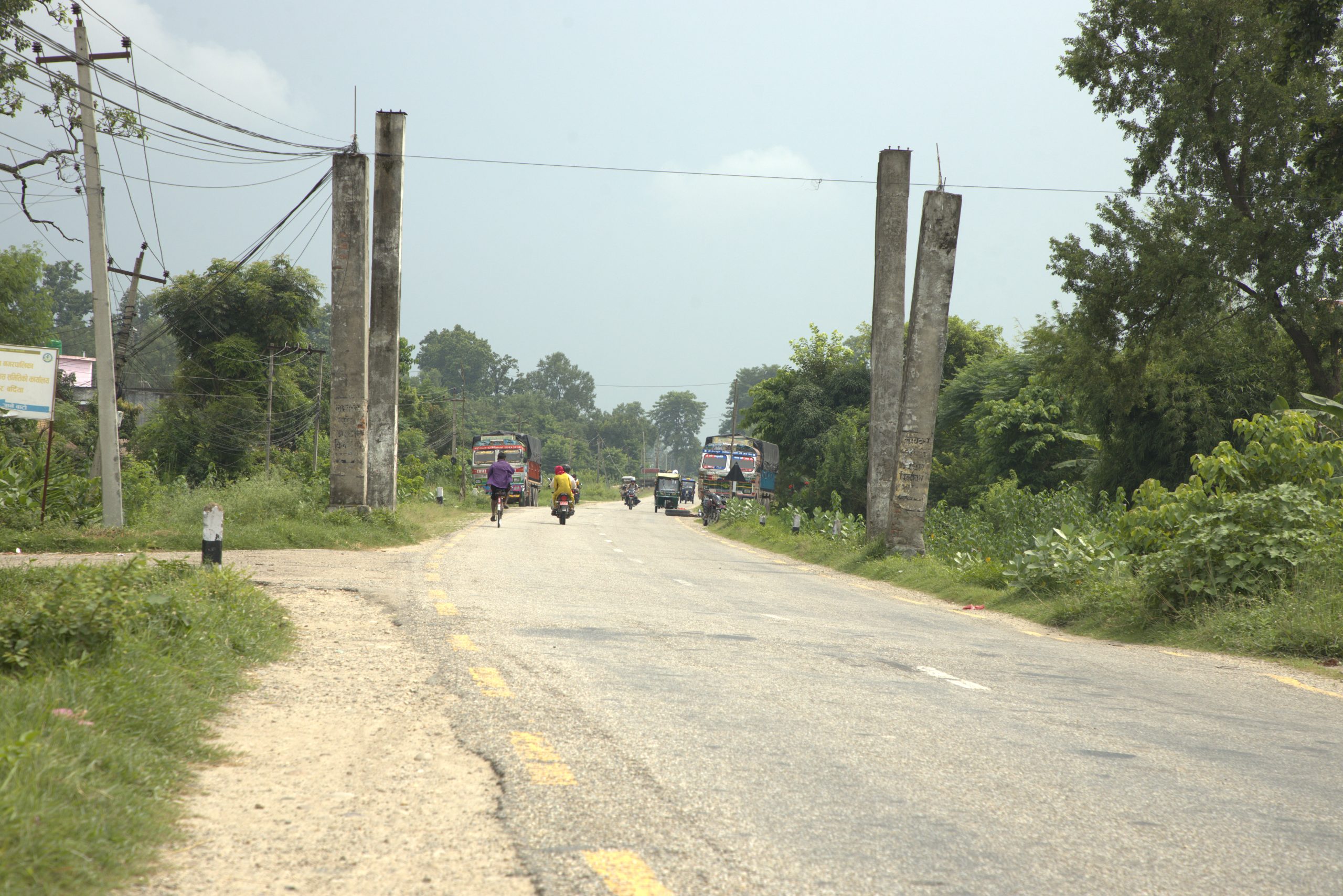
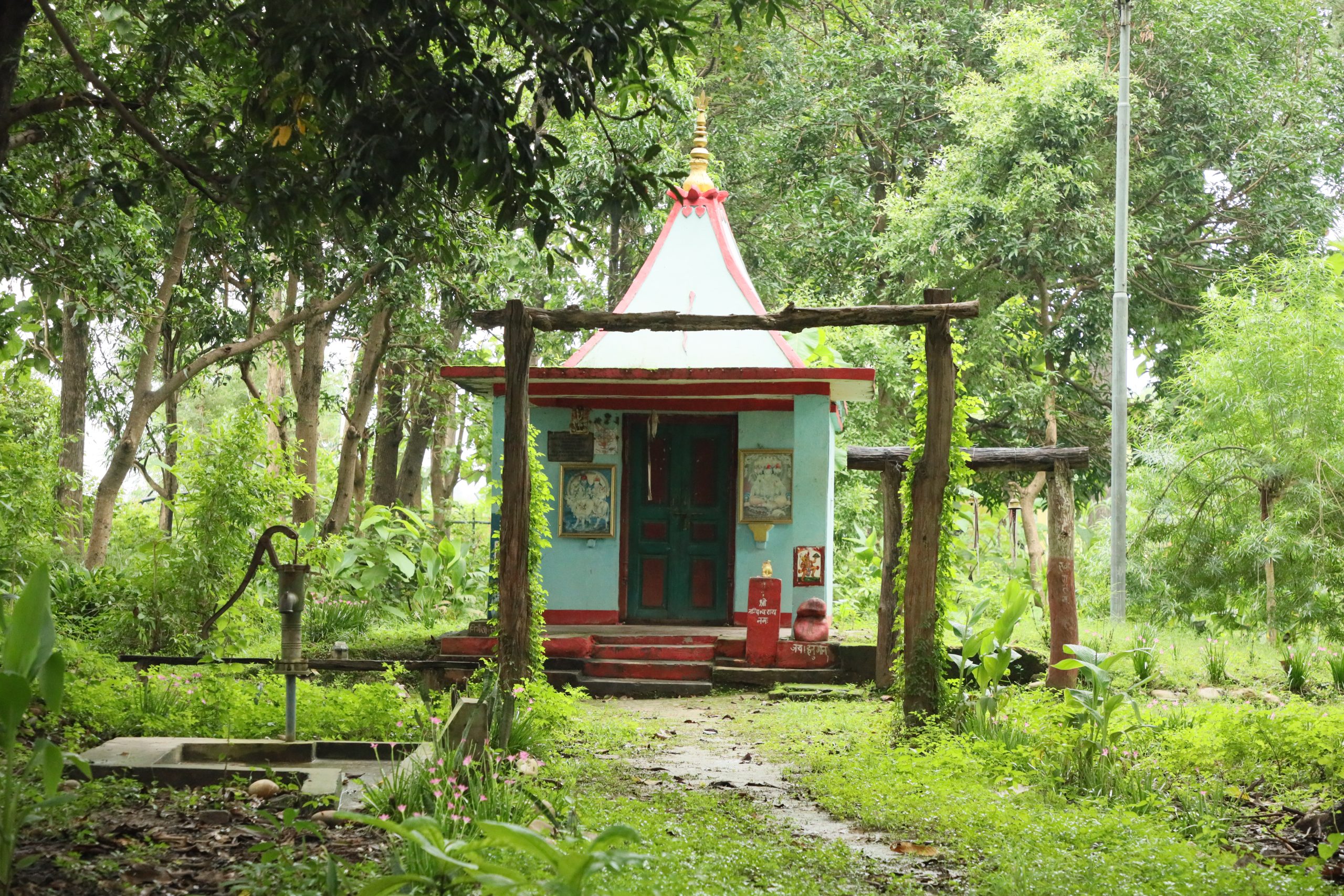
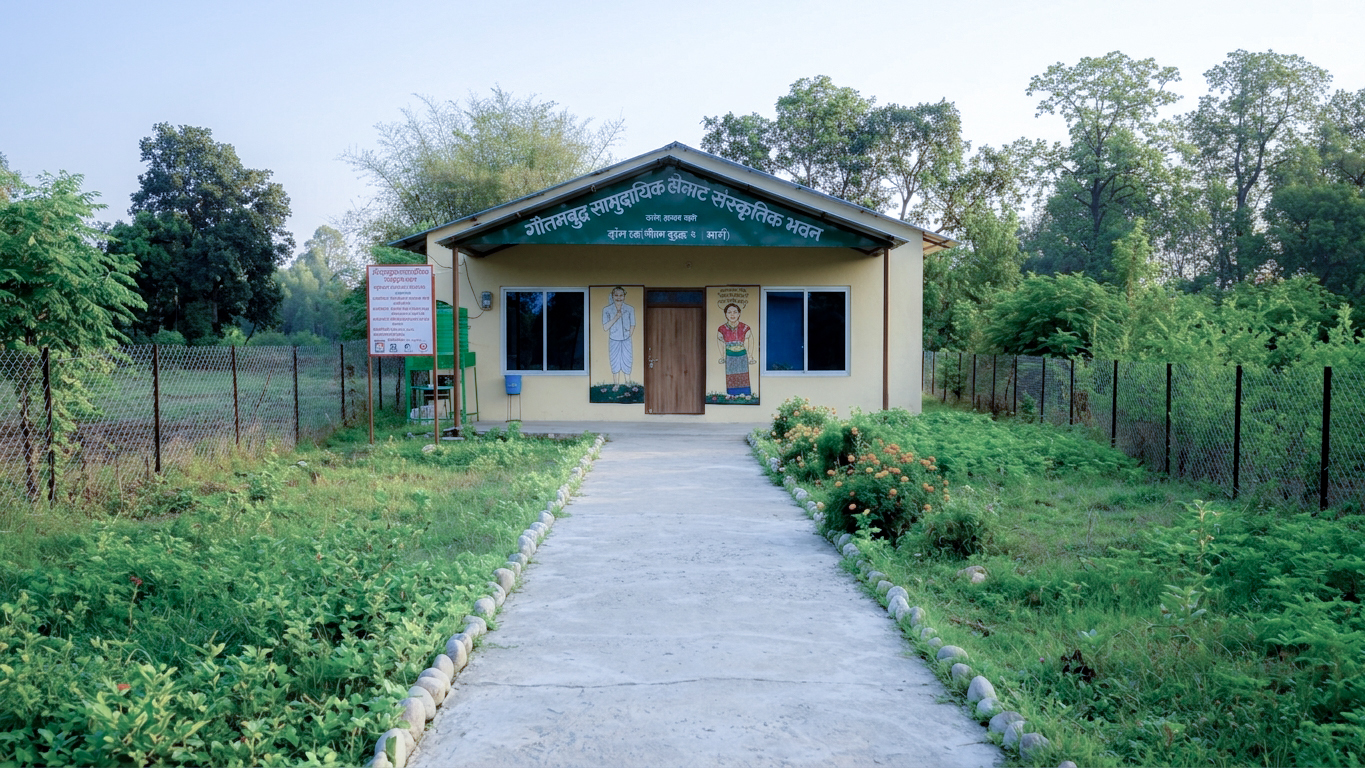
Located in Ranipur, Bhurigaun, Bardiya, the ethnic museum here is an important repository of indigenous culture. It houses a collection of traditional Tharu attire, old jewelry, and historic agricultural tools. It helps new generations and researchers understand local folk culture, ways of life, and history. To its southwest lies the road leading to the Thakurdwara area. Being close to Bardiya National Park, this area has become an attractive cultural destination for both domestic and international tourists.
Naming and History
Many years ago, there was an old well in the open field that is now Ranipur Chowk. The surrounding natural environment was exceptionally beautiful and captivating. To enjoy this scenic view and to travel about, the king and queen of the time would come to the area via the railway road. When tired from their journey, they would rest in the shade of a large tree that stood there.
One day, while resting there, the queen suddenly grew very thirsty. She went to the well in the field to drink water. But while drawing water from the well, she suddenly lost her balance, fell into the well, and drowned. Because the queen died after falling into the well in this way, the place came to be called “Ranikuwa” (Queen’s Well). Over time, this name is believed to have gradually become corrupted into today’s “Ranipur.” This tragic event and the story behind the naming have been passed down as folklore for generations, told by elders of the local Tharu community.
As times changed, the old well, which stood as a historic landmark, was filled in, and a large field was built in its place. Grand cultural events had long been held there. In particular, the traditional Lakhe dance, performed wearing masks, used to be showcased there. So many people from the surrounding villages would gather to watch this captivating Lakhe dance and enjoy themselves that there would be no room to even set foot on the road to Ranipur.
Today, a well-organized covered hall has been built on that same field for sports and other activities. In this way, that historically and culturally significant field of the past has now taken on a modern form. Alongside the covered hall today are also kabaddi and kho-kho playing fields, which have produced not only local-level athletes but also heroic sportspeople who have flown Nepal’s flag on a stage as grand as the World Cup.
Kho-Kho and Its Players
Native players from Thakurbaba Municipality began their journey by winning a bronze medal at the 12th South Asian Games (SAG) in 2016, ahead of the first Kho-Kho World Cup (New Delhi). They went on to give an excellent performance at the fourth international competition held in 2022. But the most golden and historic moment in Bardiya’s sporting history came when, playing for the Nepali team at the “first Kho-Kho World Cup,” held in New Delhi, India, Thakurbaba’s brave athletes secured the world’s second place (silver medal). Overcoming powerful nations from around the world, the role these Bardiya athletes played in helping the Nepali team win the silver medal is unparalleled. This victory is not just a medal — it is a historic milestone that has immortalized the name of Thakurbaba and Bardiya forever in the history of world sports.
Ranipur, the historic birthplace of the World Cup runner-up athletes, has now become a must-visit destination for sports enthusiasts and tourists alike.
This has made the Ranipur area known not only for its natural beauty and Tharu culture, but also as a name written in golden letters in international sporting history.
Ranipur Sekuwa Bhansa Ghar
For those visiting Bardiya who wish to taste its authentic flavors, “Ranipur Sekuwa Bhansa Ghar,” which has gone quite viral on social media, is a purely native destination located right beside the kabaddi hall, run by local Tharu brothers. Here, visitors can experience not just a business but the genuine, heartfelt hospitality found in Tharu culture. The temptingly spicy, tangy, and fragrant chutney, specially prepared by pounding ingredients in the traditional wooden vessel called “dokni” — considered the pride of Tharu cuisine — is a main attraction here.
Viral Local Chicken Sekuwa
Piping hot local chicken sekuwa, marinated with native Tharu-style spices and grilled over coals, is the signature dish here. Once tasted, its flavor lingers on the tongue.
Organic Local Dal-Bhat: Made from homegrown grains and cooked in the traditional way, native dal, rice, local goat or chicken meat, and seasonal vegetables are also available here.
For a long time, many knew Bardiya only as the district home to the park where tigers, rhinoceroses, and Bengal tigers could be seen. But in recent years, Bardiya has succeeded in drawing the attention of tourists and researchers from around the world through sports as well.
बर्दियाको रानीपुर, भुरीगाउँमा अवस्थित जनजाति संग्रहालय आदिवासी संस्कृतिको महत्वपूर्ण धरोहर हो। यहाँ विशेष गरी थारु समुदायका परम्परागत भेषभूषा, पुराना गहना र ऐतिहासिक कृषि औजारहरू संग्रह गरिएका छन्। यसले नयाँ पुस्ता र अनुसन्धानकर्ताहरूलाई स्थानीय लोक-संस्कृति, रहनसहन र इतिहास बुझ्न मद्दत पुर्याउँछ। यसको दक्षिण-पश्चिम बाट ठाकुरद्वारा क्षेत्र जाने बाटो पर्दछ । बर्दिया राष्ट्रिय निकुञ्ज नजिकै रहेकाले यो क्षेत्र आन्तरिक तथा बाह्य पर्यटकहरूको आकर्षक सांस्कृतिक गन्तव्य बनेको छ।
नामकरण र इतिहास
धेरै वर्ष पहिलेको कुरा हो, हालको रानीपुर चोकको खुल्ला मैदान (फिल्ड) मा एउटा पुरानो कुवा थियो। त्यस वरपरको प्राकृतिक वातावरण अति नै सुन्दर र मनमोहक थियो। त्यही सुन्दर दृश्यको आनन्द लिन र घुमफिर गर्नका लागि तत्कालीन राजा र रानी रेलवे सडक हुँदै त्यस क्षेत्रमा आउने गर्दथे। यात्राका क्रममा थकाई लाग्यो भने त्यही रहेको एउटा ठुलो रुखको छहारी मुनि बसेर आफ्नो थकान मेटाउने गर्दथे।
एकदिन त्यसरी नै आराम गरिरहेका बेला रानीलाई अचानक कडा तिर्खा लाग्यो। रानी पानी पिउनका लागि त्यही मैदानमा रहेको कुवा तर्फ गइन्। तर, कुवाबाट पानी निकाल्ने क्रममा अचानक सन्तुलन बिग्रिएर रानी त्यही कुवाभित्र खसिन् र डुबेर उनको मृत्यु भयो। यसरी रानी कुवामा खसेर मृत्यु भएको हुनाले उक्त ठाउँको नाम ‘रानीकुवा’ भयो। समय बित्दै जादा, त्येई नाम अप्रभंस भएर हाल ‘रानीपुर’ रहन गएको हो भन्ने विश्वास गरिन्छ। यो दुःखद घटना र नामकरणको प्रसङ्ग स्थानीय थारु समुदायका अग्रज व्यक्तिहरूको मुखबाट पुस्तौंदेखि लोककथाको रूपमा सुन्दै आइरहेको पाइन्छ।
समय परिवर्तन भए सँगै, ऐतिहासिक धरोहरको रूपमा रहेको त्यो पुरानो कुवालाई पुरेर त्यहाँ ठुलो मैदान बनाइयो । जसमा पहिलेदेखि नै भव्य सांस्कृतिक कार्यक्रमहरू आयोजना हुने गर्दथे। विशेष गरी त्यहाँ मुकुन्डो लगाएर नाचिने परम्परागत लाखे नाच प्रदर्शन गरिन्थ्यो। यो आकर्षक लाखे नाच हेर्न र रमाइलो गर्न वरपरका गाउँहरूबाट मानिसहरूको यति ठुलो घुइँचो लाग्थ्यो कि रानीपुरको बाटोमा खुट्टा टेक्ने ठाउँ समेत हुँदैनथ्यो।
अहिले त्यही मैदानमा खेलकुद र अन्य गतिविधिहरू सञ्चालन गर्नका लागि व्यवस्थित कभर्डहल(Covered Hall) निर्माण गरिएको छ। यसरी विगतको त्यो ऐतिहासिक र सांस्कृतिक मैदान अहिले आधुनिक स्वरूपमा परिणत भएको छ। हाल कभर्डहल संग-संगै कबड्डी र खो-खो खेल मैदान पनि छ, जसले स्थानीय स्तरमा खेलाडी मात्र उत्पादन गरेनन्, विश्वकप जस्तो विशाल मञ्चमा नेपालको झण्डा फहराउने वीर इतिहासकारहरू समेत जन्माएका छन्।
खो-खो खेल र खेलाडी
पहिलो विश्वकप खो-खो प्रतियोगिता (नयाँ दिल्ली) ठाकुरबाबा नगरपालिकाका रैथाने खेलाडीहरूले सन् २०१६ को १२औँ दक्षिण एशियाली खेलकुद (SAG) मा कांस्य पदक जितेर आफ्नो यात्रा सुरु गरेका थिए। त्यसपछि सन् २०२२ मा भएको चौथो अन्तर्राष्ट्रिय प्रतियोगितामा पनि उनीहरूले उत्कृष्ट प्रदर्शन गरे। तर, बर्दियाली खेलकुद इतिहासकै सबैभन्दा सुनौलो र ऐतिहासिक क्षण तब आयो, जब भारतको नयाँ दिल्लीमा आयोजना भएको “प्रथम विश्वकप खो-खो प्रतियोगिता” मा नेपाली टोलीबाट खेल्दै ठाकुरबाबाका वीर खेलाडीहरूले विश्वकै दोस्रो स्थान (Silver Medal) प्राप्त गरे। विश्वभरका शक्तिशाली राष्ट्रहरूलाई पछाडि पार्दै नेपाली टोलीलाई रजत पदक दिलाउन बर्दियाका यी खेलाडीहरूले खेलेको भूमिका अतुलनीय छ। यो जित केवल एउटा पदक मात्र होइन, बरु विश्व खेलकुदको इतिहासमा ठाकुरबाबा र बर्दियाको नाम सधैँका लागि अमर बनाउने एक ऐतिहासिक कीर्तिमान हो।
रानीपुर विश्वकप उप-विजेता खेलाडीहरू जन्मिएको यो ऐतिहासिक भुमी अब खेलकुद प्रेमी र पर्यटकहरूका लागि एक अनिवार्य गन्तव्य बनेको छ।
जसले रानीपुर क्षेत्रलाई केवल प्राकृतिक सौन्दर्य र थारु संस्कृतिका लागि मात्र होइन, अब अन्तर्राष्ट्रिय खेलकुद इतिहासमै एउटा स्वर्ण अक्षरले लेखिने नाम बनाएको छ।
रानीपुर सेकुवा भन्सा घर
बर्दिया घुम्न आउने र यहाँको मौलिक स्वाद चाख्न चाहनुहुनेहरुलाई सामाजिक सञ्जालमा निकै भाइरल बनेको “रानीपुर सेकुवा भान्छा घर” नजिकै कवड्डी हलको ठीक छेउमा रहेको यो भान्छा घर थारु समुदायका स्थानीय दाजुभाइहरूद्वारा सञ्चालन गरिएको एउटा विशुद्ध रैथाने गन्तव्य हो। यहाँ व्यावसायिक मात्र होइन, थारु संस्कृतिमा पाइने आत्मीय पाहुना सत्कारको प्रत्यक्ष अनुभव गर्न पाइन्छ। मन लोभ्याउने परम्परागत डोकनीको चटनी थारु भान्छाको शान मानिने काठको परम्परागत भाँडो ‘डोकनी’ मा विशेष रूपले कुटेर तयार पारिने पिरो, अमिलो र सुगन्धित चटनी यहाँको मुख्य आकर्षण हो।
भाइरल लोकल कुखुराको सेकुवा
कोइलाको आगोमा थारु शैलीका रैथाने मसलाहरू मोलेर पोलिने रैथाने लोकल कुखुराको तात्तातो सेकुवा यहाँको पहिचान हो। एकपटक खाएपछि यसको स्वाद जिब्रामै झुण्डिरहन्छ।
अर्गानिक लोकल दाल-भात: घरमै उब्जाएका अन्न र रैथाने तरिकाले पकाइने रैथाने दाल, भात, लोकल खसी वा कुखुराको मासु र मौसमी तरकारी खाना पाइन्छ।
बर्दियालाई धेरैले बाघ, गैँडा र पाटेबाघ पाइने निकुञ्जको जिल्लाका रूपमा मात्र चिन्दथे। तर, हालैका वर्षहरूमा बर्दियाले खेलकुदको माध्यमबाट संसारभरका पर्यटक र अनुसन्धानकर्ताहरूको ध्यान आफूतिर खिच्न सफल भएको छ।