Machad Chowk, Beluwa (Madhuwan, Bardiya)
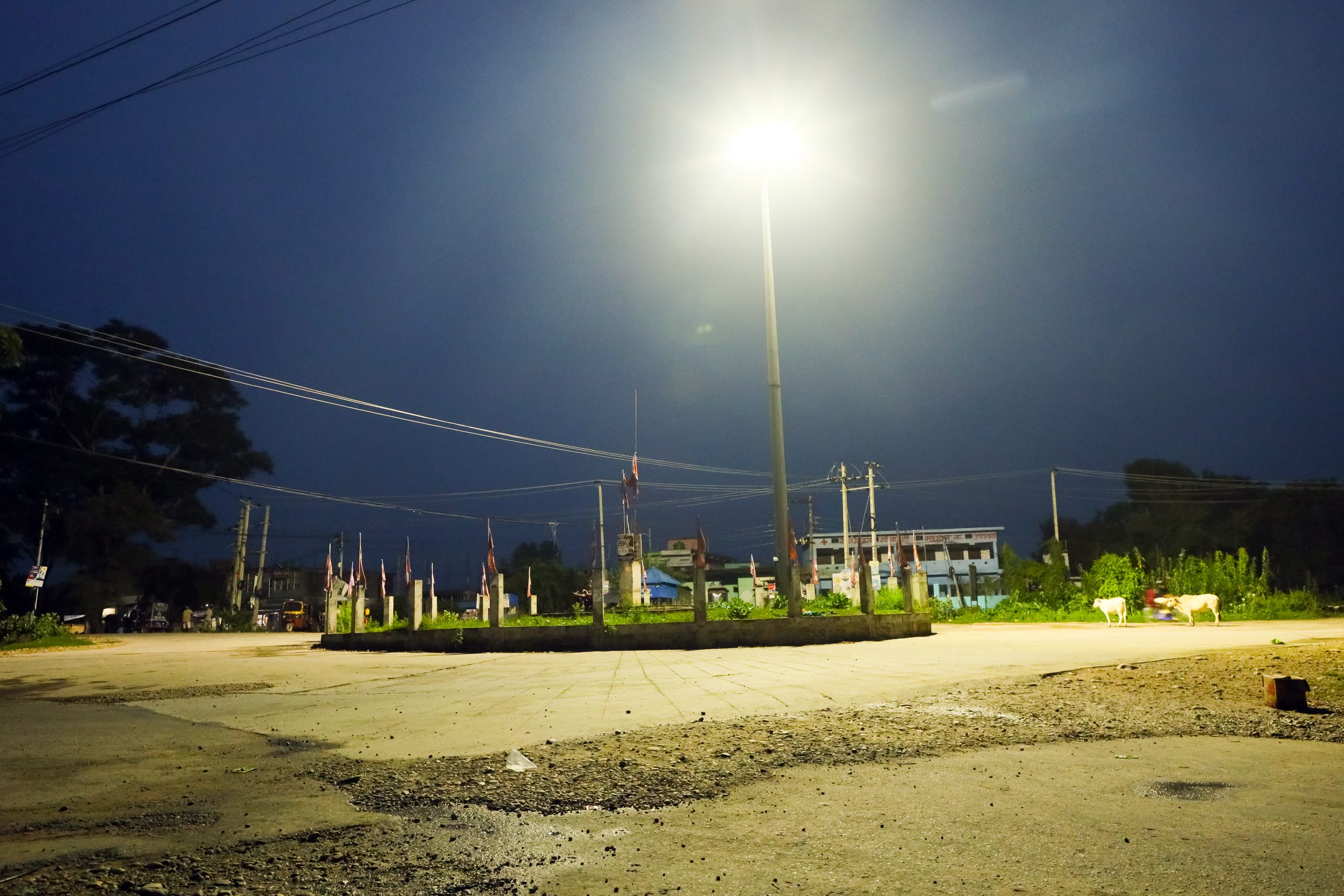
An emerging center of eco-tourism, culture, and transportation, Machad Chowk, located in Madhuwan Municipality of Bardiya District, is an extremely important and strategic crossroads from a geographic, commercial, and touristic point of view. Located in the buffer zone of Bardiya National Park and in the lap of Nepali Tharu culture, this chowk is not merely a crossroads but an area with great potential to become the economic and tourism backbone of western Bardiya. As an unparalleled meeting point of water, forest, wildlife, and native culture, this chowk area has many foundations on which it could be developed into a well-organized tourist destination.
Strategic Transportation Network
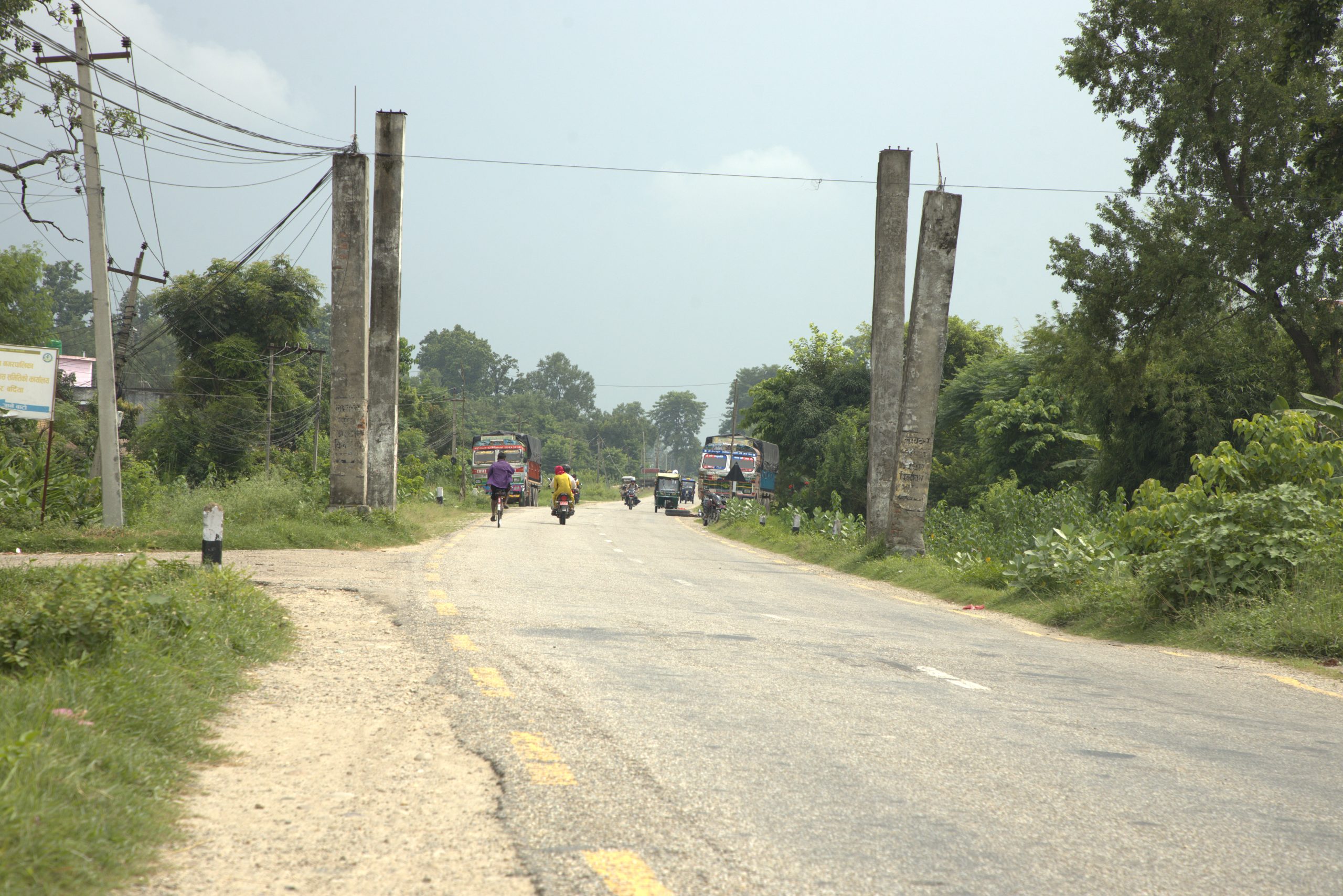
The greatest strength of Machad Chowk is its transportation access. Bardiya’s major tourist and administrative centers are connected from this chowk, making it a key transit point.
Bhurigaun Route (Northeast)
This road runs along the edge of Bardiya National Park and connects to Bhurigaun Chowk on the Mahendra Highway. It is the main entry point for tourists visiting the park.
Gulariya Route (Southeast)
This road leads to Gulariya Municipality, the district headquarters of Bardiya, providing administrative and commercial access.
Kothiyaghat Route (Northwest)
This road leads to Kothiyaghat Bridge (over the Geruwa River), one of the longest bridges in Nepal, and to the Rajapur area, which is famous for river tourism.
Key Foundations for Developing This Area for Tourism
Wildlife and Eco-Tourism
Because this area is connected to Bardiya National Park and its buffer zone, it is rich in biodiversity. Being close to areas frequented by native and migratory birds, Bengal tigers, one-horned rhinoceroses, and wild elephants, this chowk could serve as an excellent starting point for wildlife tourism.
Kothiyaghat and River Tourism
The Kothiyaghat and Geruwa River area, easily reached from Machad Chowk, offers opportunities to spot rare dolphins. River tourism activities such as rafting, boating, and fishing could be run here to attract both domestic and international tourists. Crowds of tourists gather here to eat fresh river fish dishes. The Madhuwan area is rich in the art, culture, and lifestyle of the native Tharu community.
Modern Plant Nurseries and Agri-Tourism Hub
One distinctive and new attraction at Machad Chowk is its well-equipped plant nurseries. For those interested in botany and agriculture, this place has become like an open museum, where the following can be observed:
Lawn to Fodder Grass Varieties
From fine lawn grass used to decorate gardens and parks to various improved varieties of fodder grass, all are available here.
Beautiful and Fragrant Flowers
Countless colorful, patterned flowers of both native and foreign varieties, along with indoor and outdoor plants, keep this area lush and attractive year-round. Grafted saplings of fast-fruiting, high-yield improved varieties of mango, litchi, lime, guava, and various other fruit trees are a key feature here. This area is very useful for students or farmers wishing to study agriculture.
Other Institutions
Various government and social institutions are active in the Machad Chowk area of Madhuwan. These currently include the Nepal Red Cross Society, dedicated to humanitarian service; an agricultural irrigation project considered important for agricultural production and development; and the reputable Shree Nepal Rashtriya Namuna Secondary School, which provides quality education at the local level. Local residents say that the presence of these institutions has led to a steadily growing daily flow of local citizens coming for services.
The Naming of Beluwa Chowk
Many years ago, no human footprint had ever fallen in the place where the settlement now stands. All around was only dense, silent forest. But that forest was somewhat different and special compared to other forests. Very few other tree species grew throughout the forest — wherever one looked, only bael (wood-apple) trees could be seen. According to the season, these trees would bear abundant clusters of yellow bael fruit. When the wind blew, the sweet fragrance of the ripe bael fruit would waft throughout the forest.
According to Baliram Tharu, people at that time were searching for a new place to settle. Wandering about, some people arrived at this forest filled entirely with bael trees. Enchanted by this beautiful gift of nature and the ease the forest offered, they said, “We must settle right here.” They then gradually cleared part of the forest and began to build their small world there. When people asked those who settled there in the early days, “Where do you live?” they would answer in their native language, “We live in the forest that grows bael-bael (bael fruit).” As time passed, because bael fruit grew abundantly and settlement began among the bael trees, the name of the place gradually became corrupted in the local Tharu language and dialect. Eventually, the name of this beautiful village, carrying the identity of “bael-bael,” permanently became “Beluwa.” Even today, the soil of Beluwa village carries within it this old history and identity.
Nature’s Unparalleled Gift: The Native Bael of Beluwa Village
At the head of Beluwa village lies a dense, unspoiled forest — a blessing of nature — located in the beautiful village of Beluwa in Madhuwan Municipality, Bardiya District. In its community and local forest, native bael fruit grows abundantly and naturally. Local residents of Beluwa village collect this precious natural herbal fruit of the Terai and, at nearby Orali Bazaar, now process it cleanly and in a modern way into juice (sherbet), packing it in attractive bottles for sale and distribution.
This is 100% fresh, organic bael fruit picked from Beluwa village’s natural forest. A proud domestic product, made through the skill, employment, and labor of local residents of Orali Bazaar, it is prepared with full attention to hygiene and packed in bottles that are easy to carry while traveling and to store at home. This natural remedy offers instant cooling relief in the intense heat of the Terai, helps prevent dehydration, and keeps the digestive system in excellent health — a genuine taste of nature, free of any artificial colors or chemicals that could harm health. Each bottle contains the gift of Beluwa village’s forest and the precious, ready-made taste and health package of Orali Bazaar.
माचड चोक, बेलुवा (मधुवन, बर्दिया):
पर्या-पर्यटन, संस्कृति र यातायातको एक उदीयमान (emerging) केन्द्र बर्दिया जिल्लाको मधुवन नगरपालिकामा पर्ने माचड चोक, भौगोलिक, व्यापारिक र पर्यटकीय दृष्टिकोणले अत्यन्तै महत्त्वपूर्ण र रणनीतिक चौबाटो हो। बर्दिया राष्ट्रिय निकुञ्जको मध्यवर्ती क्षेत्र र नेपाली थारु संस्कृतिको काखमा रहेको यो चोक केवल एउटा चौबाटो मात्र नभएर पश्चिम बर्दियाको आर्थिक र पर्यटकीय मेरुदण्ड बन्न सक्ने प्रचुर सम्भावना बोकेको क्षेत्र हो। जल, जंगल, वन्यजन्तु र रैथाने संस्कृतिको अनुपम सङ्गम रहेको यो चोक क्षेत्रलाई व्यवस्थित पर्यटकीय गन्तव्य बनाउन सकिने धेरै आधारहरु छन्।
रणनीतिक यातायात सञ्जाल
माचड चोकको सबैभन्दा ठूलो सबल पक्ष भनेको यसको यातायात पहुँच हो। यस चोकबाट बर्दियाका प्रमुख पर्यटकीय र प्रशासनिक केन्द्रहरू जोडिएका छन्, जसले गर्दा यो मुख्य ट्रान्जिट पोइन्ट बनेको छ।
भुरीगाउँ मार्ग (उत्तर-पूर्व): यो सडक बर्दिया राष्ट्रिय निकुञ्जको किनारा हुँदै महेन्द्र राजमार्गको भुरीगाउँ चोक सँग जोडिन्छ। निकुञ्ज भ्रमण गर्ने पर्यटकका लागि यो मुख्य प्रवेशद्वार हो।
गुलरिया मार्ग (दक्षिण-पूर्व): यो सडक बर्दिया जिल्लाको सदरमुकाम गुलरिया नगरपालिका तर्फ जान्छ, जसले प्रशासनिक र व्यापारिक सुगमता प्रदान गर्दछ।
कोठियाघाट मार्ग (पश्चिम-उत्तर): यस मार्गबाट नेपालकै लामो मध्यको एक कोठियाघाट पुल (गेरुवा नदी) र राजापुर क्षेत्र पुग्न सकिन्छ, जुन जल पर्यटनका लागि प्रसिद्ध छ।
पर्यटकीय क्षेत्र बनाउन सकिने मुख्य आधारहरू
वन्यजन्तु र पर्या-पर्यटन
यो क्षेत्र बर्दिया राष्ट्रिय निकुञ्ज र यसको मध्यवर्ती क्षेत्रसँग जोडिएको हुनाले यहाँ जैविक विविधता प्रचुर छ। रैथाने तथा बसाइँ सरेर आउने चराचुरुङ्गी, पाटेबाघ, एकसिंगे गैँडा र जंगली हात्तीको आवागमन हुने क्षेत्र नजिकै भएकाले ‘वाइल्डलाइफ टुरिजम’ का लागि यो चोक उत्कृष्ट प्रस्थान विन्दु (Starting Point) बन्न सक्छ।
कोठियाघाट र जल पर्यटन (River Tourism)
माचड चोकबाट सहजै पुग्न सकिने कोठियाघाट र गेरुवा नदी क्षेत्रमा दुर्लभ सोँस (डल्फिन) अवलोकन गर्न पाइन्छ। नदीमा र्याफ्टिङ, बोटिङ र फिसिङ (माछा मार्ने खेल) जस्ता जल पर्यटनका गतिविधिहरू सञ्चालन गरेर आन्तरिक तथा बाह्य पर्यटकलाई आकर्षित गर्न सकिन्छ। यहाँ नदीको ताजा माछाका परिकार खान पर्यटकको भिड लाग्ने गर्छ। मधुवन क्षेत्र रैथाने थारु समुदायको कला, संस्कृति र जीवनशैलीले धनी छ।
बोट बिरुवाको आधुनिक नर्सरी र कृषि पर्यटन (Agri-Tourism Hub)
माचड चोकको एउटा विशिष्ट र नयाँ आकर्षण भनेकै यहाँ सञ्चालित सुविधायुक्त बोट बिरुवाका नर्सरीहरू हुन्। वनस्पति र कृषिको क्षेत्रमा चासो राख्नेहरूका लागि यो ठाउँ एउटा खुल्ला सङ्ग्रहालय जस्तै बनेको छ, जहाँ निम्न कुराहरू अवलोकन गर्न सकिन्छ ।
साना घाँसदेखि चौरका प्रजातिहरू:
बगैँचा र पार्क सजाउन प्रयोग गरिने मसिना मखमली घाँस (Lawn Grass) देखि लिएर डालेघाँसका विभिन्न उन्नत प्रजातिहरू यहाँ उपलब्ध छन्।
सुन्दर र सुगन्धित फूलहरू:
रैथाने तथा विदेशी प्रजातिका अनेकौँ रङ्गीचङ्गी बुट्टेदार फूलहरू, इन्डोर (घरभित्र राख्ने) र आउटडोर प्लान्टहरूले यो क्षेत्रलाई सधैँ हरियाली र आकर्षक बनाइराख्छन्। फलफूलका कलमी बुटाहरू छिटो र धेरै फल दिने उन्नत जातका आँप, लिची, कागती, अम्बा, र अन्य विभिन्न फलफूलका कलमी बोटबिरुवाहरू यहाँको मुख्य विशेषता हो। कृषि अध्ययन गर्न चाहने विद्यार्थी वा कृषकका लागि यो क्षेत्र निकै उपयोगी छ।
अन्य संस्थाहरू
मधुवनको माचड चोक क्षेत्रमा विभिन्न सरकारी तथा सामाजिक संस्थाहरू क्रियाशील भएका छन्। यस क्षेत्रमा हाल मानवीय सेवामा समर्पित नेपाल रेडक्रस सोसाइटी, कृषि उत्पादन र विकासका लागि महत्वपूर्ण मानिने कृषि सिंचाइ आयोजना, तथा स्थानीय स्तरमा गुणस्तरीय शिक्षा प्रदान गर्दै आएको प्रतिष्ठित श्री नेपाल राष्ट्रिय नमुना माध्यमिक विद्यालय समेत रहेका छन्। यी संस्थाहरूको उपस्थितिले गर्दा यस क्षेत्रमा स्थानीय नागरिकहरूको चहलपहल र सेवा लिने क्रम दैनिक रूपमा बढ्दै गएको स्थानीय बासिन्दाहरू बताउँछन्।
बेलुवा चोकको नामाकरण
धेरै वर्ष पहिलेको कुरा हो, अहिले बस्ती बसेको त्यो ठाउँमा त्यतिबेला मानव पाइला कतै परेको थिएन। चारैतिर घना र सुनसान जङ्गल मात्र थियो। तर, त्यो जङ्गल अन्य जङ्गलहरू भन्दा अलि फरक र विशेष थियो। जङ्गलभरि अरू प्रजातिका रुखहरू निकै कम थिए, जहाँ हेर्यो त्यहाँ बेलका रुखहरू मात्रै देखिन्थे। मौसम अनुसार ती रुखहरूमा लटरम्म पहेँला बेलका फलहरू फल्ने गर्दथे। हावा चल्दा पाकेका बेलको मिठो बास्ना जङ्गलभरि मगमगाउँथ्यो।
बलिराम थारूका अनुसार, त्यो समयमा मानिसहरू बस्नका लागि नयाँ ठाउँको खोजीमा थिए। घुम्दै फिर्दै केही मानिसहरू त्यही बेलै-बेलले भरिएको जङ्गलमा आइपुगे। प्रकृतिको यो सुन्दर उपहार र जङ्गलको सहजता देखेपछि उनीहरू लोभिए। “हामी यहीँ बस्नुपर्छ,” उनीहरूले सल्लाह गरे। त्यसपछि उनीहरूले बिस्तारै जङ्गलको केही भाग फँडानी गरे र त्यहीँ आफ्नो सानो संसार बसाल्न थाले। सुरु-सुरुमा त्यहाँ बस्ने मानिसहरूलाई कसैले “तपाईंहरू कहाँ बस्नुहुन्छ?” भनेर सोध्दा उनीहरूले रैथाने भाषामा जवाफ दिन्थे, “हामी त्यही बेलै-बेल फल्ने जङ्गलमा बस्छौँ।” समय बित्दै गयो। बेल धेरै फल्ने र बेलकै रुखहरूमा बसोबास सुरु गरिएको हुनाले, स्थानीय थारू भाषा र लवज अनुसार बिस्तारै त्यो ठाउँको नाम अपभ्रंश हुँदै गयो। अन्ततः, बेलै-बेलको पहिचान बोकेको त्यो सुन्दर गाउँको नाम स्थायी रूपमा ‘बेलुवा’ रहन गयो। आज पनि बेलुवा गाउँको माटोले आफ्नो त्यो पुरानो इतिहास र पहिचानलाई आफैँ भित्र समेटेर राखेको छ।
प्रकृतिको अनुपम उपहार: बेलुवा गाउँको रैथाने बेल
बेल्लो गाउँको शिरमा रहेको घना र स्वच्छ जंगल, जहाँ प्रकृतिको वरदान स्वरूप बर्दिया जिल्लाको मधुवन नगरपालिकामा अवस्थित सुन्दर गाउँ बेलुवा । जहाँको सामुदायिक तथा स्थानीय जंगलमा प्राकृतिक रूपमै प्रचुर मात्रामा रैथाने बेलहरु फल्ने गर्छन्। तराईको यो अमूल्य प्राकृतिक जडीबुटीलाई बेलुवा गाउँका स्थानीय बासिन्दाहरूले संकलन गरी अहिले ओराली बजारमा स्वच्छ र आधुनिक तरिकाले जुस (सरबत) तयार पारेर आकर्षक बोतलमा प्याक गरी बिक्री वितरण गर्न थालेका छन्।
बेलुवा गाउँको प्राकृतिक जङ्गलबाट टिपिएका १००% ताजा र अर्गानिक बेलहरू। ओराली बजारका स्थानीय बासिन्दाहरूको सीप, रोजगार र श्रमबाट तयार पारिएको गौरवमय स्वदेशी उत्पादन पूर्ण रूपमा सरसफाइमा ध्यान दिएर यात्रामा लैजान र घरमा भण्डारण गर्न सजिलो हुने गरी बोतलमा प्याक गरिएको। तराईको अत्यधिक गर्मीमा शरीरलाई तत्काल शीतलता दिने, डिहाइड्रेशन (जलवियोजन) बाट बचाउने र पाचन प्रणालीलाई एकदमै तन्दुरुस्त राख्ने प्राकृतिक ओखति स्वास्थ्यलाई हानी गर्ने कुनै पनि कृत्रिम रङ वा केमिकल नहालिएको प्रकृतिको वास्तविक स्वाद। बेलुवो गाउँको जङ्गलको उपहार, ओराली बजारको अमूल्य तयार स्वाद र स्वास्थ्यको प्याकेज, प्रत्येक बोतलमा पाइन्छ ।