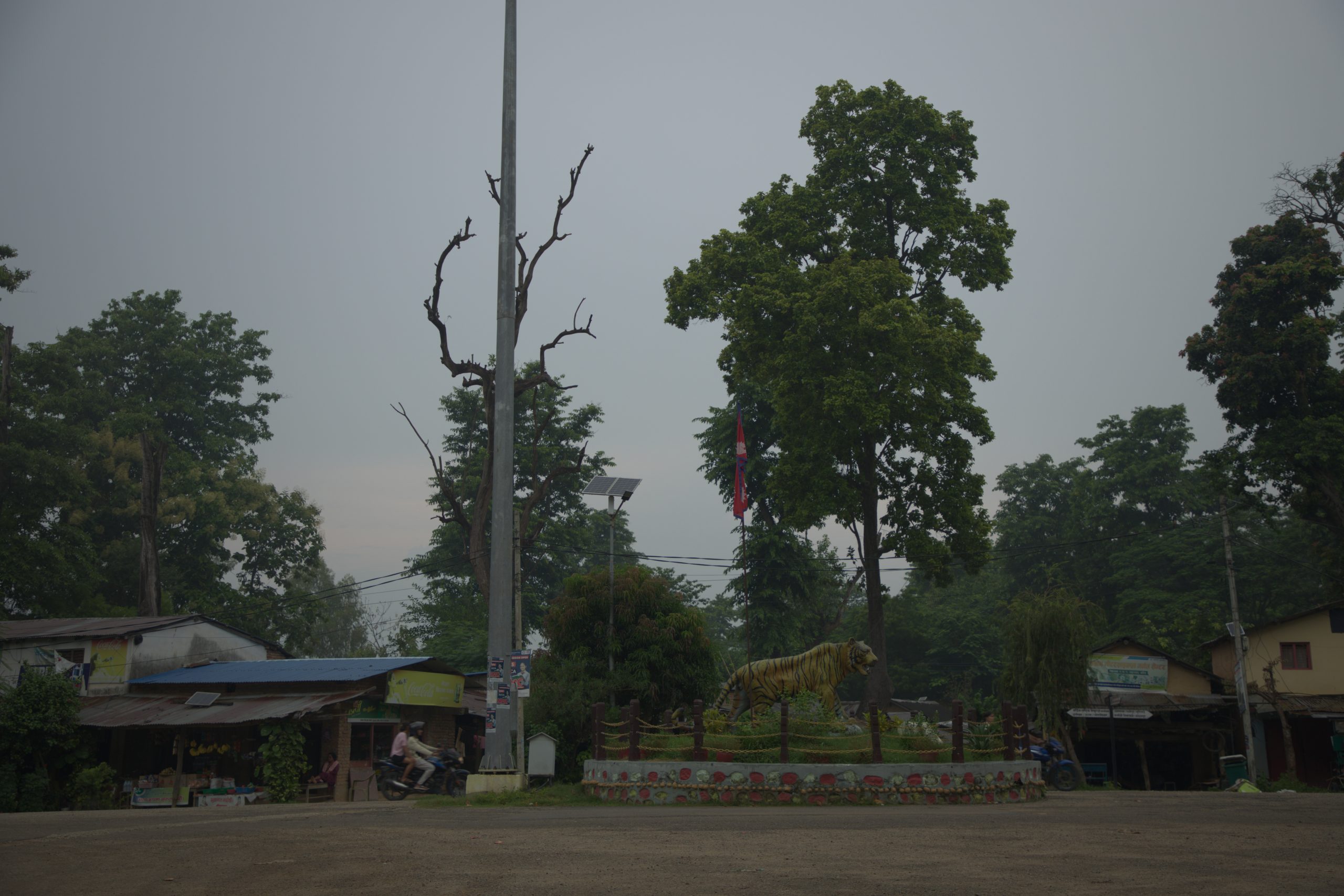
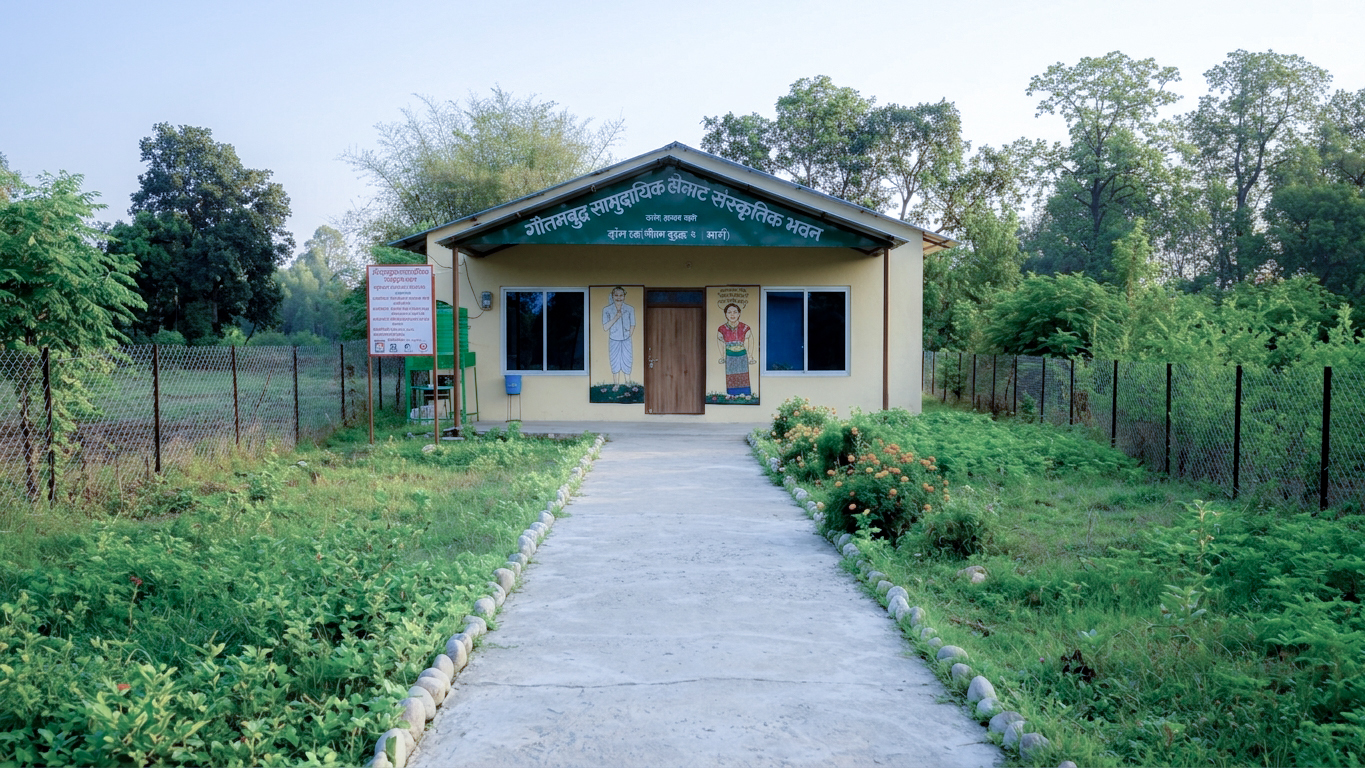
Now part of Ward No. 3 of Thakurbaba Municipality, this area previously fell under the former Bagnaha Village Development Committee (VDC). Later, under the country’s new federal structure, the former VDCs of Bagnaha, Neulapur, Shivapur, and Thakurdwara were merged to form Thakurbaba Municipality.
Geographic Location
This market area lies close to the famous Bardiya National Park. Since the park surrounds Thakurbaba Municipality on the east, west, and north, the natural environment here is remarkably peaceful and scenic.
Local Life and Activity
This area is home to a harmonious mix of the Tharu community and various other ethnic groups. The main occupations of local residents are agriculture and trade. Due to its proximity to Bardiya National Park, this area also holds good potential and growing activity in the tourism business.
Weekly Market and Its Features
A special weekly market (haat bazaar) is held in Bagnaha Bazaar every Thursday. Local farmers bring fully organic, fresh vegetables and fruits grown in their own fields to sell at this market. In addition, the market offers popular native goods, handicraft items, wooden “dokni” (traditional grinding vessels used for chutney), traditional pots for grinding chutney, “dilya” (containers for keeping fresh fish), and daily necessities at affordable prices, drawing large crowds on Thursdays.
Available Facilities
This market area has all the basic facilities needed for daily life, including local shops, hotels and restaurants, telecom services (Ncell/NTC), and the ward office of Thakurbaba Municipality Ward No. 3, along with other basic government and private services.
The Patwedi Peepal Tree and the History of Its Temple
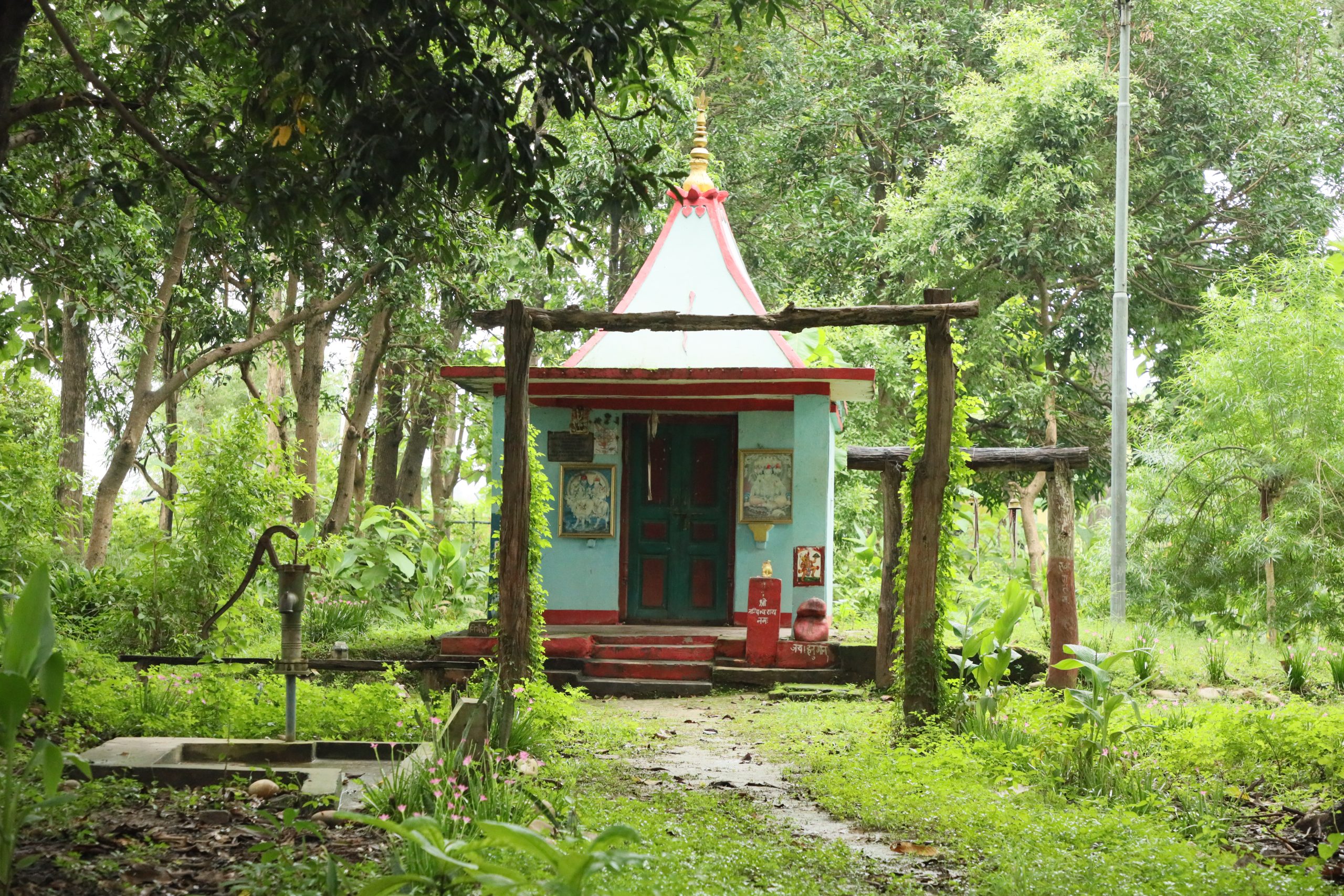
Local elders estimate that the peepal tree at Patwedi is more than a century (100 years) old. According to them, this tree has looked the same from their childhood to the present day. In Tharu language and local culture, there is a tradition of worshipping nature. “Patwedi” (leaf and altar) refers to a sacred site or altar naturally surrounded by leaves, where worship of a deity is performed. There is a longstanding belief that worshipping at a shrine or temple built at the base of old trees protects the village from floods, epidemics, and crises through divine power. At one time, stone deities were worshipped beneath this peepal tree, and later a temple was built beside the same tree for these deities.
For a long time, this tree and temple have bound the local community together in a shared social and religious thread. Various worship ceremonies, festivals (such as Maghi and Ashtimki), and meetings in the village are usually held in the shade of this old resting place and temple.
The Story of Wild Elephants and the Peepal Tree
According to local elders, wild elephants from the nearby forest (which connects to Shuklaphanta National Park and the surrounding biological corridor) used to come at midnight to this historic peepal tree at the temple. Old stories are still told of how elders witnessed with their own eyes, as an extraordinary or supernatural occurrence, the elephants bowing at the base of the peepal tree or circling around it. Normally, when wild elephants enter a village, there is fear that they will destroy crops or cause damage to life and property. However, the behavior of the elephants that came to the Patwedi shrine was entirely different and calm. Without causing any damage to the village’s crops, the elephants would walk straight along the path to the site of the peepal tree. After worshipping or circling the tree, they would peacefully return to the forest along the same path they came.
Cultural Ties and Unwavering Belief
From the elders of Mircheya village to the youth and even young children, everyone holds deep faith in the deity of Patal Devi. There is also a strong religious warning, or fear, associated with this tree in local society. It is believed that if anyone, by mistake or intentionally, cuts even a small branch of this peepal tree, the deity Patal Devi will become angry. Villagers claim to have themselves experienced and witnessed in the past that if the deity becomes angry, an epidemic, famine, or other terrible calamity would strike the village, bringing suffering and hardship.
Religious Faith
Local residents regard the fact that even wild animals come to the temple and the peepal tree in this way as direct proof of divine power and the temple’s sanctity. Because of its proximity to the forest, the ancient movement of elephants and their connection to the temple continue to be recalled with pride to this day.
The Kohiyar Line and the History of Natural Resource Extraction
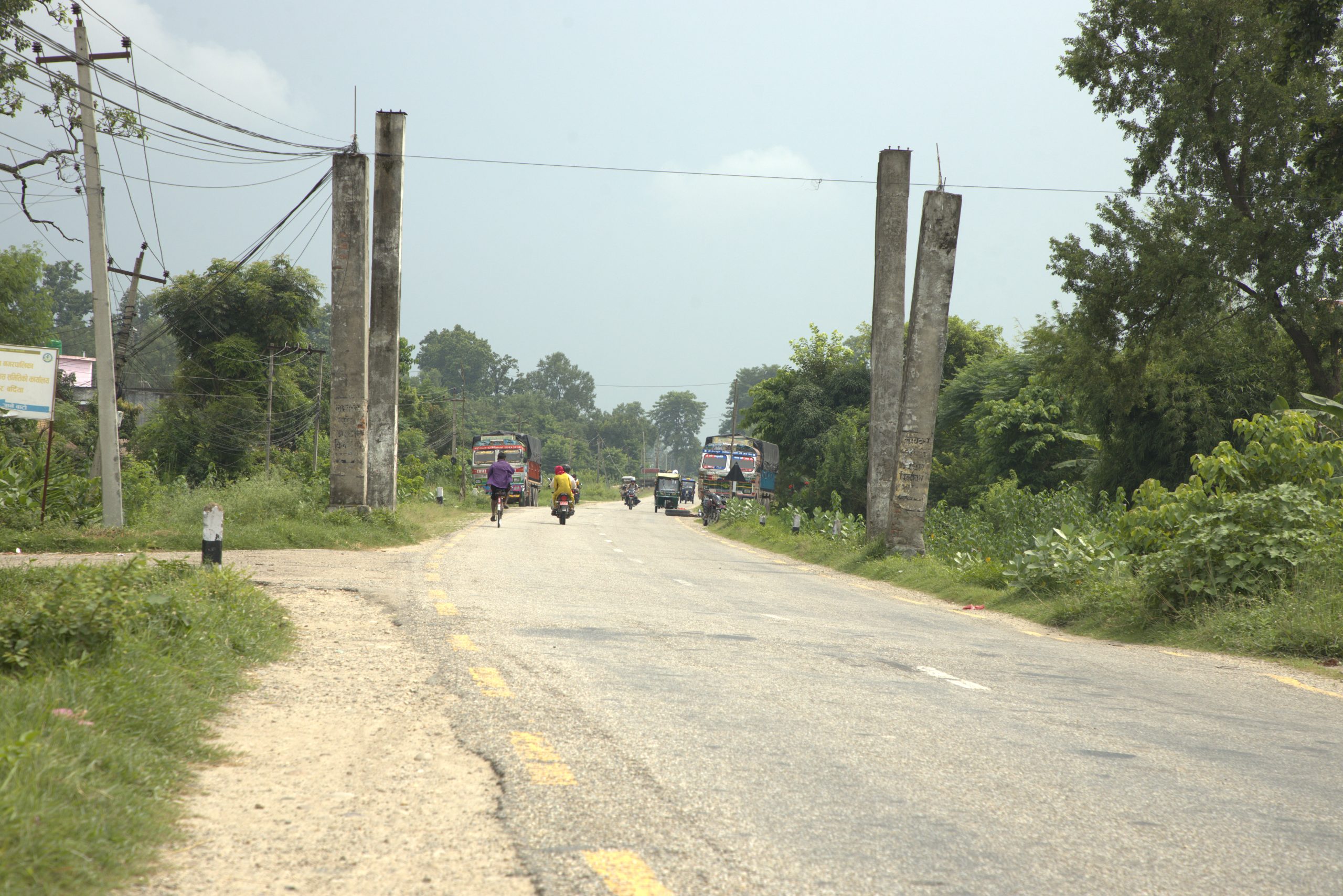
In Bardiya District, known as one of Nepal’s newer regions, a railway once ran from Danuwatal through what are now Wards 2, 3, and 5 of Thakurbaba Municipality and Wards 2 and 4 of Madhuwan Municipality, all the way to Bahraich Nishangada in India, historically operated by the then East India Company (the British) for the purpose of transporting sal timber and coal. As a symbolic reminder of this history, a railway carriage has been placed on the road in Neulapur village, Thakurbaba Municipality Ward 3, where the old railway track once ran, with the expectation of also boosting domestic tourism.
Arrival in Nepal
In 1923, during the Rana regime, British forest expert J.V. Collier came to Nepal as an advisor to the Department of Forests. He planned to clear forest along Bardiya’s Hulaki road for the construction of a railway line into India. He built a roughly 35-kilometer-long “railway route” through Madhuwan, Machad, Neulapur, and Ranipur up to Khairbhatti. The route on which this railway once ran is still locally known today as the “Collier Line.” Collier felled large sal and khair trees in this region and exported them to India.
For the construction of the railway and roads, he also excavated “Danabtal” and its surrounding area, extracting gravel, soil, and sand, which were also taken to India. Today, this place serves tourists as an open museum for observing nature and for forest and wildlife conservation. Bardiya is not just about wildlife and Tharu culture — it embodies a living history stretching from the past exploitation of nature (the Kohiyar Line) to the present day. The people of Bardiya are not destroyers of the forest; rather, for centuries, they have been the true guardians of this historical heritage and of Bardiya’s environment.
References
Firu Tharu: Chairperson of the Association of Tharu Guruwas, Thakurbaba Municipality.
Ghananarayan Shrestha: former mayor, Thakurbaba Municipality.
बगनाह बजार
हाल ठाकुरबाबा नगरपालिका वडा नं. ३ मा पर्ने, यो क्षेत्र पहिले साविकको बगनाह गाउँ विकास समिति (VDC) अन्तर्गत पर्दथ्यो। पछि राज्यको नयाँ संघीय संरचना अनुसार साविकका बगनाह, नेउलापुर, शिवपुर र ठाकुरद्वारा गाउँ विकास समितिहरूलाई समेटेर ठाकुरबाबा नगरपालिकाको स्थापना गरिएको हो।
भौगोलिक अवस्थिति:
यो बजार क्षेत्र प्रसिद्ध बर्दिया राष्ट्रिय निकुञ्जको नजिकै पर्दछ। ठाकुरबाबा नगरपालिकाको पूर्व, पश्चिम र उत्तर तीनै तर्फ राष्ट्रिय निकुञ्जले घेरिएकाले यहाँको प्राकृतिक वातावरण निकै शान्त र रमणीय छ।
स्थानीय जनजीवन र चहलपहल:
यस क्षेत्रमा मुख्यतया थारु समुदायका साथै अन्य विभिन्न जातजातिको सद्भावपूर्ण बसोबास रहेको छ। यहाँका स्थानीय बासिन्दाहरूको मुख्य पेसा कृषि र व्यापार हो। बर्दिया राष्ट्रिय निकुञ्जको सामीप्यताका कारण यस क्षेत्रमा पर्यटन व्यवसायको समेत राम्रो सम्भावना र चहलपहल रहँदै आएको छ।
साप्ताहिक हाटबजार र विशेषता:
यस बगनाह बजारमा प्रत्येक हप्ताको बिहीबार विशेष हाटबजार लाग्ने गर्दछ। उक्त हाटबजारमा स्थानीय कृषकहरूले आफ्नै खेतबारीमा उब्जाएका पूर्ण रूपमा प्राङ्गारिक (अर्गानिक) ताजा तरकारीहरू तथा फलफूलहरू बिक्रीका लागि राख्ने गर्दछन्। यसका साथै बजारमा रैथाने लोकप्रिय सामानहरु हस्तकलाका सामग्री काठको दोक्नी (Dokni) चटनी पिस्ने परम्परागत भाँडो, ताजा माछा राख्ने दिल्या र दैनिक उपभोग्य वस्तुहरू सहजै र किफायती मूल्यमा पाइने हुनाले बिहीबारका दिन यहाँ निकै ठूलो घुइँचो लाग्ने गर्दछ |
उपलब्ध सुविधाहरू:
यो बजार क्षेत्र आसपासमा दैनिक जीवनका लागि आवश्यक स्थानीय पसलहरू, होटल तथा रेस्टुरेन्टहरू, सञ्चार सुविधा (Ncell/Ntc) र ठाकुरबाबा नगरपालिका वडा नं. ३ को वडा कार्यालय जस्ता आधारभूत सरकारी तथा निजी सुविधाहरू पूर्ण रूपमा उपलब्ध छन्।
भौगोलिक अवस्थिति:
यो बजार क्षेत्र प्रसिद्ध बर्दिया राष्ट्रिय निकुञ्जको नजिकै पर्दछ। ठाकुरबाबा नगरपालिकाको पूर्व, पश्चिम र उत्तर तीनै तर्फ राष्ट्रिय निकुञ्जले घेरिएकाले यहाँको प्राकृतिक वातावरण निकै शान्त र रमणीय छ।
स्थानीय जनजीवन र चहलपहल:
यस क्षेत्रमा मुख्यतया थारु समुदायका साथै अन्य विभिन्न जातजातिको सद्भावपूर्ण बसोबास रहेको छ। यहाँका स्थानीय बासिन्दाहरूको मुख्य पेसा कृषि र व्यापार हो। बर्दिया राष्ट्रिय निकुञ्जको सामिप्यताका कारण यस क्षेत्रमा पर्यटन व्यवसायको समेत राम्रो सम्भावना र चहलपहल रहँदै आएको छ।
पातवेदी पीपलको रुख र मन्दिरको इतिहास
पातवेदी स्थित पिपलको रूख एक शताब्दी (१०० वर्ष) भन्दा पनि पुरानो भएको अनुमान स्थानीय बुढापाकाहरू गर्छन्। उनीहरूका अनुसार यो रूख सानैदेखि अहिलेसम्म जस्ताको तस्तै देखिँदै आएको छ।” थारु भाषा र स्थानीय संस्कृतिमा प्रकृतिको पूजा गर्ने परम्परा छ। “पातवेदी” (पात र वेदी) ले प्राकृतिक रूपमा पातहरूले घेरिएको वा भगवानको पूजा गरिने पवित्र स्थल वा वेदीलाई बुझाउँछ। पुराना रुखहरूका फेदमा थान वा मन्दिर बनाएर पूजाआजा गर्दा दैवी शक्तिले गाउँलाई बाढी, महामारी र संकटबाट बचाउने जनविश्वास रहिआएको छ। कुनै समय, यस पिपलको रुख मुनि पनि ढुंगाका देवी देवताहरु पुज्ने गरिन्थ्यो र पछि त्यही देवी देवताका लागी येही रुख छेउमा एउटा मन्दिर निर्माण गरियो ।
यो रुख र मन्दिरले निकै लामो समयदेखि स्थानीय समुदायलाई एउटै सामाजिक र धार्मिक सूत्रमा बाँधेर राखेको छ। गाउँमा हुने विभिन्न पूजाआजा, चाडपर्व (जस्तै माघी, अष्टिम्की) र बैठकहरू प्रायः यस्तै पुराना चौतारी र मन्दिरको छहारीमा बस्ने गर्दछन्।
जङ्गली हात्ती र पीपलको बोटको कथन:
स्थानीय बुढापाका तथा बाजेहरूका अनुसार, नजिकैको जङ्गल (जुन शुक्लाफाँट राष्ट्रिय निकुञ्ज र वरपरको जैविक मार्गसँग जोडिएको छ) बाट मध्यरातमा जङ्गली हात्तीहरू मन्दिरको यो ऐतिहासिक पीपलको बोटमा आउने गर्दथे। उनीहरू त्यहाँ आएर पीपलको फेदमा ढोग्ने वा परिक्रमा गर्ने गरेको कुरा स्थानीय बूढापाकाहरूले आफ्नै आँखाले (अलौकिक वा अचम्मको रूपमा) देखेको पुराना कथाहरू अझै सुन्न पाइन्छ।सामान्यतया जंगली हात्तीहरू गाउँ पस्दा बालीनाली नष्ट गर्ने वा धनजनको क्षति गर्ने डर हुन्छ। तर, पातलदेवी थानमा आउने हात्तीहरूको व्यवहार भने बिल्कुलै फरक र शान्त हुने गर्थ्यो। हात्तीहरू गाउँको खेतीपातीमा कुनै पनि किसिमको नोक्सान नपुर्याई सोझै गोरेटो बाटो हुँदै पिपलको रुख भएको ठाउँमा पुग्दथे। पूजा वा परिक्रमा सकिएपछि हात्तीहरू आएकै बाटो भएर शान्तपूर्वक पुनः जंगलतर्फ फर्कने गर्दथे।
सांस्कृतिक कडी र अटुट जनविश्वास
मिर्चेया गाउँका वृद्धवृद्धा, युवादेखि साना बालबालिकासम्म सबैमा पातलदेवी देउताप्रति अगाध आस्था छ। स्थानीय समाजमा यो रुखलाई लिएर एउटा कडा धार्मिक चेतावनी वा डर पनि व्याप्त छ। यदि कसैले भूलवश वा नियतवश यस पिपलको रुखको एउटा सानो हाँगा मात्र पनि काट्यो भने पातलदेवी देउता रिसाउने जनविश्वास छ। देउता रिसाएमा गाउँमा महामारी, अनिकाल वा कुनै नराम्रो दैवी विपत्ति आइलाग्ने र दुःख-कष्ट भोग्नुपर्ने कुरा गाउँलेले विगतमा आफैंले भोगेको र महसुस गरेको दाबी गर्छन्।
धार्मिक आस्था:
स्थानीय बासिन्दाहरू जङ्गली जनावर समेत यसरी मन्दिर र पीपलको बोटमा आउनुलाई दैवी शक्ति र मन्दिरको पवित्रताको प्रत्यक्ष प्रमाणका रूपमा लिने गर्दछन्। जङ्गलको नजिक भएकाले प्राचीन समयमा हात्तीहरूको आउजाउ र मन्दिरप्रतिको यो सम्बन्धलाई अहिले पनि गौरवका साथ स्मरण गरिन्छ।
कोहियार लाइन र प्राकृतिक दोहन सन्दर्भ
नेपालको नयाँ मुलुक भनेर चिनिने बर्दिया जिल्लाको दानुवाताल हुँदै हालका ठाकुरबाबा नगरपालिका वडा नम्बर २, ३ र ५ अनि हालका मधुवन नगरपालिका वडा नम्बर २ र ४ भएर भारतको बहराइच निसानगाडासम्म सालका काठ र कोईला ढुवानि गर्ने उदेश्यले तत्कालिन इस्ट इन्डिया (अंग्रेज) कम्पनिले रेल सन्चालन गरेको इतिहास भएकाले सांकेतिक नमुनाका रुपमा ठाकुरबाबा नगरपालिका ३ नेउलापुर गाउँका पहिले रेल्वे ट्रयाक रहेको सडकमा रेलको डिब्बा राखेसँगै आन्तरिक पर्यटन प्रवर्द्धनका समेत टेवा पुग्ने अपेक्षा गरिएको छ।
नेपाल आगमन:
सन् १९२३ मा राणा शासनको समयमा बेलायती वन विशेषज्ञ जे. भी. कोलियर नेपालको वन विभागको सल्लाहकार बनेर आएका थिए। उनले भारतमा रेलवे मार्ग निर्माणका लागि बर्दियाको हुलाकी सडक र वन फँडानी गर्ने योजना बनाएका थिए। उनले मधेवन , मचङ, नेउलापुर, रानीपुर हुँदै खयरभट्टीसम्म करिब ३५ किलोमिटर लामो ‘रेलवे मार्ग’ बनाएका थिए। उक्त रेलवे मार्ग गुड्ने बाटोलाई आज पनि स्थानीय रूपमा ‘कोलियर लाइन’ भनिन्छ। कोलियरले सो क्षेत्रका ठूला-ठूला साल र खयरका रुखहरू काटेर भारत निकासी गरेका थिए।
उनले रेलवे र सडक निर्माणका लागि ‘दानवताल’ र त्यसको आसपासको क्षेत्र उत्खनन गरी गिटी, माटो, ग्राभेल र बालुवा समेत भारत लगेका थिए। यो ठाउँ पर्यटकका लागि प्रकृति नियाल्ने र वन वन्यजन्तु संरक्षणको खुला सङ्ग्रहालय हो। बर्दिया केवल वन्यजन्तु र थारू संस्कृति मात्र होइन, यी त विगतमा प्रकृतिको दोहन (कोहियार लाइन) र वर्तमान सम्मको जीवन्त इतिहास हो। बर्दियाका मानिसहरू जङ्गलको विनाशक होइनन्, उनीहरू त सदियौँदेखि मानव र प्रकृतिको ऐतिहासिक सम्पदा र बर्दियाको पर्यावरण जोगाउने सच्चा रक्षक हुन् |
सन्दर्भहरु :
फिरु थारु: थारु गुरुवा हरुकोअधक्ष्य, ठाकुरबाबा नगरपालिका
घननारायण श्रेष्ठ: पूर्व मेयर, ठाकुरबाबा नगरपालिका