According to the temple’s chief priest (Mahant), other priests, and elders of the local Tharu community, many years ago people lived in Betahani village in Thakurbaba Municipality. While plowing his field, a farmer from that village uncovered part of a statue buried in the ground. Mistaking it for an ordinary stone, the farmer struck it while sharpening his sickle for cutting grass, at which point the statue began to bleed on its own.
News of this supernatural power and miracle spread throughout the village. The villagers then gathered and dug at the site, uncovering a magnificent statue of Lord Vishnu, artistically carved in stone, dating from the Lichhavi period.
Among the Tharu people, there is a long-standing tradition of worshipping Lord Vishnu as “Thakur.” Since the image of Lord Vishnu was clearly visible on the statue, the villagers initially named it “Thakurdwar.” Some time after the statue was discovered, the name of Lord Thakurdwar gradually came to be applied to the entire area, which became known and permanently established as “Thakurdwara.”
After the statue was found, the villagers together decided to place it in a safe and sacred location. They made countless attempts to move the statue elsewhere, but no one was able to lift it. They then used a traditional Tharu cart called a “lariya,” made of wood and bankas (a type of thatch grass), to try to move the statue.
At first, a male buffalo was used to pull the lariya. But surprisingly, as soon as the statue was placed on the lariya, the buffalo could not pull it, and the cart itself broke. The villagers understood this as a sign that “Thakurji was unwilling to travel on a cart drawn by a buffalo.” They then placed the statue on a lariya drawn by oxen instead. This time, the ox cart moved forward easily and stopped at the very place where the temple now stands. The statue was installed there, and a grand temple was built.
The Main Temple
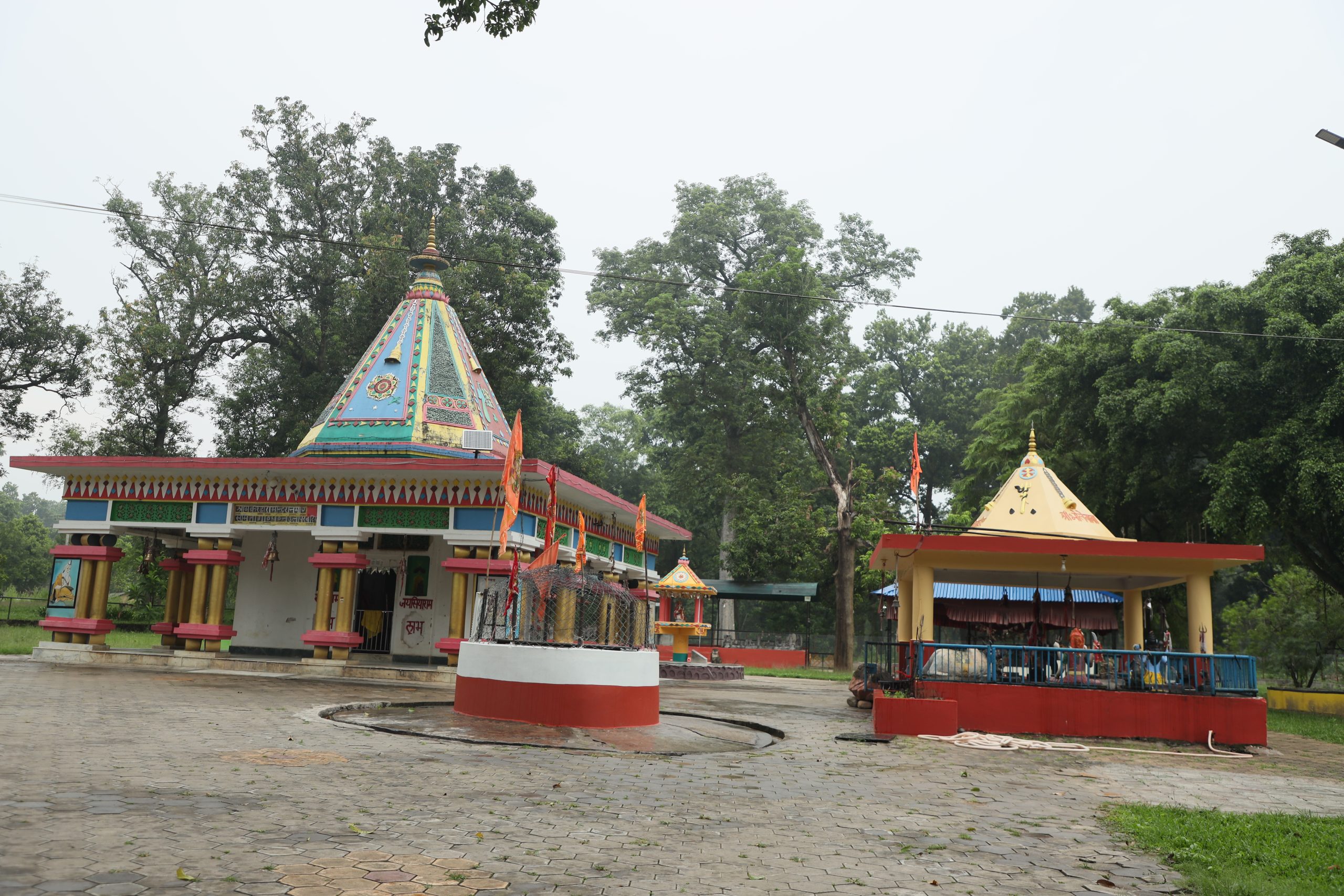
The main temple stands at the very center of the temple complex. The historic Lichhavi-era statue of Vishnu, unearthed from the ground, is installed within this inner sanctum and is worshipped as the principal deity. Near the entrance to the main Vishnu temple, to the right, is the shrine of Lord Ganesh. According to Hindu tradition, Ganesh is worshipped first, so devotees bow their heads here before visiting Thakurdwar.
Directly in front of the main temple, or toward the southeastern corner of the complex, stands a statue of Hanuman. As a supreme devotee of Lord Vishnu, Hanuman is installed here as Thakurdwar’s protector and guardian.
Along the inner circumambulation path of the main temple and on either side of the inner sanctum, statues and images of the goddesses Lakshmi and Saraswati are displayed. Lakshmi, the goddess of wealth, and Saraswati, the goddess of knowledge, are always present alongside Lord Vishnu.
At the outer exit point of the temple complex, in the northwest corner, stands an ancient well. In earlier days, the water from this sacred well was used for worshipping Thakurdwar, offering water, and quenching the thirst of devotees who traveled from afar; it is still preserved today.
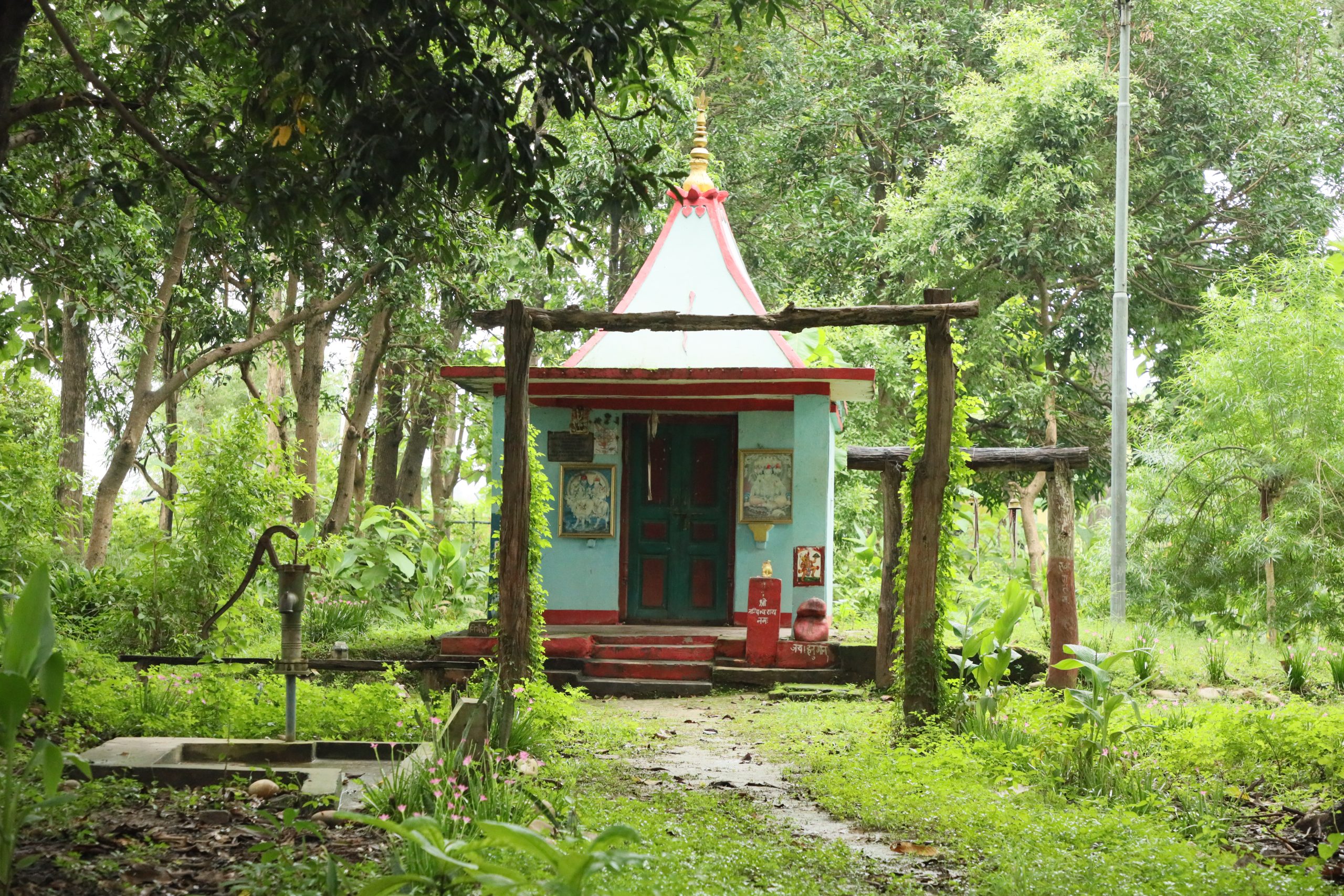
Behind the main temple and in nearby small shrines are a Shiva lingam, a small form of Sankatamochan Budhanilkantha, and shrines to other native deities.
Historical and Legendary Details
Historically, this temple is considered quite ancient. Although the Department of Archaeology has not clearly confirmed exactly how old it is, the external form and artistic craftsmanship of this stone statue suggest it dates from the Lichhavi period. According to local advocate Vidya Prasad Khanal, the statue at Thakurdwar Temple is likely not merely 100 years old, but is at least 300 and possibly up to 1,200–1,300 years old. In ancient times, people would pray and call upon Thakurdwar to protect the forests and villages of this region from wild animal attacks and divine calamities.
Daily Worship
Regular worship is performed daily at the temple according to traditional rituals. The Tharu priests (Mahants) perform special morning and evening aarti and offerings here. In particular, couples without children come here to pray for the blessing of offspring. Every year on Maghe Sankranti, a large fair (the Maghi festival) is held here, drawing thousands of devotees who bathe in the Khauraha River and visit the Thakurdwar Temple.
Current Outlook and Dimensions of Development
Under the guiding vision and slogan “Prosperous Thakurdwar: Empowered Citizens,” the local government is currently pursuing comprehensive and sustainable development in this area. By linking the distinctive religious prestige of Thakurdwar Temple with the eco-tourism potential of Bardiya National Park, the local authorities have placed special emphasis on agriculture, environmentally friendly tourism, and the establishment of modern resorts. Through the collective efforts of the local government, the community, and stakeholders, this area is being developed into one of Nepal’s finest, safest, and best-managed religious and tourist destinations.
महान्त, पुजारी र स्थानीय थारु समुदायका अग्रजहरूले बताए अनुसार, धेरै वर्ष पहिले ठाकुरद्वाराको बेतहनी गाउँमा मानिसहरूको बसोबास थियो। सोही गाउँका एकजना किसानले खेत जोत्ने क्रममा जमिनमुनिबाट एउटा मूर्तिको केही भाग बाहिर निस्कियो। उक्त मूर्तिलाई सामान्य ढुङ्गा ठानेर ती किसानले घाँस काट्नका लागि आफ्नो हँसिया धारिलो होस् भनी त्यही ढुङ्गामा हुल्दा (घोट्दा) उक्त मूर्तिबाट आफैँ रगत बग्न थाल्यो।
यस्तो अलौकिक शक्ति र चमत्कार देखेपछि गाउँभरि हल्ला खल्ला भयो। त्यसपछि गाउँलेहरू भेला भएर उक्त स्थानमा खनेर हेर्दा लिच्छविकालीन अवस्थामा ढुङ्गामा कलात्मक रूपले कुँदिएको भगवान विष्णुको भव्य मूर्ति फेला पर्यो।
थारु जातिमा परापूर्वकालदेखि नै भगवान विष्णुलाई ‘ठाकुर’ भनेर पुज्ने परम्परा रहिआएको छ। उक्त मूर्तिमा भगवान विष्णुको चित्र (स्वरूप) स्पष्ट देखिएकाले गाउँलेहरूले सुरुमा यसलाई ‘ठाकुरबाबा’ भनी नामकरण गरे। यसरी मूर्ति भेटिएको केही समयपछि, भगवान ठाकुरबाबाको नामबाट बिस्तारै-बिस्तारै उक्त सिङ्गो ठाउँकै नाम ‘ठाकुरद्वारा’ का रूपमा प्रख्यात हुँदै गयो र स्थायी रूपमा ठाकुरद्वारा रहन पुग्यो।
मूर्ति फेला परेपछि सबै गाउँलेहरू मिलेर यसलाई एक सुरक्षित र पवित्र स्थानमा राख्ने निधो गरे। उनीहरूले मूर्तिलाई अर्को ठाउँमा सार्न लाखौँ कोसिस गरे तर कसैले पनि बोक्न सकेनन्। त्यसपछि मूर्ति ओसार्नका लागि काठ र बनकस (एक प्रकारको खर/घाँस) ले बनेको ‘लर्हिया (परम्परागत थारु जतिको गाडी ) को सहायता लिइयो।
सुरुमा उक्त लरियालाई राँगा (भैँसीको भाले) ले तानेका थिए। तर अचम्मको कुरा, मूर्ति लरियामा राख्ने बित्तिकै राँगाले तान्न नसकी लरिया नै भाँचियो। गाउँलेहरूले ‘ठाकुरजी राँगाले चलाएको गाडीमा जान मानेनन्’ भन्ने बुझे। त्यसपछि उनीहरूले गोरुले हाँक्ने लर्हिया मा उक्त मूर्ति राखे। यस पटक गोरुगाडा सजिलै अघि बढ्यो र वर्तमान मन्दिर भएको स्थानमा पुगेर रोकियो। सोही ठाउँमा मूर्ति स्थापना गरी भव्य मन्दिर निर्माण गरियो ।
मुख्य मन्दिर : मन्दिर परिसरको ठीक केन्द्र (बिच) भागमा मुख्य मन्दिर रहेको छ। जमिनमुनिबाट निस्किएको ऐतिहासिक लिच्छविकालीन विष्णुको मूर्ति यही गर्भगृहभित्र स्थापना गरिएको छ। यिनैलाई मुख्य देवताका रूपमा पूजा गरिन्छ। मुख्य विष्णु मन्दिरको प्रवेशद्वारको नजिकै दायाँतर्फ गणेशजीको स्थान रहेको छ। हिन्दू परम्पराअनुसार सर्वप्रथम गणेशको पूजा गरिने हुनाले ठाकुरबाबाको दर्शन गर्नुअघि भक्तजनहरूले यहाँ शीश नवाउँछन्।
मुख्य मन्दिरको ठीक अगाडि (सम्मुख) वा परिसरको दक्षिण-पूर्वी कोणतर्फ हनुमानको मूर्ति रहेको छ। भगवान विष्णुका परम भक्त भएकाले हनुमानजीलाई ठाकुरबाबाको रक्षक र पहरेदारका रूपमा स्थापना गरिएको हो।
मुख्य मन्दिरको भित्री प्रदक्षिणा पथ (वरिपरि घुम्ने बाटो) तथा गर्भगृहकै दायाँ-बायाँ खण्डमा माता लक्ष्मी र सरस्वतीका मूर्ति तथा चित्रहरू सजाइएका छन्। विष्णु भगवानको साथमा धनकी देवी लक्ष्मी र ज्ञानकी देवी सरस्वती सधैँ विराजमान रहन्छन्।
मन्दिर परिसरको बाहिरी प्रस्थान विन्दु वा पश्चिम-उत्तर कुनातर्फ एउटा प्राचीन कुवा रहेको छ। पुराना दिनहरूमा ठाकुरबाबाको पूजा-आजा गर्न, जल चढाउन र टाढाबाट आउने भक्तजनहरूको प्यास मेटाउन यही पवित्र कुवाको पानी प्रयोग गरिन्थ्यो, जसलाई अहिले पनि संरक्षण गरिएको छ।
मुख्य मन्दिरको पछाडिपट्टि र वरपरका साना सत्तलहरूमा भगवान शिवको लिङ्ग, संकटमोचन बुढानीलकण्ठको सानो स्वरूप र अन्य रैथाने देवीहरूका थानहरू रहेका छन्।
•ऐतिहासिक तथा पौराणिक विवरण
ऐतिहासिक रूपमा यो मन्दिर निकै प्राचीन मानिन्छ। पुरातत्व विभागबाट यो कति प्राचीन हो भन्ने स्पष्ट पुष्टि भइनसके तापनि, पत्थरमा बनेको यस मूर्तिको बाह्य आकृति र कलात्मक बनोट लिच्छवीकालीन भएको सहज अनुमान लगाउन सकिन्छ। स्थानीय अधिवक्ता विद्या प्रसाद खनालको भनाइ अनुसार ठाकुरबाबा मन्दिरको यो मूर्ति १०० वर्ष मात्र नभएर कम्तीमा ३०० वर्षदेखि बढीमा १२-१३ सय वर्षसम्म पुरानो हुनुपर्दछ। परापूर्व कालमा यस क्षेत्रका जङ्गल र गाउँहरूलाई जङ्गली जनावरको आक्रमण र दैवी विपत्तिबाट जोगाउन ठाकुरबाबाको आराधना र पुकार गर्ने गरिन्थ्यो।
प्रत्येक दिनको मुख्य पूजा
मन्दिरमा दैनिक रूपमा परम्परागत विधि अनुसार नित्य पूजा र आरधना गरिन्छ। थारु जातिका महन्थ (पुजारी) द्वारा यहाँ बिहान र बेलुका विशेष आरती र भोग चढाइने गरिन्छ। विशेष गरी सन्तान नभएका दम्पतीहरू सन्तान प्राप्तिको कामना गर्दै यहाँ पूजाआजाका लागि आउने गर्दछन्। प्रत्येक वर्षको माघे संक्रान्तिका दिन यहाँ ठूलो मेला (माघी महोत्सव) लाग्ने गर्दछ, जहाँ हजारौँ श्रद्धालुहरू खौरह नदीमा स्नान गरी ठाकुरबाबा मन्दिर को दर्शन गर्दछन्।
•वर्तमान परिदृश्य र विकासका आयामहरू
“समृद्ध ठाकुरबाबा: अधिकार सम्पन्न नागरिक” भन्ने मूल संकल्प र नाराका साथ हाल स्थानीय सरकारले यस क्षेत्रको चौतर्फी र दिगो विकास गरिरहेको छ। ठाकुरबाबा मन्दिरको विशिष्ट धार्मिक गौरव र बर्दिया राष्ट्रिय निकुञ्जको पर्या-पर्यटन (Eco-tourism) लाई एक आपसमा जोडेर स्थानीय तहले कृषि, पर्यावरण अनुकूल पर्यटन र अत्याधुनिक रिसोर्टहरूको स्थापनामा विशेष जोड दिएको छ। स्थानीय सरकार, समुदाय र सरोकारवालाहरूको सामूहिक प्रयासले यस क्षेत्रलाई नेपालकै एक उत्कृष्ट, सुरक्षित र व्यवस्थित धार्मिक एवं पर्यटकीय गन्तव्यको रूपमा विकास गर्दै अगाडि बढाइएको छ।