Hello! Welcome to the Annapurna Natural Science Museum.
The Annapurna Natural Science Museum showcases the biodiversity of Nepal and the ACA (Annapurna Conservation Area) with special emphasis on butterflies. It showcases aspects of the natural environment where this biodiversity thrives and some of the carved handicrafts representing the major population groups of Nepal.
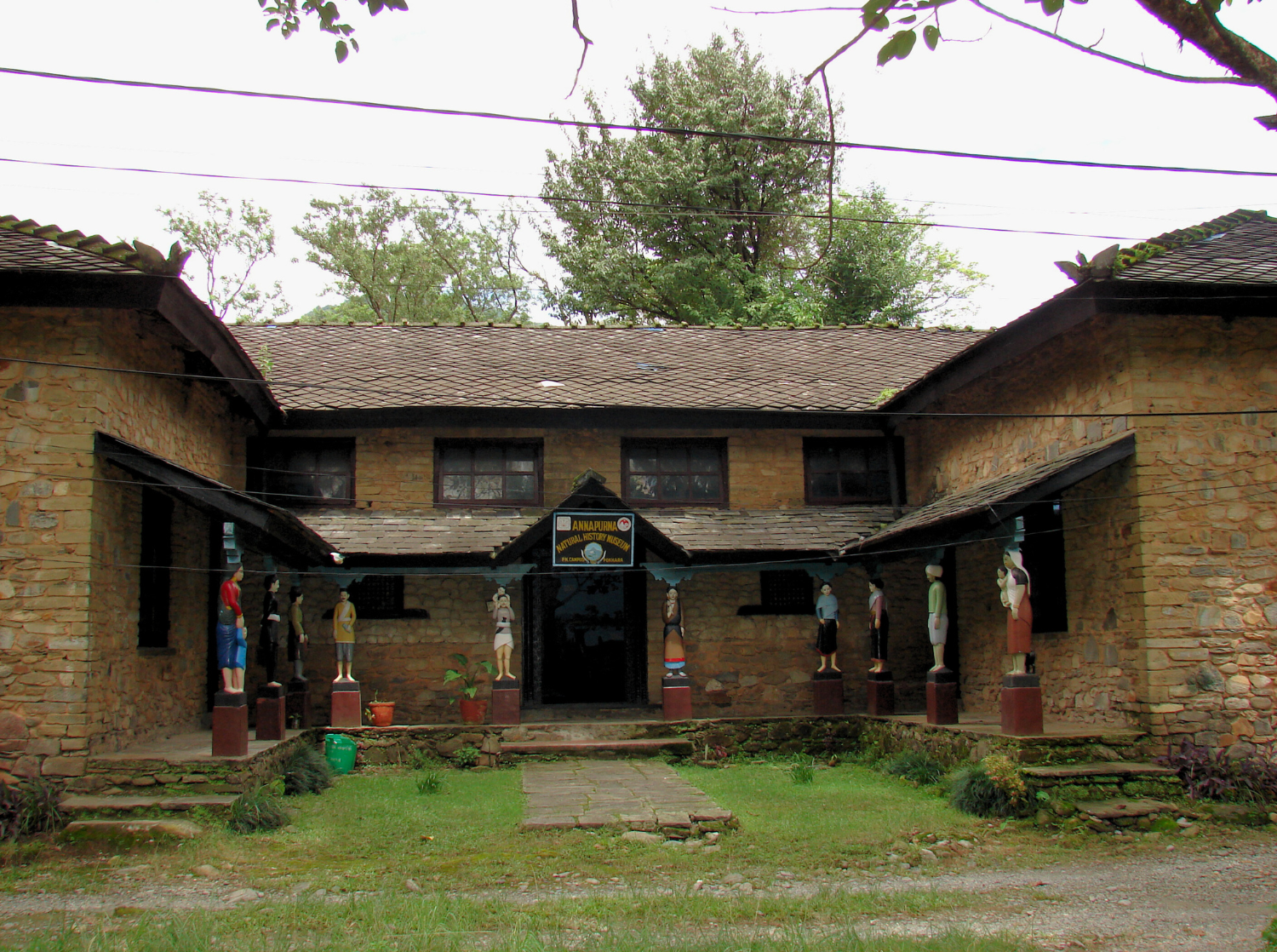
The museum was established in 1965 on the Prithvi Narayan Campus premises by the late Dorothy Miro, an American Peace Corps volunteer, for the benefit of the college, Pokhara and its surrounding areas. At that time, Pokhara lacked roads and electricity. Fairs and religious festivals were the only means of entertainment, so many handicrafts, cultural dolls and simple displays were on display for children. The exhibits kept in the museum provided an opportunity to understand more about the world beyond their surroundings. Handicraft pillars representing some of Nepal’s ethnic groups have been placed at the front of the building to ensure that visitors from the countryside do not return home disappointed when the museum is closed on holidays. These statues, carved in the cottage industries of Kathmandu, represent women and men from the Terai region, Newar farmers from Kathmandu, Brahmins from the hilly region, Paharis and Tibetans.
Geology:
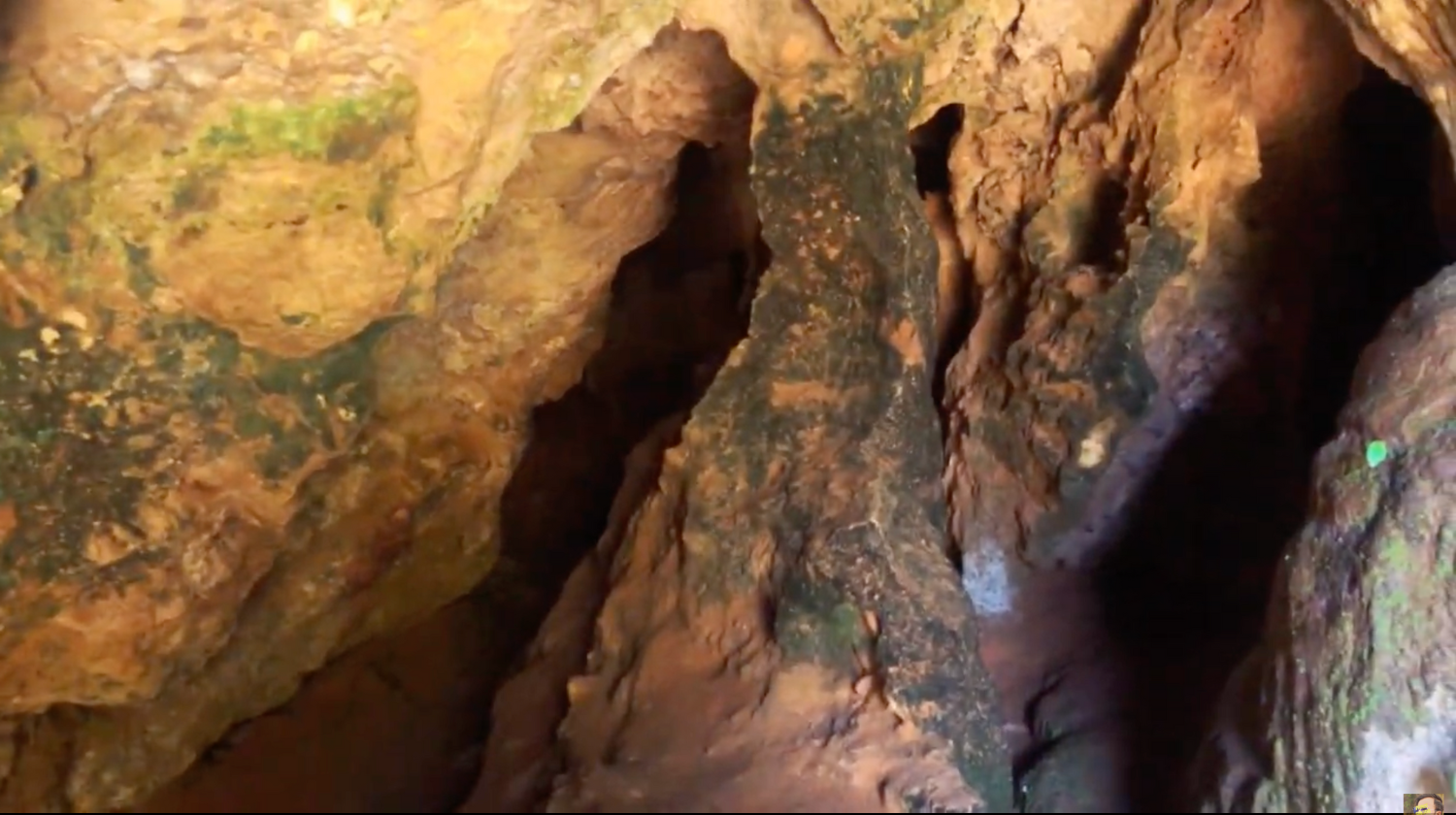
Many are interested in seeing how the Himalayas and Pokhara Valley were formed. The “tectonic block theory” of the continents moving from one place to another and the mountains rising up inside the Acap room is explained in the exhibition. How igneous, lithic and metamorphic rocks are formed is explained with samples of each. Various rocks and fossils ‘Shaligrams’ and samples of minerals are visible in the rock room. The geology department of Colorado College had provided the museum with one set each of hardness indicator minerals, various metal samples, interesting rocks and mineral samples. The geographical map of Nepal was made with the help of the Department of Geography, Prithvi Narayan Campus.
Butterflies:
Over a period of about 30 years, British entomologist Colin Smith (Butterfly Master) has collected and preserved butterflies of Nepal in the museum. Due to the large collection of butterflies in the museum, this museum is also known as the “Butterfly Museum”. Out of the 672 species of butterflies found in Nepal, 90 percent of the butterfly species are collected in this museum. Butterflies found in Nepal are displayed in various groups such as mimic butterflies, camouflage butterflies, rare, local species and different types of butterflies found according to altitude. In addition, butterflies from the Annapurna Conservation Area are kept in the exhibition. Similarly, Nepalese butterfly species are compared with similar species found in other parts of the world. Butterflies of the Apollo group found at very high altitudes of the world are also collected in the museum. Butterfly species found in eastern countries, butterflies found in various tropical regions of Southeast Asia and specimens of sword-tailed butterflies can be observed in the exhibition. Visitors can also see other species of insects and songbirds besides butterflies. This is the most complete and well-organized museum of butterflies found in Nepal.
Biodiversity:
About 70 plants and 150 species of birds from the region are depicted in life-size figures on plywood and walls. To make it easier for students interested in birds to study, Dr. Bob Fleming Sr. donated 56 species of bird skins stuffed with cotton to the museum. Since stuffed animals are difficult to prepare and preserve, the museum has created life-size figures of 90 species of wildlife using plywood and cement models carved into the walls. The museum now has 70 species of bird skins. Charts related to the altitudinal distribution of animals, fish, and snakes found around the world’s biogeographical regions are depicted. The biodiversity of wild and domestic sheep and goats is depicted in the exhibit.
Visitor Information Centre and ECAP:
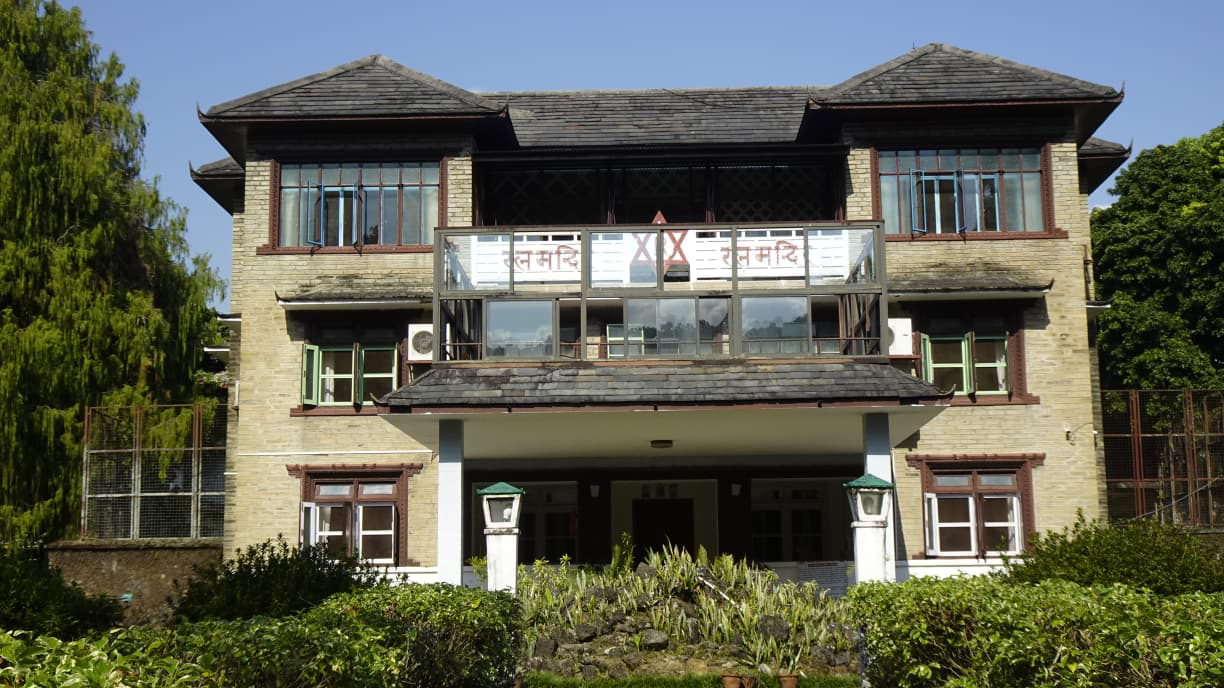
In 1988, the Annapurna Conservation Area Project (ACAP) established the Visitor Information Centre in the north-east wing and added a second floor to spread awareness about the conscious efforts being made in nature conservation. ECAP was established in 1986 under the auspices of the National Trust for Nature Conservation (NTNC) as an innovative concept in the protected area management system. The Annapurna Conservation Area (ACA) is the first and largest protected area in Nepal, covering an area of 7,629 square kilometres. The protected areas embrace the principle of multiple land-use resource management that combines environmental conservation with sustainable community development. Traditional subsistence activities are woven into a framework of efficient resource management. The project has complemented the project with small-scale conservation, development and alternative energy programmes to ensure that the livelihoods of the local people are not negatively impacted. ECAP believes that sustainable environmental conservation and cultural diversity cannot be achieved without raising the awareness of both villagers and visitors.
Museum opening hours:
Sunday to Thursday 10 am to 5 pm (until 4 pm in winter)
Friday until 3 pm
Lunch time: Closed from 1:30 pm to 2 pm
The museum will remain closed on Saturdays and public holidays.
Phone No. 061-541006
Source:
Annapurna Natural Science Museum brochure
नमस्ते! हजुरलाई अन्नपूर्ण प्राकृतिक विज्ञान संग्रहालयमा हार्दिक स्वागत छ ।
अन्नपूर्ण प्राकृतिक विज्ञान संग्रहालयले पुतलीलाई विशेष जोड दिँदै नेपाल र ए.सी.ए.(अन्नपूर्ण संरक्षण क्षेत्र) को जैविक विविधतालाई उजागर गरेको छ । यसले यो जैविक विविधता फस्टाउने प्राकृतिक वातावरणका पक्षहरू र नेपालका मुख्य जनसंख्याङिक समूहहरूको प्रतिनिधित्व गर्ने केही कुँदिएका हस्तकलाका मूर्तिहरूलाई प्रस्तुत गरिएको छ ।
यो संग्रहालय सन् १९६५ मा पृथ्वीनारायण क्याम्पस परिसरमा अमेरिकन पिस कोर भोलेन्टियर स्वर्गीय डोरोथी मिरोले कलेज, पोखरा र आसपासका बासिन्दाका लागि स्थापना गरेकी थिएन । त्यतिबेला पोखरामा सडक र बिजुलीको अभाव थियो । मेला र धार्मिक पर्वहरू मात्र मनोरञ्जनका केही साधनहरू थिए, त्यसैले धेरै हस्तकलाका सामग्री, संस्कृति झल्कने गुडियाहरू र साधारण प्रदर्शनहरू केटाकेटीहरूका लागि प्रदर्शनीमा थिए । संग्रहालयमा राखिएका प्रदर्शनीहरूले आफ्नो वरपरभन्दा बाहिरको संसारबारे अझै बढी बुझ्न अवसर प्रदान गर्यो। संग्रहालय बिदाको दिन बन्द हुँदा गाउँबाट संग्रहालय घुम्न आउनेहरू निराश भएर घर नफर्कनु भनेर नेपालका केही जातिय समूहहरूको प्रतिनिधित्व गर्ने हस्तकलाका स्तम्भहरू भवनको अग्रभागमा राखिएको छ । काठमाडौंको कुटीर उद्योगमा कुँदिएका यी मूर्तिहरूले तराई क्षेत्रका महिला र पुरुष, काठमाडौँका नेवार किसान, पहाडी क्षेत्रका ब्राह्मण, पहाडी र तिब्बतीहरूको प्रतिनिधित्व गर्छन् ।
भूविज्ञानः
हिमालय र पोखरा उपत्यका कसरी बन्यो भनेर हेर्न धेरैको रुचि छ । एक्याप कक्ष भित्र एक ठाउँबाट अर्को ठाउँमा सर्दै गरेका महादेश र माथि उठिरहेका पहाडहरूको बारेमा “ टेक्टोनिक ब्लक सिद्धान्त” द्वारा प्रदर्शनीमा व्याख्या गरिएको छ । आग्नेय, पत्रेदार र परिवर्तित चट्टानहरू कसरी बन्दछन्, प्रत्येकको नमूनासाथ व्याख्या गरिएको छ । विभिन्न चट्टान र जीवाश्म ’शालिग्राम’ र खनिजपदार्थका नमूनाहरू चट्टान कक्षमा देखिन्छन् । कोलोराडो कलेजको भूगर्भ विभागले हार्डनेस इन्डिकेटर मिनरल्स, विभिन्न धातुका नमूना, चाखलाग्दा चट्टान र खनिजका नमूनाको एक÷एक सेट संग्रहालयलाई सहयोग गरेका थिए। नेपालको भौगोलिक नक्शा पृथ्वीनारायण क्याम्पस, भूगोल विभागको सहयोगमा बनाइएको थियो ।
पुतलीहरूः
करिब ३० वर्षको अवधिमा बेलायती कीटवैज्ञानिक कोलिन स्मिथ (पुतली बाजे) ले नेपालका पुतलीको संकलन गरी संग्रहालयमा संरक्षण गरेका छन् । संग्रहालयमा पुतलीको धेरै संग्रह भएकाले यो संग्रहालयलाई “पुतली संग्रहालय” को रूपमा पनि चिनिन्छ । नेपालमा पाइने ६ सय ७२ प्रजातिका पुतली मध्ये ९० प्रतिशत पुतलीका प्रजातिहरू यो संग्रहालयमा संग्रहित छ । नेपालमा पाइने पुतलीहरूलाई विभिन्न समूहमा जस्तै एक अर्काका नक्कल गर्ने पुतली, छलावरण पुतली, दुर्लभ, स्थानीय प्रजातिहरू र उचाइअनुसार पाइने विभिन्न खालका पुतलीहरू प्रदर्शनीमा प्रदर्शन गरिएको छ । यसबाहेक अन्नपूर्ण संरक्षण क्षेत्रका पुतलीहरू प्रदर्शनीमा राखिएको छ । यसैगरी विश्वका अन्य भागहरूमा पाइने उस्तै खालका प्रजातिहरूसँग नेपाली पुतलीका प्रजातिहरूको तुलना गरी प्रदर्शनीमा देखाइएको छ । विश्वका अति उच्च उचाईमा पाइने एपोलो समूहका पुतलीहरू पनि संग्रहालयमा संग्रहित छ । पूर्वीय देशहरूमा पाइने पुतलीका प्रजातिहरू, दक्षिणपूर्व एशियाका विभिन्न उष्णकटिबंधीय क्षेत्रहरूमा पाइने पुतलीहरू र तरबारपुच्छे« पुतलीहरूका नमूना प्रदर्शनीमा अवलोकन गर्न पाइन्छ । आगन्तुकहरूले पुतली वाहेक अन्य प्रजातिका कीराहरू र गाइने कीराका प्रजातिहरू पनि देख्न सक्दछन् । नेपालमा पाइने पुतलीहरूको यो सबैभन्दा पूर्ण र सबैभन्दा व्यवस्थित संग्रहालय हो ।
जैविक विविधताः
यस क्षेत्रका लगभग ७० बोटबिरुवा र १५० प्रजातिका चराहरू प्लाइउड र भित्ताहरूमा आकृति लाइफसाइजमा चित्रित गरिएका छन् । चरामा रुचि राख्ने विद्यार्थीका लागि अध्ययन गर्न सजिलो होस् भनी डा. बब फ्लेमिङ सिनियरद्वारा कपासले भरिएका ५६ प्रजातिका चराका छालाहरू संग्रहालयलाई दान गर्नु भएको थियो । कपासले भरिएको जनावरहरू तयार र संरक्षण गर्न गाह्रो हुने भएकाले संग्रहालयले प्लाइउड र भित्तामा कुँदिएका सिमेन्टका नमूनाहरू गरी ९० प्रजातिका वन्यजन्तुहरूका आकृति लाइफसाइजमा बनाइएका छन् । अहिले संग्रहालयमा चराको छाला प्रजातिको संख्या ७० पुगेको छ । विश्वभरका जीवभौगोलिक क्षेत्र वरपरी पाइने उचाइगत जीवजन्तु, माछा र सर्पसँग सम्बन्धित चार्टहरू चित्रित गरिएको छ । जंगली र घरपालुवा भेडा बाख्राहरूको जैविक विविधतालाई प्रदर्शनीमा चित्रित गरिएको छ ।
आगन्तुक सूचना केन्द्र र एक्यापः
सन् १९८८ मा अन्नपूर्ण संरक्षण क्षेत्र आयोजना (एक्याप) ले प्रकृति संरक्षणमा भएका सचेत प्रयासका बारेमा सचेतना फैलाउन आगन्तुक सूचना केन्द्रलाई उत्तर–पूर्व कक्षमा राख्यो र दोस्रो तल्ला थप ग¥यो । राष्ट्रिय प्रकृति संरक्षण कोष (एनटीएनसी) को तत्वाधानमा सन् १९८६ मा संरक्षित क्षेत्र व्यवस्थापन प्रणालीमा नवीन अवधारणाको रूपमा एक्यापको स्थापना भयो । अन्नपूर्ण संरक्षण क्षेत्र (एसीए) नेपालको पहिलो र सबैभन्दा ठूलो संरक्षण क्षेत्र हो, यसको क्षेत्रफल ७,६२९ वर्ग किलोमिटर रहेको छ । संरक्षण क्षेत्रहरूले स्रोत व्यवस्थापनका बहु–भूउपयोग सिद्धान्तलाई अँगालेका छन् जसले वातावरण संरक्षणलाई दिगो सामुदायिक विकाससँग जोड्दछ । परम्परागत निर्वाह क्रियाकलापहरू कुशल स्रोत व्यवस्थापनको ढाँचामा बुनिएका छन् । आयोजनाले पूरकको रुपमा साना स्केलका संरक्षण, विकास, र वैकल्पिक ऊर्जाका कार्यक्रमहरू द्वारा स्थानीयहरूको जीवनस्तरमा नकारात्मक असर नपुगोस् भनी वातावरणीय कार्य गरेको छ । एक्यापले गाउँले र आगन्तुक दुवैको चेतनाको स्तर नबढाएसम्म दिगो वातावरण संरक्षण र सांस्कृतिक विविधता हासिल गर्न नसकिने विश्वास लिएको छ ।
संग्रहालय खोल्ने समयः
आइतबारदेखि विहीबारसम्म बिहान १० बजेदेखि ५ बजेसम्म (जाडो मौसममा ४ बजेसम्म)
शुक्रबार ३ बजेसम्म
खाजा खाने समयः १ः३० बजेदेखि २ बजेसम्म बन्द
शनिबार र सार्वजनिक बिदाहरूमा संग्रहालय बन्द रहनेछ ।
फोन नं. ०६१–५४१००६
स्रोत:
अन्नपूर्ण प्राकृतिक विज्ञान संग्रहालयको ब्रोसर