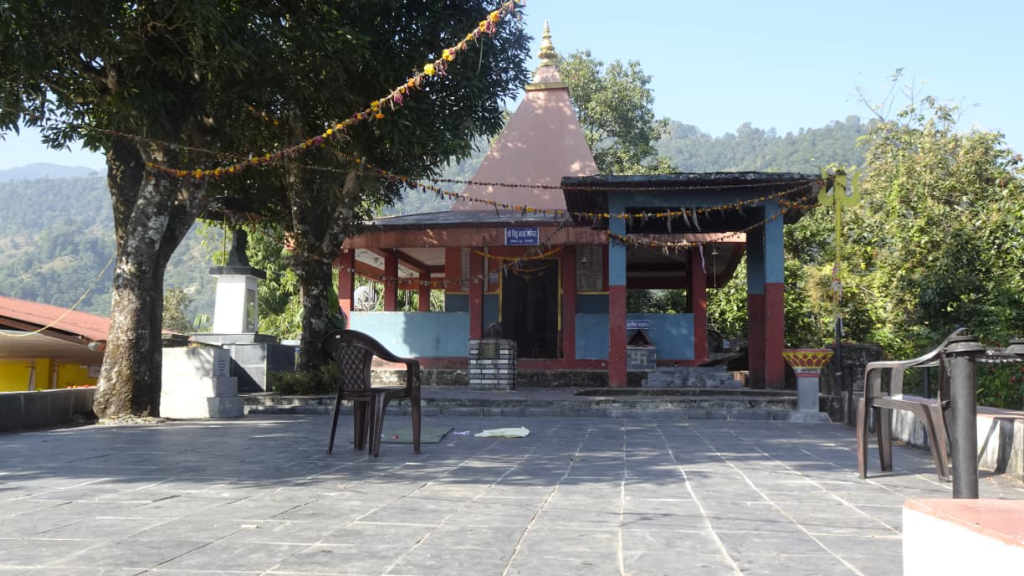
Namaskar! Today you will know about Ramghat located in Pokhara.
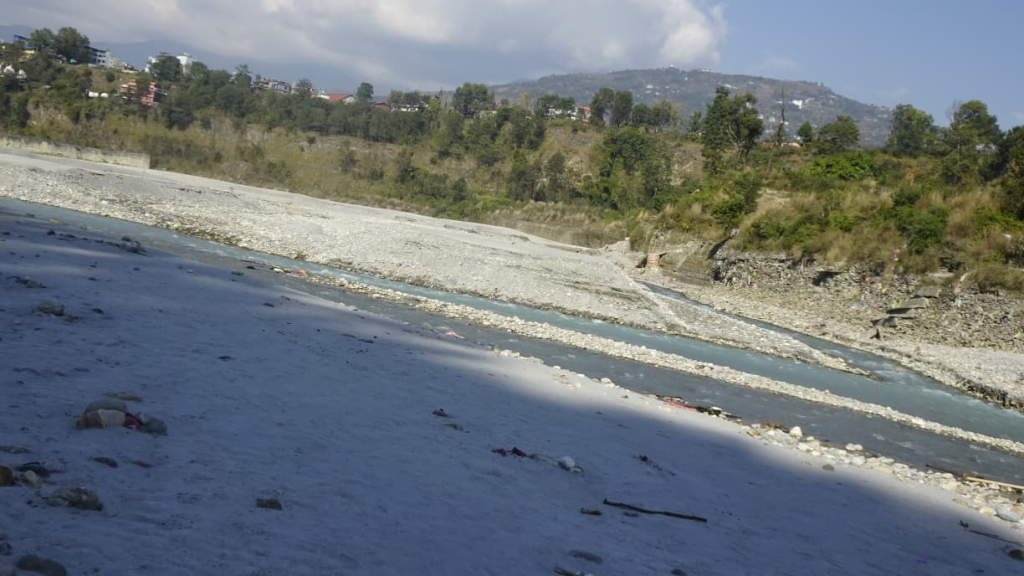
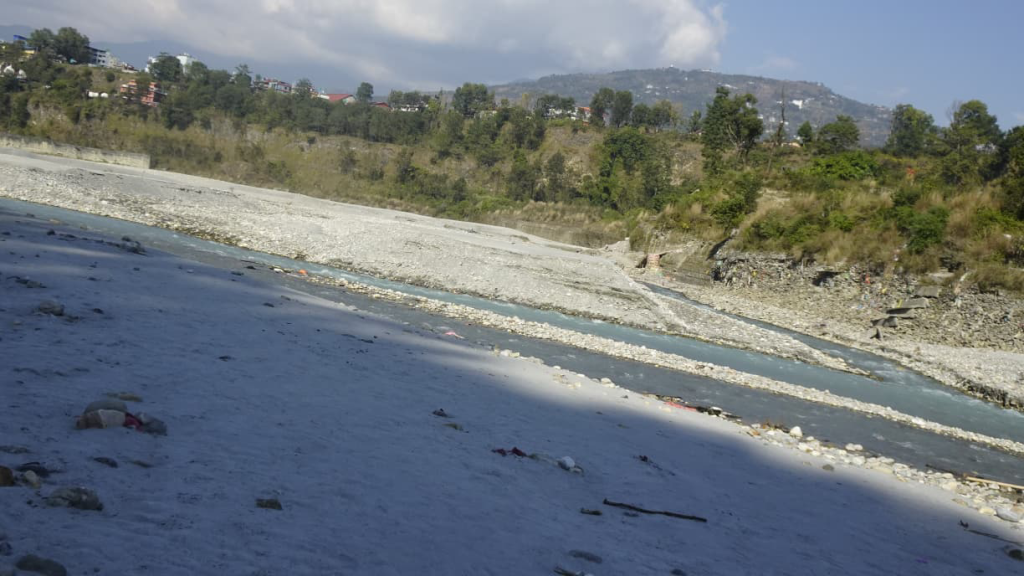
Ramghat is a very sacred riverside area located between Pokhara 10,11and Pokhara-9, on the bank of the Shukla Gandaki (Seti) River. This river starts from the middle of the Machhapuchhre and Annapurna Himalayan ranges and flows south with its bright white water.Ramghat is important in many ways—religious, historical, geographical, and cultural.The river, the ghats, the temples, the legends, the evening rituals, the Saturday aarti, cremation area ,the history of floods, and the modern facilities all make Ramghat one of the spiritual centers of Pokhara.
Origin of Shukla Gandaki and the Ancient Legend
According to an old legend, the origin of the Shukla Gandaki River is connected to the great sage Kashyap. He was doing deep meditation at a holy place called Kesharanda. Pleased with his devotion, Lord Mahakaleshwar Rudra let pure white water flow from his matted hair (jata), which became the Shukla Gandaki River.That is why the river is also called Shukla Ganga.Local belief says that taking a bath in the Shukla Gandaki washes away sins, removes suffering, and brings peace and spiritual happiness—even if someone bathes only once.
The Naming of Ramghat
Around the year 1994 B.S., a yogi submitted a request to King Tribhuvan asking for land to build a small hermitage. After the government granted him land, he built a small hut and established an idol of Lord Ram. He maintained his life through alms while continuing religious activities. This became the foundation for the area’s religious identity, and from 1995 B.S. onward, the site came to be known as Ramghat. Slowly, it developed into Pokhara’s main religious and ritual site.
Geographical Features
The Shukla Gandaki (Seti) River flows with great force, cutting a deep Himalayan canyon. Many floods in history have changed the surrounding land. A huge flood on 23rd Baisakh 2059 cut away about 10 meters (65 feet) of land on both sides of the river. Because the river is extremely deep and fast, ordinary people cannot cross it. Even today, the river changes course every year and poses risk to the structures above the ghats.
Structure of the Ghats
Ramghat has several separate areas for religious and social rituals:Main Ramghat Tulsighat
,Shantighat (also called New Ramghat by some people)These ghats are used for funeral rites, shraddha, bathing, and various pujas.During the visit of Queen Aishwarya around 2042/43 BS, the local people requested improvements. Because of this, roads, cremation platforms, lighting, and other facilities were developed, making Ramghat safer and more organized.
Religious Sites
In 2075 B.S., the Akala Temple was built here, which is now the main religious center of Ramghat. There is also the old and locally revered Siddheshwar Shiva Temple. These temples make the environment of the ghats even more sacred.

Special Gurung Ritual (Performed at Night)
A unique and less-known cultural practice also happens at Ramghat. Gurung priests come to the ghats between 9 PM and 12 midnight with people who are sick, troubled, or facing problems.They perform special rituals, mantras, and sometimes sacrifice-based practices. One important part is the kharaani dhassne ritual (rubbing sacred ash), believed to remove negative energies, bad influences, or physical and mental suffering.This tradition has been passed down from generation to generation.
Electric Cremation Machine
Ramghat now has a modern electric cremation machine.The body and firewood are placed inside the machine, and the smoke released is clean, white, and free from harmful chemicals.This process does not cause air pollution, bad smell, or public inconvenience.It also makes night-time cremation safer and more hygienic.Because of this, Ramghat is now seen as a modern, environmentally friendly, and organized cremation center.
Conclusion
Ramghat is not just a riverside for rituals It is a place where history, legends, meditation, river culture, temples, aarti, midnight rituals, flood stories, and modern facilities come together.The holy touch of Shukla Gandaki, the white water flowing from the Himalayas, the ancient stories of sages, the cultural rituals of local communities, and the improved modern management all make Ramghat a center of culture, faith, and spiritual identity in Pokhara.
References
Uttam Joshi, General Secretary, Ramghat Development Committee
Local resident: Aama Tulsi Paudel

नमस्कार! आज तपाईँहरूले जान्नुहुनेछ पोखरा स्थित रामघाटको बारे।
परिचय
रामघाट पोखरा ११ र ९ भित्र शुक्ला गण्डकी (सेती) नदीको किनारमा अवस्थित एक अत्यन्त पवित्र घाट हो। माछापुच्छ्रे हिमशृङ्खला तथा अन्नपूर्ण हिमालयका बिचभागबाट उत्पन्न भई दक्षिणतर्फ बग्ने श्वेत जलवाहिनी शुक्ला गण्डकीको तटमा रहेको यो स्थान धार्मिक, ऐतिहासिक, भौगोलिक तथा सांस्कृतिक दृष्टिले समान महत्त्व बोकेको क्षेत्र मानिन्छ। यहाँको नदी, घाट, मन्दिर, किम्बदन्ती, राति हुने अनुष्ठान, शनिबारको आरती, बाढीको इतिहास र आधुनिक सुविधाले मिलेर रामघाटलाई पोखराको आध्यात्मिक केन्द्र बनाएका छन्।
शुक्ला गण्डकीको उत्पत्ति र पौराणिक किम्बदन्ती
किम्बदन्तीअनुसार शुक्ला गण्डकीको उत्पत्ति त्रिकालदर्शी महर्षि कश्यपसँग सम्बन्धित छ। उनी केशरन्दा भनिने पवित्र स्थानमा बसेर महाकालेश्वर रुद्र भगवानको कठोर तपस्यामा लीन हुँदा भगवान प्रसन्न भई आफ्नै जटाभूमिबाट श्वेत जल बगाएर शुक्ला गण्डकी प्रकट भएको मानिन्छ। यही कारण यस नदीलाई शुक्ला गंगा पनि भनिन्छ। स्थानीय विश्वासअनुसार शुक्ला गण्डकीमा स्नान गरे जीवनका पाप रूपी मायाल पखालिन्छन्, दुःखदरिद्रता मोचन हुन्छ र एकपटक मात्र स्नान गरे पनि परम सुख शान्तिको अनुभूति प्राप्त हुन्छ।
रामघाट नामकरण
१९९४ सालतिर एक योगीले श्री ५ त्रिभुवन सरकारसमक्ष विन्तीपत्र बुझाई कुटी निर्माणका लागि जमिन माग गरेका थिए। सरकारबाट जग्गा उपलब्ध भएपछि उनले सानो कुटी बनाएर श्रीरामको प्रतीक मूर्ति स्थापना गरे र भिक्षादानबाट पूजाआर्जा चलाउँदै जीवन निर्वाह गरे। यो कुटीले धार्मिक गतिविधिको आधार तयार गरिदियो, जसका कारण १९९५ सालदेखि यो घाटको नाम रामघाट रहन पुग्यो। त्यसपछि यो स्थान बिस्तारै पोखराको प्रमुख धार्मिक तथा क्रियाकर्म स्थलका रूपमा स्थापित हुँदै गएको पाइन्छ ।
भौगोलिक बनावट
शुक्ला गण्डकी (सेती) नदी अत्यन्तै तीव्र गतिमा हिमालयी क्यानियन जस्तै गहिरो बाटो काट्दै बग्दछ। इतिहासमा धेरैपटक आएको बाढीले रामघाट वरपरको भू–भागलाई ठूलो मात्रामा परिवर्तन गरेको छ। ३९ वैशाख २३ गते आएको एक विशाल बाढीले नदीको दुवै किनाराबाट १०–१० मिटर अर्थात् ६५ फिटसम्म कटान गरिदिएको थियो। नदी अत्यन्तै गहिरो र तुफानी भएकाले सामान्य मानिसले तर्न सक्ने अवस्था हुँदैन। आज पनि नदी वर्षेनी फन्किँदै बग्छ र घाटको माथि बनाइएका संरचनाहरूलाई समेत जोखिममा पार्दछ।
घाटको संरचना
रामघाट क्षेत्रमा धार्मिक तथा सामाजिक प्रयोजनका लागि छुट्टाछुट्टै घाटहरू छन्,मुख्य रामघाट, तुलसीघाट र शान्तिघाट। शान्तिघाटलाई कतिपयले नयाँ रामघाट पनि भन्छन्। यी घाटहरू नदीको वारी–पारी फैलिएका छन् र पितृकार्य, श्राद्ध, स्नान तथा पूजा–विधिहरूका लागि प्रयोग गरिन्छन्।
२०४२/४३ सालतिर तत्कालीन श्री ५ ऐश्वर्याको पोखरा आगमनका बेला स्थानीयहरूले राखेको मागका आधारमा रामघाट जाने बाटो, क्रियास्थल, प्रकाश तथा अन्य आवश्यक संरचनाहरू विकास गरिएको थियो। यसले घाटलाई व्यवस्थित तथा सुरक्षित बनायो।
धार्मिक स्थलहरू
रामघाटमा २०३९ सालमा बनाइएको शिव मन्दिर आज पनि यहाँको मुख्य धार्मिक केन्द्र हो। यसलाई पछि रामघाट विकास समितिले पुनर्निर्माणसमेत गरेको छ। त्यस्तै, यस क्षेत्रमै सिद्धेश्वर शिव मन्दिर रहेको छ, जुन पुरानो र स्थानीय आस्थाले भरिएको स्थान हो। यी मन्दिरहरूले घाटको धार्मिक वातावरणलाई अझ पवित्र बनाउँछन्।
रामघाटको प्रमुख आकर्षणमध्ये एक भनेको हरेक शनिबार गरिने महाआरती हो। साँझपख सेती गण्डकीका छालहरू चम्कँदो प्रकाशमा उफ्रँदा गरिने आरतीले यहाँको वातावरणलाई पूर्णतया आध्यात्मिक बनाउँछ। स्थानीय, दर्शनार्थी तथा बाहिरी पर्यटकहरू शनिबार सेती गण्डकी किनारमा भेला भई आरतीमा सहभागी हुन्छन्। आरतीको अनुभूति शान्त, पवित्र र आत्मिक उर्जासँग प्रत्यक्ष रूपमा जोडिएको मानिन्छ।
राति ९–१२ बजेसम्म गरिने विशेष गुरुङ अनुष्ठान
रामघाटमा चल्ने एउटा विशेष र कमैलाई मात्र थाहा हुने सांस्कृतिक प्रथा भनेको गुरुङ समुदायका पुजारीद्वारा राति गरिने पूजा हो। राति ९ बजे देखि १२ बजेसम्म उनीहरू बिरामी, पीडित वा समस्या भएका मानिसलाई लिएर घाटमा आउने गर्छन्। यस समयमा गरिने पूजा, मन्त्र, बलि–विधि तथा खरानी धस्ने अनुष्ठान अत्यन्त शक्तिशाली र उपचारात्मक मानिन्छ। खरानी धस्ने यो विधि नकारात्मक ऊर्जा, दोष, अशुभ प्रभाव वा मानसिक–शारीरिक पीडाबाट मुक्त गर्न गरिएको सांस्कृतिक उपचार हो। यो परम्परा पीढी–दरपीढी निरन्तर चलिआएको छ।
क्रिमेशन मेसिन (विद्युत दाह संस्कार)
रामघाटमा हाल एक आधुनिक क्रिमेशन मेसिन पनि स्थापना गरिएको छ। शव र दाउरा मेसिनभित्र राखेर दाह संस्कार गरिन्छ, जसबाट बाहिर निस्कने धुवाँ पूर्ण रूपमा सेतो, सफा र हानिकारक तत्वरहित हुन्छ। यसले वातावरणीय प्रदूषण गर्दैन, दुर्गन्ध उत्पन्न हुँदैन, र राति मृत्यु भएका मानिसहरूलाई सुरक्षित तथा स्वच्छ रूपमा दाह–संस्कार गर्न सहज बनाउँछ। यसले रामघाटलाई आधुनिक, पर्यावरणमैत्री तथा व्यवस्थित घाटका रूपमा उभ्याएको छ।
रामघाट केवल एक घाट मात्र होइन यो इतिहास, किम्बदन्ती, तपस्या, नदी–संस्कृति, मन्दिर, आरती, मध्यरातका अनुष्ठान, बाढीको कथा र आधुनिक क्रियाकर्म सबै मिसिएको आध्यात्मिक ऊर्जा केन्द्र हो। शुक्ला गण्डकीको पवित्र स्पर्श, हिमालयबाट बग्ने श्वेत जल, ऋषिहरूको तपस्यासँग जोडिएको उत्पत्ति कथा, स्थानीय समुदायको सांस्कृतिक विधि, र आधुनिक व्यवस्थापन—यी सबैले रामघाटलाई पोखराको सांस्कृतिक पहिचान, धार्मिक आस्था र प्राकृतिक–मानवीय चक्रको केन्द्रबिन्दु बनाएका छन्।
सन्दर्भ सामग्री
रामघाट विकास समितिका महासचिव उत्तम जोशी,
रामघाट स्थानीय बासिन्दा आमा तुलसी पौडेल
Maps
Discover exactly where it is on the map
Discussions
Share your thoughts
Related stories