The Greater Lumbini Area (GLA) is the ancient homeland of Shakyamuni Buddha, set across the fertile Terai plains of southern Nepal. Rather than viewing Lumbini as a single isolated shrine, the GLA concept treats the entire surrounding region as an interconnected sacred and cultural landscape. It brings together more than two hundred archaeological and historical settlements, ancient trade ways, and rural farming communities tied directly to the early Shakya and Koliya clans.
The roots of the GLA trace back more than 2,600 years to early pilgrimage traditions, marked definitively in 249 BCE when Emperor Asoka raised commemorative stone pillars across the region. Centuries of monastic devotion and visits by ancient travelers kept the region alive until it gradually receded into the jungle, only to be rediscovered in the late nineteenth century. In modern times, this spiritual geography was revitalized by the 1978 Kenzo Tange Master Plan, international safeguarding led by UNESCO, and national initiatives supported by partners like the World Bank to protect the sites while supporting the living communities around them.
Key Objectives
Heritage Conservation: Safeguard the authenticity, ancient remains, and spiritual integrity of Lumbini and over two hundred linked archaeological sites through scientific, non-destructive methods.
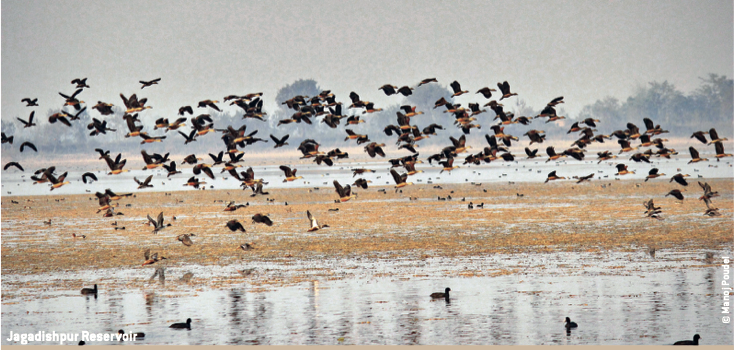
Spiritual Sanctity and Environmental Protection: Preserve the quiet, contemplative nature of the Buddhist landscape while protecting local wetlands, agricultural ecosystems, and native wildlife such as the resident Sarus crane.
Tourism Infrastructure Upgrades: Build thoughtful, climate-resilient roads, pedestrian walkways, and public amenities that connect regional pilgrimage points without damaging unexcavated history below the soil.
Visitor Experience Enhancement: Welcome pilgrims and travelers into an authentic, deeply meaningful space that encourages peaceful study, reflection, and longer stays.
Local Economic Development and Jobs: Ensure heritage preservation directly benefits local families through sustainable tourism, craft promotion, and community-led enterprise.
Regional & Institutional Coordination: Build harmonious collaboration among the Government of Nepal, local municipalities, the Lumbini Development Trust (LDT), UNESCO, and international organizations.
Anchor Areas Included
Spanning the southern plains of Rupandehi, Kapilvastu, and Nawalparasi (West), the GLA is anchored by four primary historical clusters:
Lumbini (Rupandehi District): The sacred birthplace of Siddhartha Gautama. It preserves the core Mayadevi Temple, the Asokan Pillar, the sacred Pushkarini bathing pond, centuries of layered brick monasteries, and the ancient settlement of Lumbinigame (the Village Mound).
Kapilavastu (Kapilvastu District): The fortified capital city and palatial citadel at Tilaurakot, where Prince Siddhartha lived until renouncing worldly life at the age of twenty-nine. This zone also connects other significant monuments, including the Asokan pillar sites of Gotihawa and Niglihawa (commemorating previous Buddhas), the monastic structures of Kudan, and the memorial site of Sagarhawa.
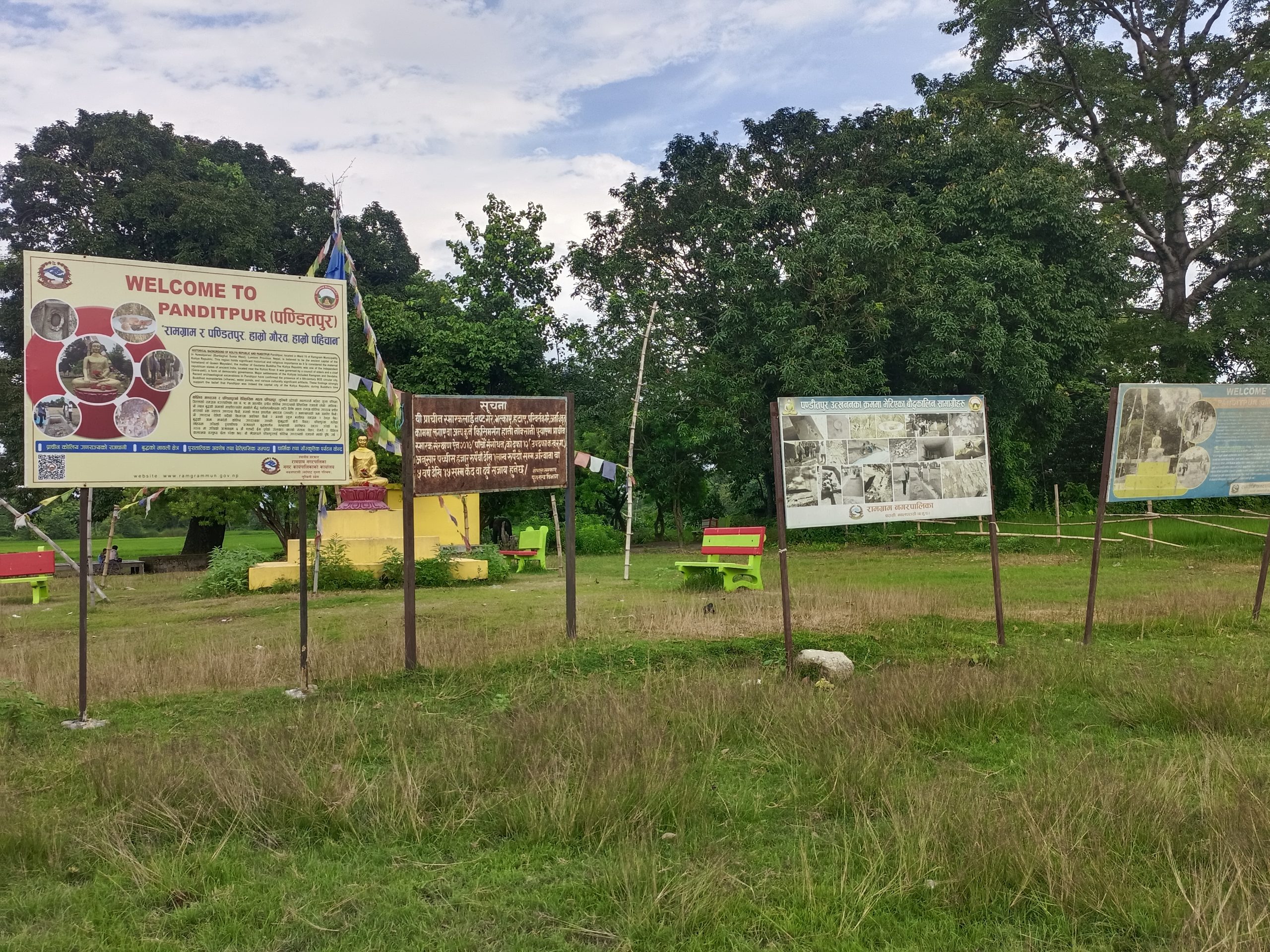
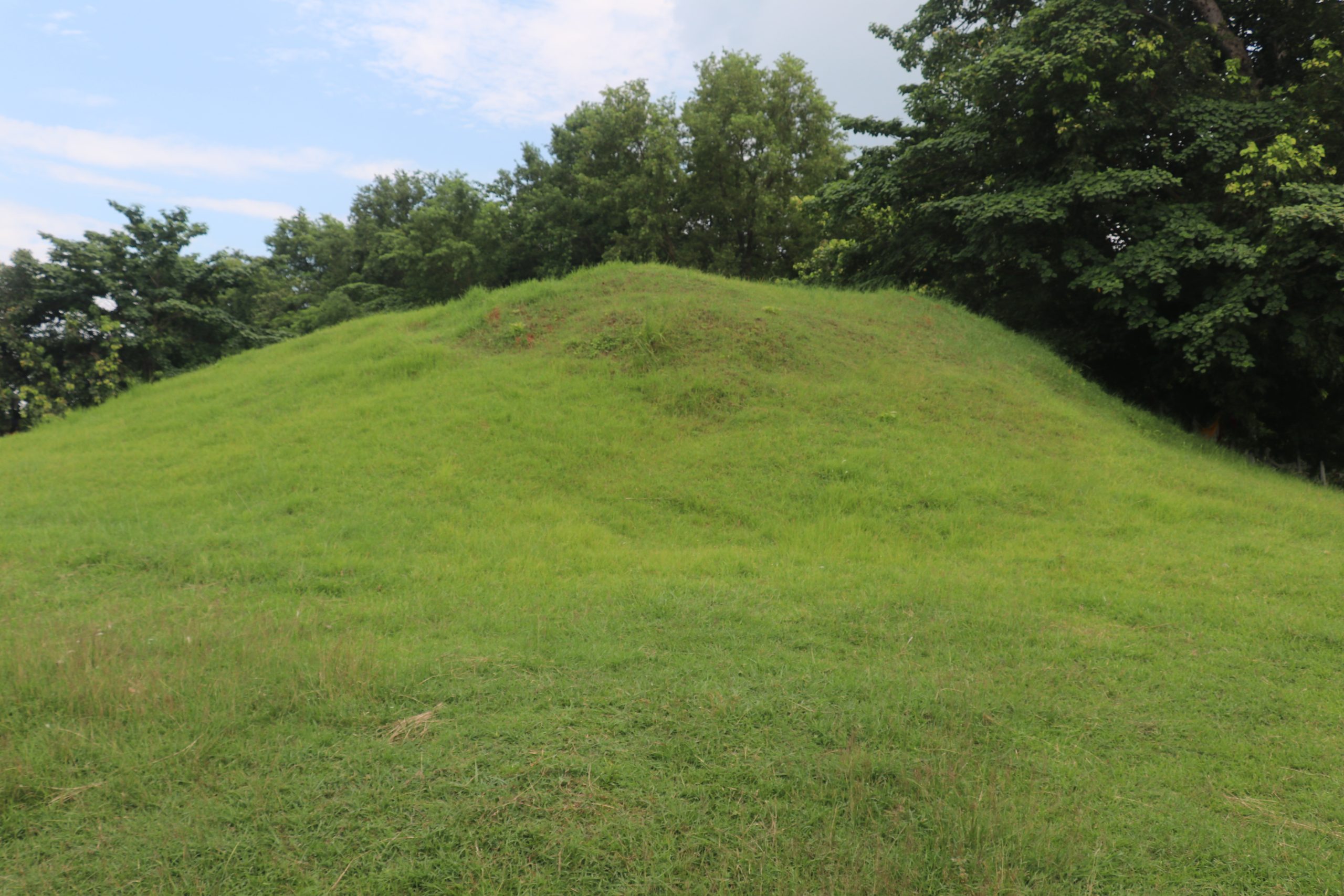
Ramagrama and Panditpur (Nawalparasi West District): Ramagrama enshrines the only undisturbed, unplundered saririka (corporeal relic) stupa of the Buddha that Emperor Asoka left intact. Adjoining sites like Panditpur preserve vast, unexcavated mounds and cultural horizons resting safely beneath active farmland.
Devadaha (Rupandehi / Nawalparasi Corridor): The ancient seat of the Koliya dynasty and the maternal ancestral homeland of Queen Mayadevi and her sister Prajapati Gautami.
बृहत्तर लुम्बिनी क्षेत्र परिचय
बृहत्तर लुम्बिनी क्षेत्र दक्षिणी नेपालको उर्वर तराई भूभागमा फैलिएको शाक्यमुनि बुद्धको प्राचीन गृहभूमि हो। लुम्बिनीलाई केवल एउटा छुट्टै मन्दिर वा स्थलका रूपमा नहेरी, बृहत्तर लुम्बिनी क्षेत्रको अवधारणाले यस सम्पूर्ण वरपरको क्षेत्रलाई आपसमा जोडिएको एक पवित्र तथा सांस्कृतिक भूदृश्यका रूपमा लिन्छ। यसले प्राचीन शाक्य र कोलिय वंशहरूसँग प्रत्यक्ष रूपमा जोडिएका दुई सयभन्दा बढी पुरातात्विक तथा ऐतिहासिक बस्तीहरू, प्राचीन व्यापारिक मार्गहरू र ग्रामीण कृषि समुदायहरूलाई एकै ठाउँमा समेट्छ।
बृहत्तर लुम्बिनी क्षेत्रको ऐतिहासिक आधार २,६०० वर्षभन्दा पुरानो प्रारम्भिक तीर्थयात्रा परम्परासँग जोडिन्छ। इ.पू. २४९ मा सम्राट अशोकले यस क्षेत्रभरि स्मरणीय स्तम्भहरू खडा गरेपछि यसले स्पष्ट ऐतिहासिक प्रमाण प्राप्त गर्यो। शताब्दीयौंसम्मको भिक्षु-साधना र प्राचीन यात्रीहरूको आगमनले यस क्षेत्रलाई जीवन्त राख्यो; पछि यो बिस्तारै जंगलमा परिणत भई हराउन पुग्यो र उन्नाइसौं शताब्दीको उत्तरार्धमा मात्र यसको पुनः उत्खनन तथा खोज भयो। आधुनिक समयमा, यस आध्यात्मिक भूगोललाई सन् १९७८ को केन्जो टाङ्गे गुरुयोजना, युनेस्कोको नेतृत्वमा भएका अन्तर्राष्ट्रिय संरक्षण प्रयासहरू तथा विश्व बैंकजस्ता साझेदारहरूको सहयोगमा नेपाल सरकारद्वारा सञ्चालित राष्ट्रिय पहलहरूमार्फत पुनर्जीवित गरियो, जसको उद्देश्य यी स्थलहरूको संरक्षण गर्दै वरपरका स्थानीय समुदायहरूलाई सबल बनाउनु हो।
प्रमुख उद्देश्यहरू सम्पदा संरक्षण
वैज्ञानिक तथा गैर-विनाशकारी विधिहरूमार्फत लुम्बिनी र योसँग जोडिएका दुई सयभन्दा बढी पुरातात्विक स्थलहरूको मौलिकता, प्राचीन अवशेषहरू तथा आध्यात्मिक निष्ठाको संरक्षण गर्नु।
आध्यात्मिक पवित्रता तथा वातावरणीय संरक्षण
बौद्ध भूदृश्यको शान्त र ध्यानमग्न वातावरणलाई अक्षुण्ण राख्दै स्थानीय सिमसार क्षेत्र, कृषि पारिस्थितिकीय प्रणाली, र यहाँ बसोबास गर्ने सारस क्रेनजस्ता रैथाने वन्यजन्तुहरूको संरक्षण गर्नु।
पर्यटन पूर्वाधार स्तरोन्नति
जमिनमुनि रहेका नखोलिएका ऐतिहासिक अवशेषहरूलाई क्षति नपुर्याई क्षेत्रीय तीर्थस्थलहरूलाई जोड्ने सुविचारित, जलवायु-अनुकूल सडकहरू, पैदल मार्गहरू र सार्वजनिक सुविधाहरूको निर्माण गर्नु।
आगन्तुक अनुभव अभिवृद्धि
तीर्थयात्री तथा पर्यटकहरूलाई एक प्रामाणिक र गहन अर्थपूर्ण वातावरणमा स्वागत गर्नु, जसले शान्तिपूर्ण अध्ययन, आत्मचिन्तन र लामो बसाइलाई प्रोत्साहित गरोस्।
स्थानीय आर्थिक विकास र रोजगारी
दिगो पर्यटन, हस्तकला प्रवर्द्धन र समुदायमा आधारित उद्यमशीलताका माध्यमबाट सम्पदा संरक्षणले प्रत्यक्ष रूपमा स्थानीय परिवारहरूलाई लाभ पुर्याउने सुनिश्चित गर्नु।
क्षेत्रीय तथा संस्थागत समन्वय: नेपाल सरकार, स्थानीय पालिकाहरू, लुम्बिनी विकास कोष, युनेस्को र अन्तर्राष्ट्रिय संस्थाहरूबीच सौहार्दपूर्ण समन्वय र सहकार्य निर्माण गर्नु।
बृहत्तर लुम्बिनी क्षेत्रमा समावेश गरिएका प्रमुख क्षेत्रहरू
रुपन्देही, कपिलवस्तु र पश्चिम नवलपरासीका दक्षिणी मैदानहरूमा फैलिएको बृहत्तर लुम्बिनी क्षेत्र, मुख्यतया चार ऐतिहासिक केन्द्रहरूद्वारा आधारित छ: लुम्बिनी
सिद्धार्थ गौतमको पवित्र जन्मस्थल। यहाँ मूल मायादेवी मन्दिर, अशोक स्तम्भ, पवित्र पुष्करिणी पोखरी, शताब्दीयौं पुराना इँटाले बनेका तहगत विहारहरू, र लुम्बिनीगामे (गाउँको ढिस्को) को प्राचीन बस्ती सुरक्षित छन्। कपिलवस्तु
तिलौराकोटस्थित प्राचीन सुदृढ राजधानी सहर र दरबार क्षेत्र, जहाँ राजकुमार सिद्धार्थले उनन्तीस वर्षको उमेरमा सांसारिक जीवन त्याग्नुअघिसम्म आफ्नो युवावस्था बिताउनुभएको थियो। यो क्षेत्रले अघिल्ला बुद्धहरूको स्मरणमा बनाइएका अशोक स्तम्भ रहेका स्थलहरू गोतिहवा र निग्लिहवा, कुदानका बौद्ध संरचनाहरू, र सगरहवाको स्मृतिस्थलजस्ता अन्य महत्वपूर्ण स्मारकहरूलाई पनि जोड्दछ।
रामग्राम र पण्डितपुर (पश्चिम नवलपरासी जिल्ला)
रामग्रामले बुद्धको एक मात्र अक्षुण्ण र नबिथोलिएको अस्तु धातु समाहित भएको स्तूपलाई संरक्षण गर्दछ, जसलाई सम्राट अशोकले पनि सुरक्षित छोडिदिनुभएको थियो। यसैसँग जोडिएको पण्डितपुरजस्ता स्थलहरूले हाल खेतीपाती भइरहेको जमिनमुनि सुरक्षित रहेका विशाल, उत्खनन हुन बाँकी ढिस्काहरू र सांस्कृतिक अवशेषहरूलाई समेटेका छन्।
देवदह (रुपन्देही / नवलपरासी क्षेत्र)
कोलिय वंशको प्राचीन राजधानी तथा महारानी मायादेवी र उहाँकी बहिनी प्रजापती गौतमीको मातृक पुर्ख्यौली गृहभूमि।