Namaste, today you will know about Sita Cave located in Pokhara–32.
Introduction
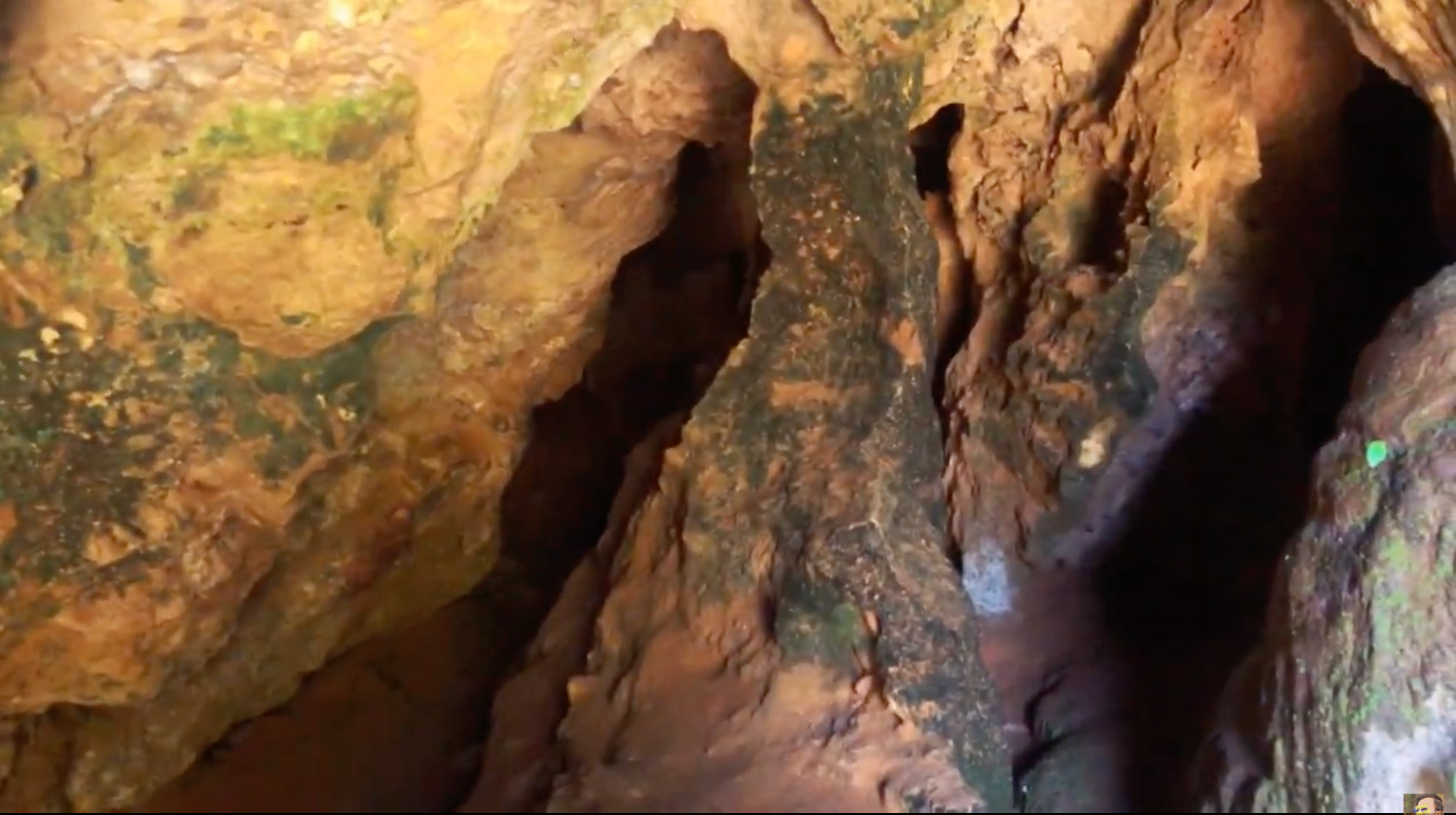
This cave, hidden deep inside a dense forest, holds special importance because of its religious beliefs, archaeological findings, legends, and natural features. The unusual stones found here, drum-like echoing sound, bat habitat, the never-drying spring, and its historical link with ancient sages and saints make this cave even more unique. Locals also call this area Chaynpur, and it is considered an ideal destination for people who love religious travel and natural exploration.
Reason for the Name
The cave is named Sita Cave because of an old legend related to this place. It is believed that Goddess Sita stayed at this location for a few days when she had her first menstruation during childhood and needed some privacy. Because she spent this time here in a peaceful and safe environment, the cave came to be known by her name. Even today, the local community respects this cave as a sacred place connected to Goddess Sita.
Geographical Location and How to Reach
Sita Cave is located about three kilometers below Sisuwa in Pokhara. From Sisuwa, walking south and then about 500 meters to the right along the footpath, the cave appears at the corner of the trail. It lies within Ward 32 and is still surrounded by natural forest, with very few houses nearby.
To the east lie Rupa Lake and Chaynpur settlement, to the west Pokhara University, to the north Begnas and Sundarital area, and to the south Satmuhane Bazaar.
The cave is about 50 meters deep and 7 meters wide. Its natural beauty and peaceful environment attract everyone who visits for the first time.
Structure of the Cave & Present Condition
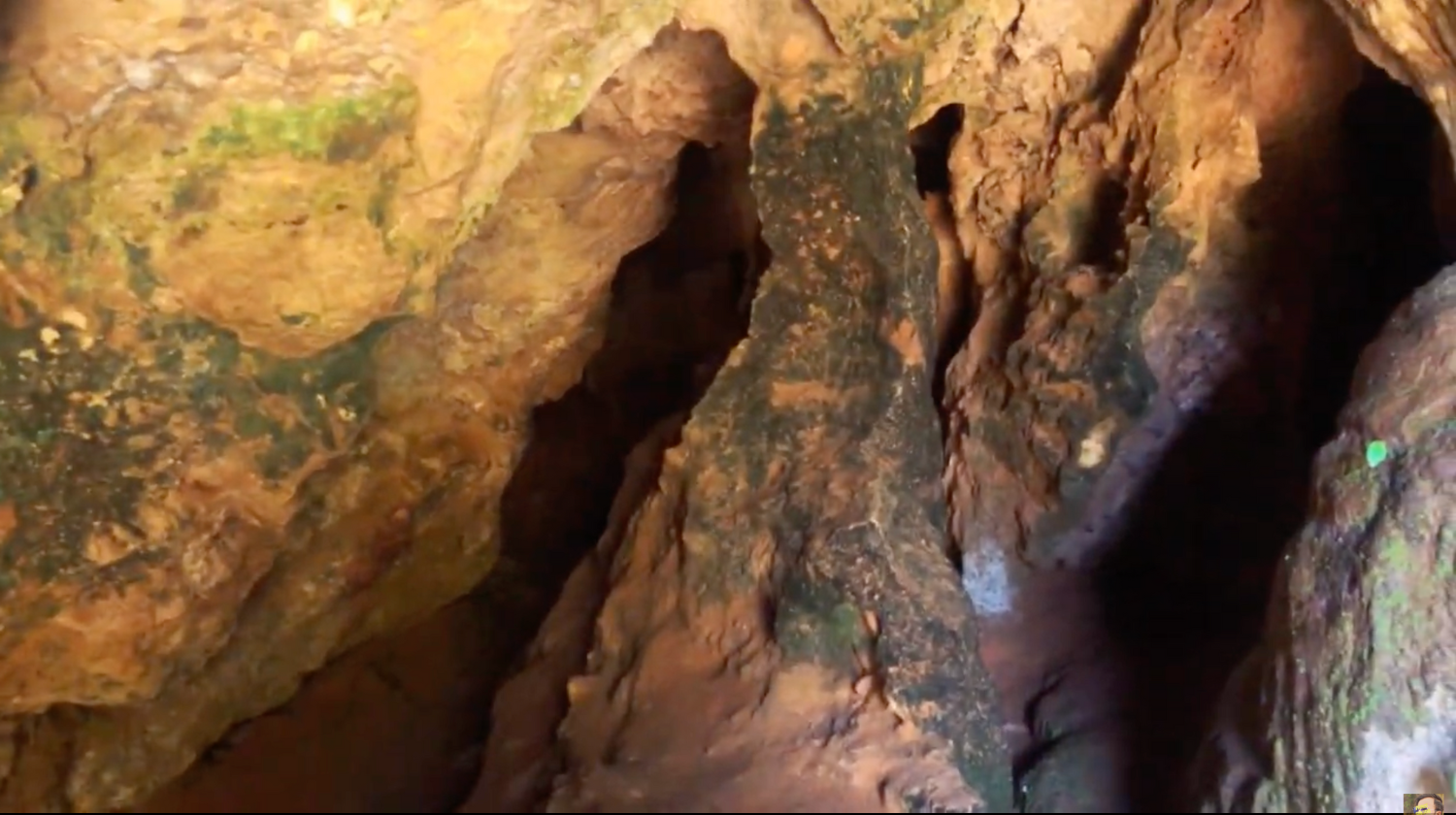
The cave is naturally very deep and narrow. According to locals, its real depth has not yet been discovered. People cannot go deeper than about ten meters because the inside is extremely dark, narrow, and frightening. Due to this, a full exploration has still not been possible. A large number of bats live inside, making the atmosphere more eerie.
A few years ago, when Chaynpur Tole Development Committee cleaned the cave, they found clay pots, a clay jar, and an old iron pot inside. These items strongly suggest that saints, yogis, or monks lived here in the past and practiced meditation.
Legends Related to Sita Cave
Many interesting legends are connected to Sita Cave. The most popular one is that Goddess Sita once stayed here during her early years. Elderly locals still narrate that she came here seeking privacy during her menstruation.
Another fascinating legend is related to the unusual sound produced by stones. When stones are struck together near the cave, the echo sounds like the beating of a traditional drum (madal). Because of this, locals believe the place has divine power.
It is also believed that naked ascetics, sages, and yogis lived, worshipped, and meditated here in ancient times. Clay pieces shaped like human feet found around the cave are considered extremely sacred.
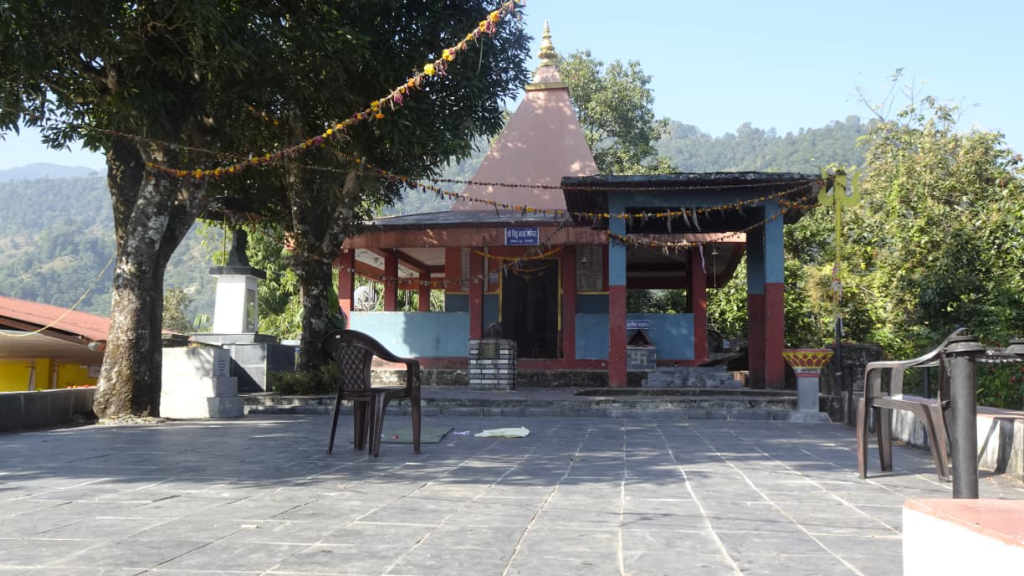
The cave is regarded as religiously significant. Devotees still light incense, offer prayers, and light lamps here. Sometimes saintly monks travel through this area and use the cave for meditation. The drum-like echo, human-foot-shaped clay pieces, and archaeological objects found here all contribute to its status as a cultural and religious heritage site.
A never-drying spring inside the cave is one of its main attractions. It neither dries, nor increases, nor decreases at any time of the year. No matter how much water is taken from it, the flow remains the same. Locals consider this a natural miracle.
The huge colony of bats, the hanging plants outside, and the dark natural structure make this site unique also from an environmental perspective.
Possible Future Plans
Some important steps are needed for the long-term preservation of Sita Cave. Scientific exploration of the deeper parts could reveal its true structure and more historical evidence. Creating a biological research center for bat conservation could also be useful.
Regular cleaning programs, a safer entrance, lighting, information boards, rest areas, and proper pathways could greatly help in the development of religious tourism. Most importantly, the land where the cave lies should be brought under government ownership and protected by the state, which will help preserve its historical value for future generations.
Reference Material
Chyanpur Tole Improvement Committee
Lokraj Adhikari (Secretary)
सीता गुफा
नमस्ते आज तपाईँले जान्नुहुनेछ पोखरा-३२ स्थित सितागुफाको बारे,
परिचय
घना वनजंगलभित्र लुकेको यो गुफा धार्मिक आस्था, पुरातात्विक प्रमाण, किम्बदन्ती र प्राकृतिक विशेषताले भरिएको भएकाले यसले आफूमा छुट्टै महत्व बोकेको छ। यहाँ भेटिने अनौठा ढुङ्गा, मादलजस्तै ध्वनि, चमेरा बसोबास, नसुक्ने मूल र प्राचीन ऋषिसन्तहरूको उपस्थितिसँग सम्बन्धित इतिहासले यो गुफालाई अझ विशेष बनाएको छ। स्थानीय बासिन्दाहरूले यो क्षेत्रलाई आजकल चयनपुर भनेर पनि चिन्ने गरेका छन्, र धार्मिक यात्रा तथा प्राकृतिक अन्वेषण मन पराउनेहरूको लागि यो स्थान एकदमै उपयुक्त मानिन्छ।
नामकरणको कारण
यो गुफालाई “सीता गुफा” भनेर नामकरण गरिनुको मुख्य कारण यहाँसँग सम्बन्धित पुरानो किम्बदन्ती हो। भनिन्छ कि माता सीता सानै उमेरमा राजस्वला भएपछि केही दिन एकान्त चाहेर यही ठाउँमा बस्नुभएको थियो। उहाँले यहाँ शान्त र सुरक्षित वातावरणमा राजस्वलाको समय व्यतीत गर्नुभएको भन्ने विश्वासले गर्दा यो गुफालाई सीताको नामले चिनियो। अहिले पनि स्थानीय समुदाय यस गुफालाई माता सीताको स्मृतिसँग जोडेर सम्मान गर्ने गर्छन् र यो स्थानलाई एक पवित्र स्थलको रूपमा लिइन्छ।
भौगोलिक स्थिति र कसरी पुग्ने ?
सीता गुफा पोखराको सिसुवाबाट करिब तीन किलोमिटर तल अवस्थित छ। सिसुवा हुँदै दक्षिणतर्फ तल झरेर दायाँतर्फ करिब पाँच सय मिटर पैदल हिँड्दा बाटोको कुनामा रहेको यो गुफा भेटिन्छ। वडानम्बर ३२ भित्र पर्ने यो स्थान अहिले पनि प्राकृतिक वातावरणले ढाकिएको छ, वरपर घरधनीको संख्या निकै कम पाइन्छ। गुफाको पूर्वतिर रूपाताल र चैनपुर बस्ती, पश्चिमतिर पोखरा विश्वविद्यालय, उत्तरतिर बेगनास र सुन्दरताल क्षेत्र तथा दक्षिणतिर सातमुहाने बजार पर्दछन्।
गुफाको गहिराई५० मिटर रहेको र चौडाइ ७ मिटर रहेको छ। प्राकृतिक रूपमा निकै सुन्दर र शान्त यस क्षेत्रले पहिलोपटक आउने जो–कसैलाई पनि आर्कषित बनाउँछ।
गुफाको संरचना र वर्तमान अवस्था
गुफा प्राकृतिक रूपमा अत्यन्तै गहिरो र साँघुरो मानिन्छ। स्थानीयको अनुसार यसको वास्तविक गहिराइ अझै पत्ता लाग्न सकेको छैन। मानिसले करिब दश मिटरभन्दा भित्र जान नसक्ने अत्यन्तै अँध्यारो र डर लाग्दो संरचना भएकाले अहिले सम्म पनि पूर्ण अन्वेषण हुन सकेको छैन। भित्र धेरै चमेरा बस्ने हुँदा वातावरण अझै भयावह महसुस हुन्छ। केही वर्ष अघि चैनपुर टोल सुधार समितिले गुफा सफा गर्ने क्रममा भित्रबाट माटोको कराई, माटोको घडी तथा पुरानो फलामको कराई भेटिएको थियो। यी सबै भाँडाकुँडाहरूले विगतमा यहाँ ऋषि, योगी वा भिक्षुहरू बसेर तपः साधना गर्थे भन्ने तथ्यलाई बलियो बनाउँछ।
सीता गुफासँग सम्बन्धित किम्बदन्तीहरू
सीता गुफामा विभिन्न प्रकारका रोचक किम्बदन्तीहरू जोडिएका छन्। सबैभन्दा प्रसिद्ध किम्बदन्ती भनेकै माता सीताले यहाँ केही समय बसेको विश्वास हो। उनी बाल्यकालमा राजस्वला भएपछि एकान्त चाहेर यही गुफामा बसेकी थिइन् भन्ने कथा यहाँका बृद्ध–बृद्धामा प्रचलित छ। अर्को रोचक किम्बदन्ती ढुङ्गाले ढुङ्गा हान्दा आउने अनौठो ध्वनिसँग सम्बन्धित छ। गुफा बाहिरका माटो र ढुङ्गाका आकृतिहरूमा ढुङ्गा हान्दा मादल बजाएको जस्तै आवाज आउने भएकाले यसलाई स्थानीयले दैवी शक्ति रहेको स्थान मान्छन्। यस गुफामा विगतमा नाङ्गा बाबा, साधु योगीहरू बस्ने, पूजा गर्ने र ध्यान गर्ने गरेको विश्वास पनि व्यापक रूपमा पाइन्छ। यहाँ भेटिने मानव–खुट्टाजस्ता आकृतिका माटोका टुक्राहरूलाई पनि धार्मिक दृष्टिले अत्यन्त पवित्र मानिन्छ।
गुफा धार्मिक दृष्टिले अत्यन्तै महत्वपूर्ण मानिन्छ। यहाँ साधक र श्रद्धालुहरूले धूपधूनी बाल्ने, पूजा गर्ने र दीप प्रज्वलन गर्ने परम्परा आज पनि कायम छ। कहिलेकाहीँ ऋषि–सन्त तथा बाबाहरू पनि यस क्षेत्रबाट घुमफिर गर्दै जाने गरेको देखिन्छ र उनीहरूले गुफालाई ध्यान र साधनाको उपयुक्त स्थानको रूपमा प्रयोग गरेको बताइन्छ। यहाँ भेटिने मादलजस्तै ध्वनि, मानव–खुट्टाजस्ता आकृतिका ढुङ्गा तथा गुफाभित्र पाइएको पुरातात्विक वस्तुहरूले यस स्थललाई धार्मिक तथा सांस्कृतिक धरोहरको रूपमा स्थापित गरेको छ।
गुफाभित्र रहेको नसुक्ने मूल यहाँको मुख्य आकर्षणमध्ये एक हो। वर्षैभरि कुनै पनि मौसममा यो मूल न त सुक्छ, न बढ्छ, न घट्छ। जतिसुकै पानी झिके पनि मूलको प्रवाह उस्तै रहने भएकाले यसलाई स्थानीयले प्राकृतिक चमत्कार मान्ने गर्छन्। गुफा भित्रका चमेरेहरूको ठूलो झुण्ड, वरिपरि लट्किएका रूख–बिरुवा र अँध्यारो रूपमा फैलिएको प्राकृतिक संरचनाले यो स्थानलाई पर्यावरणीय हिसाबले पनि विशिष्ट बनाएको छ।
भविष्यका सम्भावित योजना
सीता गुफालाई दीर्घकालीन रूपमा संरक्षण गर्न केही महत्वपूर्ण पहल आवश्यक देखिन्छ। गुफाको अझै गहिरो भागको वैज्ञानिक अन्वेषण गर्न सके यसको वास्तविक संरचना र ऐतिहासिक प्रमाणहरू पत्ता लाग्न सक्छन्। चमेरा संरक्षणका लागि जैविक अध्ययन केन्द्र बनाउने योजना पनि भविष्यमा उपयोगी हुन सक्छ। गुफा तथा वरपरको क्षेत्रमा नियमित सरसफाइ कार्यक्रम आवश्यक छ, साथै सुरक्षित प्रवेशद्वार, प्रकाश व्यवस्था, जानकारी बोर्ड, विश्रामस्थल र मार्गहरू व्यवस्थित गर्न सके धार्मिक पर्यटनको ठूलो विकास सम्भव छ। सबैभन्दा महत्वपूर्ण कुरा भनेको गुफा रहेको जग्गालाई सरकारी स्वामित्वमा ल्याई राज्यकै संरक्षणमा सुरक्षित राख्नु हो, जसले यसको ऐतिहासिक मूल्यलाई दीर्घकालसम्म जोगाउनेछ।
सन्दर्भ सामग्री
चयनपुर टोल सुधार समिति,
लोकराज अधिकारी (सचिव)