Namaste, today you will learn about the Siddha Baraha Temple.
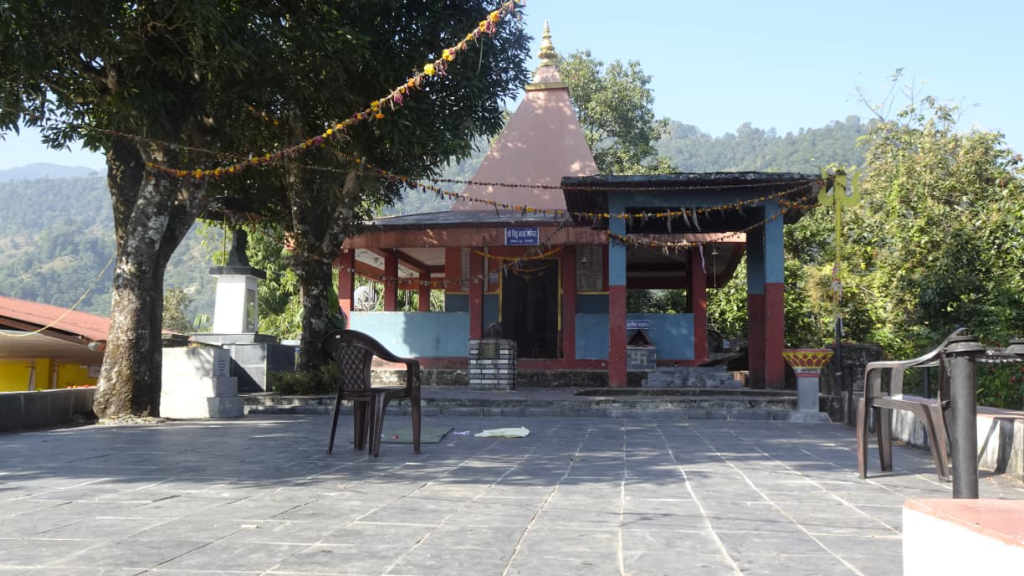
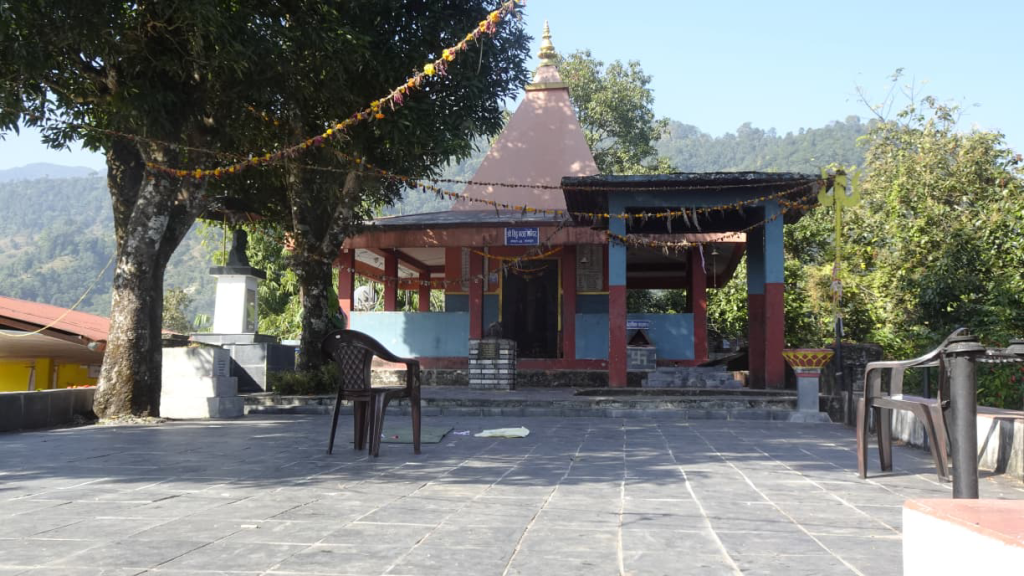
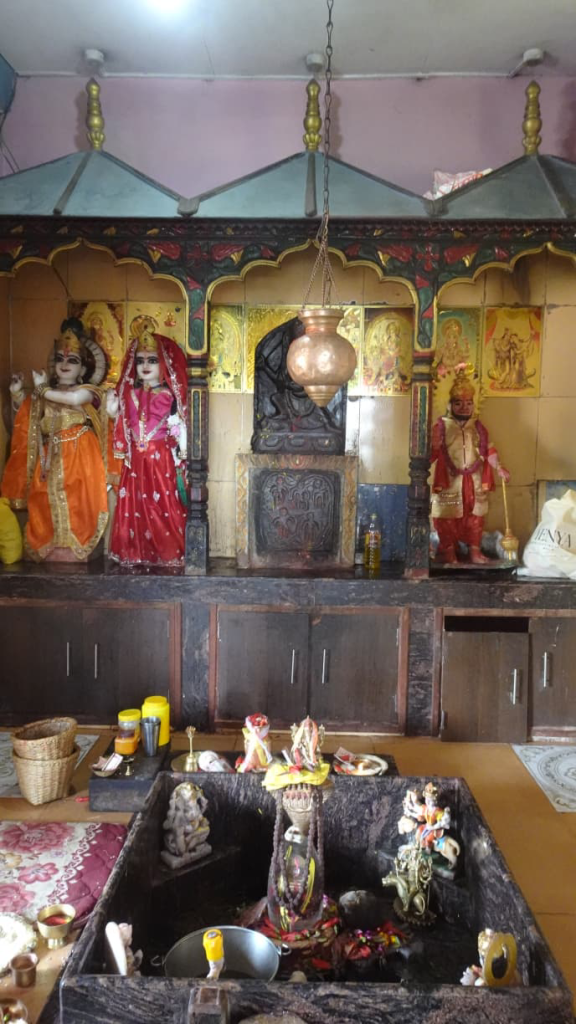
Introduction Located in Pokhara–23, Masatnung, Kaski, the Siddha Baraha Temple is known as a highly significant religious, historical, and cultural shrine. Associated with the Varaha/Narasimha form of Lord Vishnu, this temple is regarded by both local and outside devotees as a sacred place where wishes are fulfilled. Nepal’s only large Spatik (crystal) Shiva Linga is situated here, which further enhances the temple’s importance.
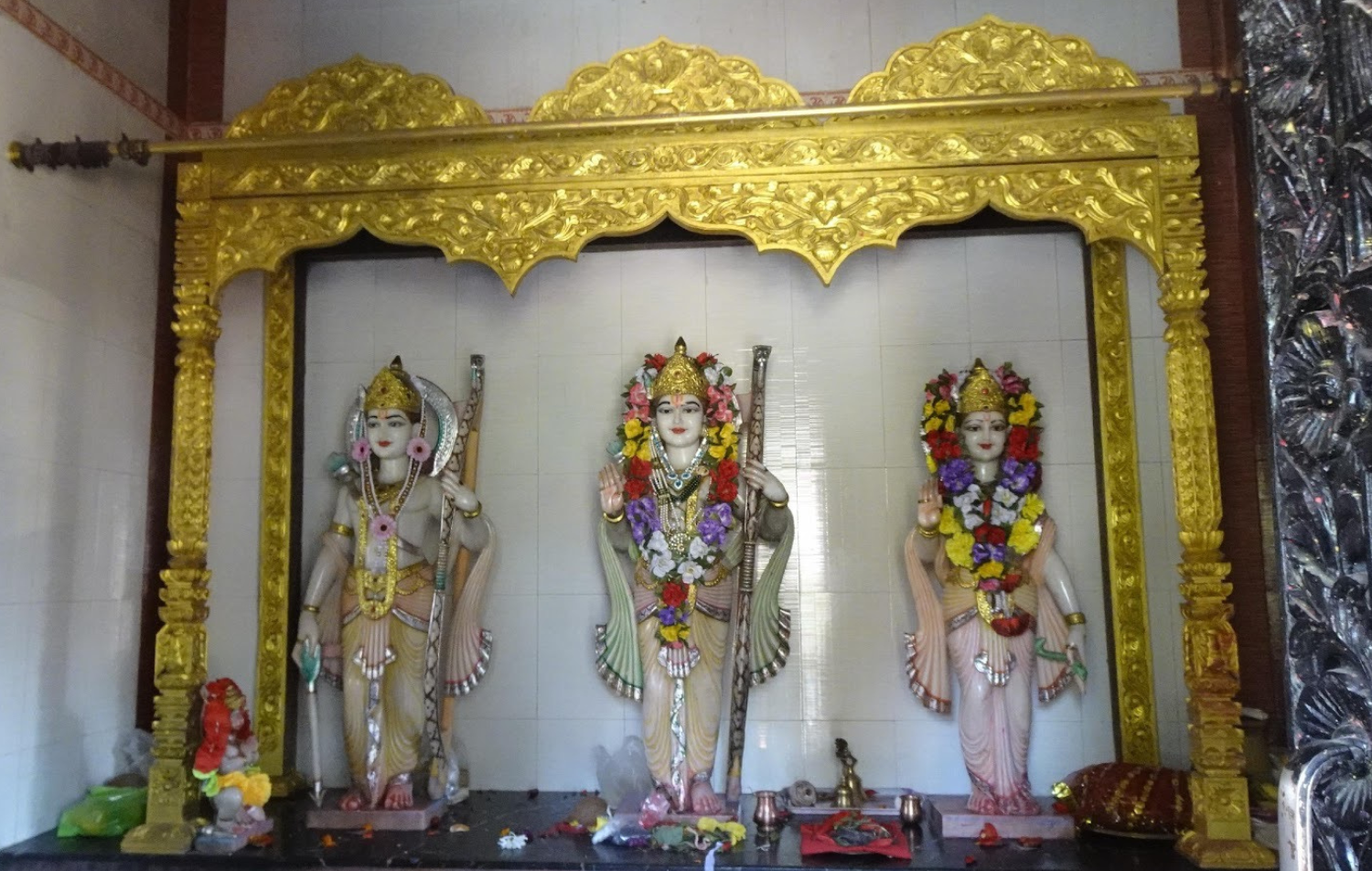
Within the temple premises, there are beautiful idols of Radha-Krishna, Lord Hanuman, Goddess Durga, Ganesh, Surya Narayan (Sun God), Lakshmi, and Saraswati, which fill the entire place with spiritual energy and peace.
Reason for the Name The name “Siddha Baraha” comes from two concepts: “Siddha,” meaning the power to fulfill wishes, and “Baraha,” referring to the Varaha/Narasimha incarnation of Lord Vishnu. According to local beliefs, Siddha Barahi Lake and the Siddha Baraha area are considered like sisters. Since both Barahi and Baraha are powerful forms, the temple received this name based on traditional faith.
Geographical Location The temple is surrounded by various settlements and natural landscapes. To the east lies the Karki ko Tagara settlement; to the west are Kahare Khola, Thulokhet, and Chhayanpur areas. To the south are Naubise and Chapakot settlements, while to the north are Chhaypur and Annapurna Rural Municipality. Although Masatung is not very tall, the surrounding areas can be seen clearly, making it a suitable spot for scenic viewing as well. Including the temple, Gurukul, and other structures, this religious site now spreads across approximately 38 ropani of land and is naturally very serene and beautiful.
Religious Significance The Siddha Baraha Temple holds a deep connection with the Varaha incarnation of Lord Vishnu. According to the locals, wishes made here are fulfilled, which is why the temple is called “Siddha,” meaning a place with the power of accomplishment. One unique belief is that locals have never found an example of any wish made here that remained unfulfilled. Morning and evening aarti, Rudrabhishek, continuous kirtan, satsang, and devotional hymns constantly resonate throughout the area. Rishi Panchami, Dhanmashtami, Bala Chaturdashi, and Shivaratri are the major festivals celebrated here, daily a large number of devotees.
History and Origin Story According to local legends, the old temple once stood at the center of a large lake. Hundreds of years ago, this area was filled with water, and the Siddha Baraha Temple was just a small hut-like shrine made of stone and thatch in the middle of the lake. Over time, geographical changes caused the land to rise and the lake gradually dried up, forming the present hill. It is believed that devotees used to cross the lake by boat to reach the temple in ancient times, and this belief remains strong among locals even today.
Parajuli Couple’s Conch Shell Story Once, there was a mysterious conch shell in the temple that would blow by itself at midnight. The king of Kaskikot, Kulmandal, cherished this conch greatly and wanted to bring it to his palace. When the Parajuli couple refused to give it, the king organized a grand ritual in the name of Brahmadan and invited the couple. During the ceremony, the king’s men went to their house and deceitfully told the wife that her husband had sent them to collect the conch, and they took it away. When both husband and wife learned of the loss, they could not bear the injustice and are believed to have given up their lives. Since that day, it is said that during deaths in Parajuli Tole, conch shells are not blown — a tradition that continues even now.
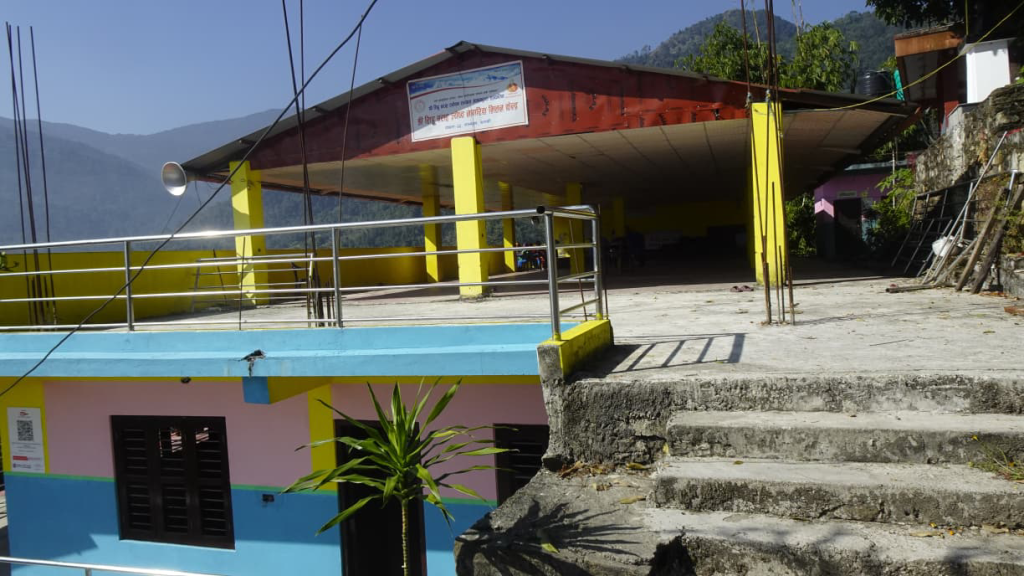
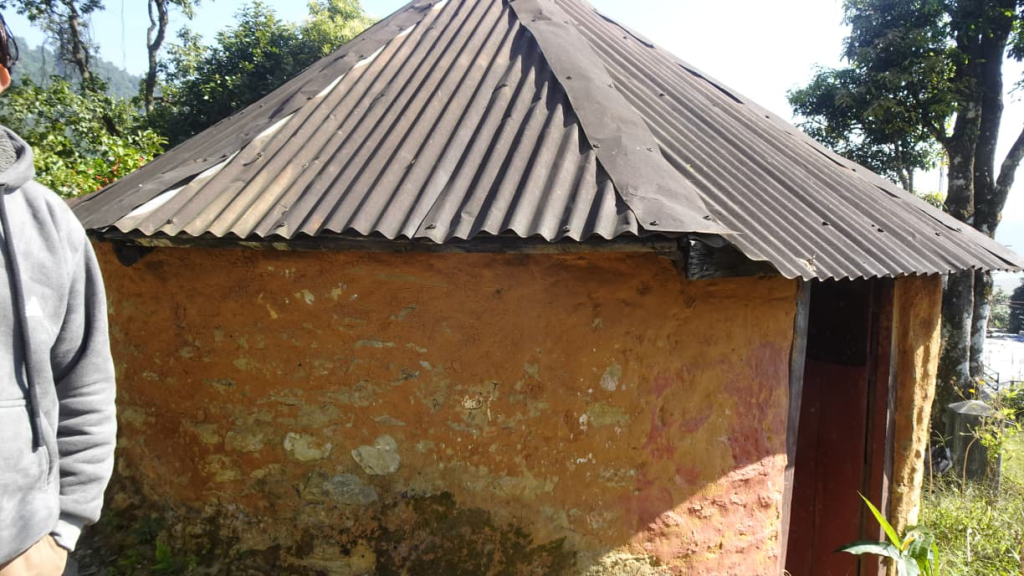
Arrival of Guru Bhuvaneshwar Koirala In 1985/86 AD (B.S. 2042/43), Guru Bhuvaneshwar Koirala came to reside at the Siddha Baraha Temple. He practiced deep meditation there for a long time, gathered devotees, built a cowshed (Gaushala), and established the Kuti Katha. He later began teaching following the Gurukul system, where Sanskrit education and moral values were prioritized. The cowshed, buildings, and kuti established on five ropani of land donated by the Lamichhane family are still considered important heritage of the temple. The old kuti where the Guru stayed remains preserved in the same condition, reflecting the temple’s spiritual history.
After Guru Bhuvaneshwar
After Bhubaneswar Guru, Swami Shri Nishesanand Ji Maharaj—who is not only the Peethadhish of Bindabasini and Siddha Baraha, but also of many gurukuls including Lamki (Kailali) and Panauti (Kavre)—has played a pivotal role in revitalizing the institution.
Brahmalin (samadhi), Majhthum, which had fallen into obscurity, was not only revived, but except for the old Golokuti the entire physical infrastructure was constructed due to the efforts of Swami Shri Nishesanand Ji Maharaj, made possible with the support of local residents.
Under the leadership of Shri Siddha Baraha Mata, the under-construction 108-foot-tall statue of Hanuman is also the result of the Guru’s sacred resolve (sat-sankalp).
According to local people, the Maharaj’s spiritual influence, discipline, and deep spiritual connection with Siddha Baba have given the temple a new identity
Daily Religious Activities The daily programs at Siddha Baraha Temple make the religious life here highly active. After the morning aarti and Rudrabhishek, prasad is distributed only to devotees. From 11 AM to 12 PM, senior citizens gather for fellowship and continuous kirtan. From 12 PM to 1 PM, a Guru satsang is conducted. From 1 PM to 2 PM, devotional singing (bhajan–kirtan) continues, followed by evening aarti. Additionally, from 6 PM to 9 PM, regular Rudra–Shok rituals and prayers take place. The operation of the Gurukul, management of the Gaushala, and temple administration are traditionally handled by the local community .
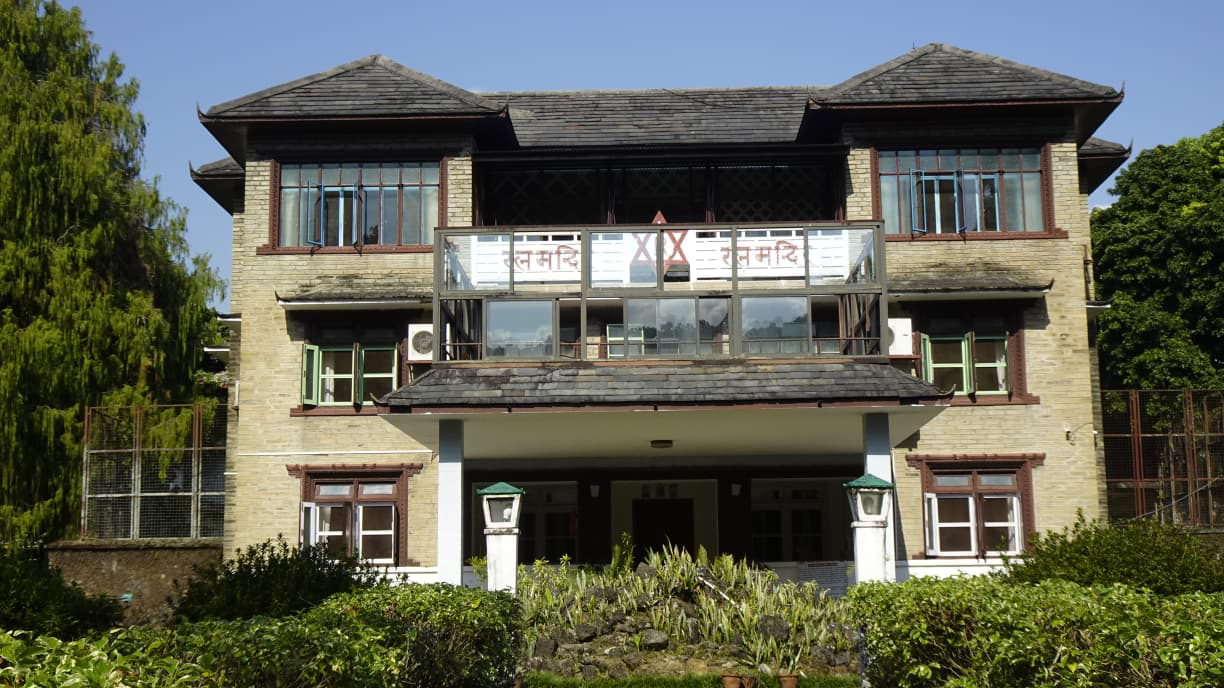
New Development Plans The Siddha Baraha Temple is built in the traditional Nepali pagoda style. At the entrance, the footprints and sacred symbols (paduka) of Siddha Baraha are placed, offering devotees a spiritual welcome. Within the temple premises, there are structures such as the ashram, Gurukul, Gaushala, devotional hall, and kuti. Spread across a total of 38 ropani, the shrine continues to expand with new additions. Currently, preparations are underway to build a large statue of Lord Hanuman. Plans for constructing a meditation hall, expanding the Gaushala, and developing a cultural assembly hall are also actively progressing.
Why Visit? There are many reasons to visit the Siddha Baraha Temple. Its natural beauty, historical legends, spiritual peace, and religious rituals make it one of Nepal’s important pilgrimage destinations. The presence of Nepal’s largest Spatik (crystal) Shiva Linga, the Gurukul education system, regular devotional singing and kirtan, the belief that wishes are fulfilled, meditation spaces, and various cultural activities make this place truly unique. For those seeking a peaceful environment, open scenic views, and spiritual inspiration, this temple is not only suitable but also deeply uplifting.
Reference Materials • Hari Paudel Professor, Shri Siddha Baraha Gurukul Vidyashram
सिद्ध बराह मन्दिर
नमस्ते, आज तपाईँहरूले जान्नुहुनेछ सिद्ध बराह मन्दिरको बारे,
परिचय
पोखरा–२३ मासतुङ, कास्कीमा अवस्थित सिद्ध बराह मन्दिर धार्मिक, ऐतिहासिक र सांस्कृतिक दृष्टिले अत्यन्त महत्वपूर्ण पीठका रूपमा परिचित छ। भगवान विष्णुको वराह/नरसिंह रूपसँग सम्बन्धित यो मन्दिर स्थानीय तथा बाहिरी भक्तजनका लागि मनोकामना सिद्ध हुने स्थलका रूपमा मानिन्छ। नेपालकै एक मात्र ठूलो स्पटिक शिवलिङ्ग यहाँ अवस्थित छ, जसले मन्दिरको महत्त्वलाई अझ उच्च बनाएको छ। मन्दिरको परिसरमा राधाकृष्ण, भगवान हनुमान, माता दुर्गा, गणेश, सूर्य भगवान, लक्ष्मी र सरस्वतीका आकर्षक मूर्तिहरू छन्, जसले सम्पूर्ण स्थानलाई आध्यात्मिक ऊर्जा र शान्तिले भरिदिन्छ।
कसरी जाने ?
सिद्ध बराह मन्दिर पुग्न पोखरा उपत्यकाको दक्षिण–पूर्वी दिशातिर रहेको मासतुङ डाँडातिर सानो यात्रामात्र गर्नुपर्छ। सडक सहज भएकाले मोटरसाइकल, स्कुटर, कार वा पैदल सबैले सजिलै पुग्न सकिन्छ। डाँडा धेरै अग्लो नभए पनि वरिपरि खुलेका गाउँ, खोला र पहाडी भू–दृश्यहरू अत्यन्त सौन्दर्यपूर्ण देखिन्छन्। पोखरा २३,२४ र अन्नपूर्ण गाउँपालिकाको संगम क्षेत्रमा पर्ने भएकाले दुवै स्थानबाट यहाँको पहुँच सरल छ। स्थानीयहरूका अनुसार यो क्षेत्रमा दैनिक जीवनदेखि धार्मिक पूजापाठसम्म निरन्तर गतिविधि रहने भएकाले मन्दिर पुग्ने बाटो सधैं सुरक्षित र सहज रहन्छ।
नामकरणको कारण
‘सिद्ध बराह’ नामको मूल आधार ‘सिद्ध’ अर्थात् मनोकामना पूरा हुने शक्ति र ‘बराह’ भगवान विष्णुको वराह/नरसिंह अवतार हो। स्थानीय कथनअनुसार सिद्ध बराही ताल र सिद्ध बराह क्षेत्रलाई दिदी–बहिनीका रूपमा पनि मानिन्छ। बराही र बराह दुबै शक्तिशाली रूप भएकाले मन्दिरको नाम यसरी स्थापित भएको जनविश्वास छ।
भौगोलिक स्थिति
मन्दिरलाई चारैतिरबाट विविध बस्ती र प्राकृतिक भू–भागले घेरेका छन्। पूर्वमा कार्कीको तगरा बस्ती छ, पश्चिमतर्फ कहरे खोला, ठूलोखेत र चयनपुर क्षेत्र पर्दछन्। दक्षिणतर्फ नौबिसे र चापाकोटको बस्ती छ भने उत्तरतर्फ चयपुर र अन्नपूर्ण गाउँपालिका अवस्थित छन्। मासतुङ डाँडा आफैंमा धेरै अग्लो नभए पनि आसपासका भू–भागहरू स्पष्ट देखिने भएकाले यो स्थान दृश्यावलोकनका लागि पनि उपयुक्त मानिन्छ। मन्दिर, गुरुकुल र अन्य संरचना मिलाएर हाल करिब ३८ रोपनी क्षेत्रफलमा फैलिएको यो धार्मिक क्षेत्र प्राकृतिक रूपमा पनि अत्यन्त रमणीय छ।
धार्मिक मान्यता
सिद्ध बराह मन्दिर विष्णुको वराह अवतारसँग गहिरो सम्बन्ध राख्दछ। स्थानीयहरूका अनुसार यहाँ मागिएको मनोकामना पूरा हुन्छ, त्यसैले मन्दिरलाई ‘सिद्ध’ अर्थात् सिद्ध हुने शक्ति भएको स्थल भनिन्छ। यहाँको एक विशेषता भनेको मागेको कुरो सिद्ध नभएको उदाहरण स्थानीयहरू अहिलेसम्म नभेटिएको बताउँछन्। बिहान सांझ नियमित आरती, रुद्राभिषेक, अखण्ड कीर्तन, सत्संग र भजन–कीर्तनको ध्वनि यस स्थानमा निरन्तर गुञ्जिन्छ। ऋषि पंचमी, धनमाष्टमी, बाला चतुर्दशी र शिवरात्रि यो मन्दिरका प्रमुख पर्वहरू हुन्, जिनेश भक्तजन भारी संख्यामा भेला हुन्छन्।
इतिहास र स्थापना कथा
तालको बीचमा रहेको पुरानो मन्दिरस्थानीय किम्बदन्तीअनुसार सयौँ वर्षअघि यहाँ एक ठूलो ताल थियो र सिद्ध बराह मन्दिर त्यही तालको बीचभागमा रहेको सानो ढुङ्गाको, खरले छाएको मन्दिर मात्र थियो। समयक्रममा भू–भाग परिवर्तन हुँदै पहाड बन्न थालेपछि ताल क्रमशः सुक्दै गएर आजको डाँडा बनेको मानिन्छ। पुरानो मन्दिरमा पूजा गर्ने भक्तहरू डुङ्गामार्फत ताल पार गरी दर्शन गर्न जान्थे भन्ने जनविश्वास आज पनि प्रचलित छ।
पराजुली दम्पत्तिको शङ्ख–कथा
एक समय मन्दिरमा राति १२ बजेदेखि आफैं बज्ने रहस्यमय शङ्ख थियो। कास्कीकोटका राजा कुलमण्डललाई त्यो शङ्ख अत्यन्तै प्रिय थियो र उनी त्यसलाई आफ्नो दरबारमा ल्याउन चाहन्थे। पराजुली दम्पत्तिले शङ्ख दिन अस्वीकार गरेपछि, राजाले ब्रह्मादानको नाममा ठूलो पूजा आयोजना गरी दम्पत्तिलाई निम्तोमा बोलाए। पूजा चलिरहँदा राजा पक्षले सैनिक पठाई पराजुली श्रीमतीलाई “श्रीमानले नै पठाउनु भएको” भनेर झूटो कुरा बनाई शङ्ख लिएर गए। जब दुवैले शङ्ख हराएको थाहा पाए, त्यस अन्याय सहन नसकी दुवैले नै देहत्याग गरेको मानिन्छ। त्यस दिनदेखि पराजुली टोलमा मृत्यु हुँदा शङ्ख नबजाउने प्रचलन आजसम्म जारी रहेको बताइन्छ।
भुवनेश्वर कोइराला गुरुको आगमन
वि.स. २०४२/४३ सालमा भुवनेश्वर कोइराला गुरु सिद्ध बराह मन्दिरमा आएर बस्नुभयो। उहाँले लामो समयसम्म यहाँ तपस्या गर्नुभयो, भक्तहरूलाई एकत्रित पार्नुभयो र गौशाला निर्माण गर्नुका साथै कुटी कथा स्थापना गर्नुभयो। त्यसपछि गुरुकुल प्रणाली अनुसार शिक्षा दिन थाल्नुभएको थियो, जसमा संस्कृत शिक्षा र नैतिक शिक्षालाई प्राथमिकता दिइन्थ्यो। लामिछाने परिवारले दान गरेको पाँच रोपनी जग्गामा स्थापित गौशाला, भवन र कुटी आज पनि मन्दिरको महत्वपूर्ण अवशेष मानिन्छन्। गुरु बस्ने पुरानो कुटी अहिले पनि त्यही अवस्थामा संरक्षित छ, जसले मन्दिरको आध्यात्मिक इतिहासलाई स्मरण गराउँछ।
मन्दिरका संरचना, आश्रम तथा गुरुकुलका विकासमा स्वर्गीय लक्ष्मीप्रसाद भण्डारीको योगदान अत्यन्त ठूलो छ। स्थानीयका अनुसार उहाँले घर–घर गएर चन्दा संकलन गरे, पैसा नजुटे आफैं सहयोग गरे र मन्दिरलाई आज देखिएजस्तै मजबुत बनाउने आधार तयार गर्नुभयो। २०६८ सालमा स्थानीयहरूको पहलमा लागेको महायज्ञले पनि ठूलो मात्रामा आर्थिक सहयोग जुटायो। भण्डारीको अथक प्रयास र दृढ इच्छाशक्तिले गर्दा आजको सिद्ध बराह मन्दिर सुगठित र व्यवस्थित स्वरूपमा उभिन सक्यो भन्ने स्थानीयहरूको भनाइ छ।
भुवनेश्वर गुरुका पछि स्वामी श्री विशेष आनन्द महाराज, जो बिन्दबासिनी र सिद्ध बराह दुबैका पिठाधीश हुनुहुन्छ, यहाँ आएर दुई वर्षसम्म निरन्तर ध्यान र साधना गर्नुभयो। २०७० सालमा उहाँको अगुवाइमा गरिएको महायज्ञपछि मन्दिर पुनः चर्चामा आयो र भक्तहरूको आगमन तीव्र रूपमा बढ्यो। स्थानीयहरूका अनुसार महाराजको आध्यात्मिक प्रभाव, अनुशासन, र सिद्ध बाबासँगको अध्यात्मिक सम्बन्धले मन्दिरलाई नयाँ पहिचान दिलायो।
दैनिक धार्मिक कार्यक्रमहरू
सिद्ध बराह मन्दिरमा दैनिक रूपमा चल्ने कार्यक्रमहरूले यहाँको धार्मिक जीवनलाई अत्यन्त सक्रिय बनाएको छ। बिहान आरती र रुद्राभिषेकपछि भक्तहरूलाई मात्र प्रसाद वितरण गरिन्छ। बिहान ११ देखि १२ बजेसम्म जेष्ठ नागरिक मिलन तथा अखण्ड कीर्तन हुन्छ, त्यसपछि १२ देखि १ सम्म गुरु सत्संग सञ्चालन हुन्छ। १ देखि २ बजेसम्म भजन–कीर्तन निरन्तर हुन्छ र बेलुका पुनः आरती गरिन्छ। साथै, साँझ ६ देखि राति ९ बजेसम्म नियमित रुद्र–शोक पूजापाठ हुन्छ। गुरुकुल सञ्चालन, गौशालाको संरक्षण तथा मन्दिर व्यवस्थापनका जिम्मेवारीहरू स्थानीय समुदाय र हेडमास्टरले सम्हाल्ने परम्परा छ।
नयाँ निर्माण योजनाहरू
सिद्ध बराह मन्दिर पुरातन नेपाली शैलीअनुसार प्यागोडा स्वरूपमा बनेको छ। मन्दिरको प्रवेशद्वारमा सिद्ध बराहको पादुका र पदचिह्न राखिएको छ, जसले भक्तजनलाई आध्यात्मिक स्वागत प्रदान गर्छ। मन्दिर परिसरमा आश्रम, गुरुकुल, गौशाला, भजन–स्थल, कुटी लगायतका संरचना छन्। कुल ३८ रोपनी क्षेत्रमा फैलिएको यो पीठ निरन्तर विस्तार भइरहेका संरचनाहरूका कारण अझै विकसित हुँदैछ। हाल मन्दिरमा ठूलो हनुमान मूर्ति निर्माणको तयारी भइरहेको छ। साथै ध्यान–पूर्ति भवन, गौशाला विस्तार र सांस्कृतिक सभा–स्थल निर्माणका योजनाहरू सक्रिय रूपमा अघि बढाइएका छन्।
किन जानुपर्छ ?
सिद्ध बराह मन्दिर भ्रमण गर्न धेरै कारणहरू छन्। यहाँको प्राकृतिक सुन्दरता, ऐतिहासिक कथा, आध्यात्मिक शान्ति, र धार्मिक अनुष्ठानहरूले यो स्थानलाई Nepalका प्रमुख तीर्थस्थलमध्ये एक बनाएको छ। नेपालकै सबैभन्दा ठूलो स्पटिक शिवलिङ्गको दर्शन, गुरुकुल प्रणाली, नियमित कीर्तन–भजन, मनोकामना सिद्ध हुने जनविश्वास, ध्यान स्थल र सांस्कृतिक गतिविधिले यो स्थानलाई विशिष्ट बनाउँछ। प्राकृतिक वातावरण, खुला दृश्यावलोकन र शान्ति खोज्नेहरूका लागि यो स्थान उपयुक्त मात्र होइन, अत्यन्त प्रेरणादायी पनि छ।