Namaste! Today you will learn about Ratna Mandir located in Pokhara.
Introduction and Geography
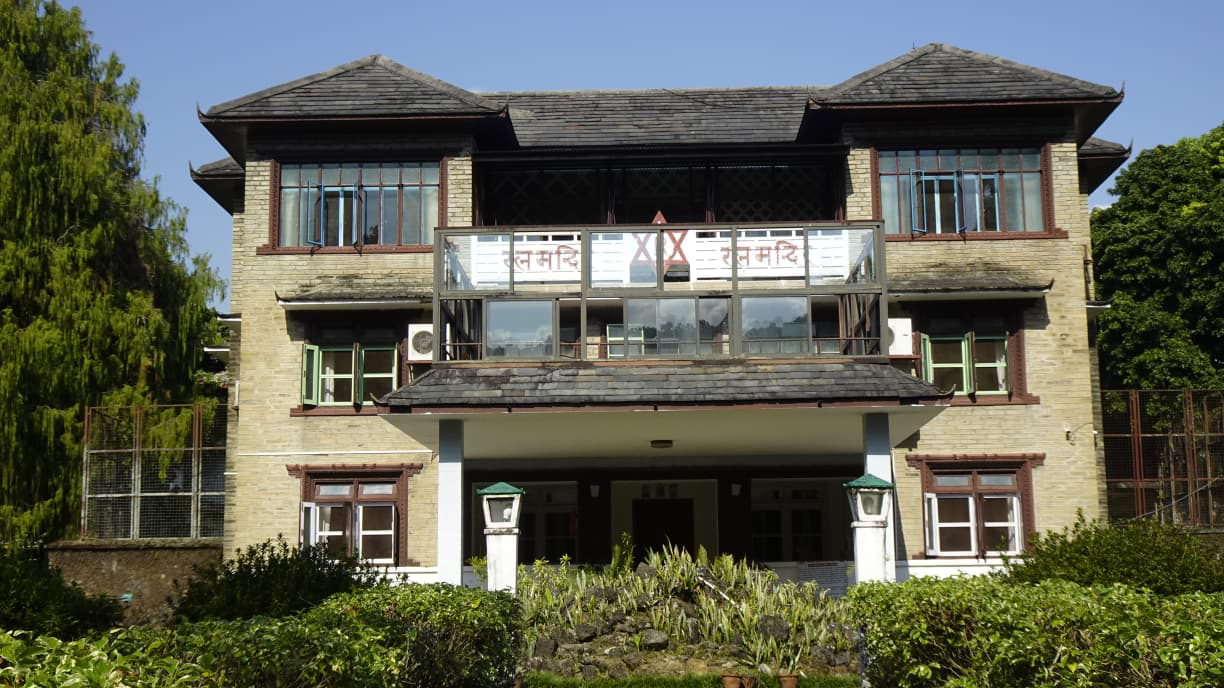
Ratna Temple, located in Pokhara-Lakeside, is a historical site spread over 174 ropani of land. To the north is the main road, to the east the army barracks, to the west the entrance gate, and to the south the Hawa Ghar (wind house). The temple is surrounded by forested areas and trees such as Ved, Mango, Kadam, Lotus, Bar, Peepal, Swami Payu, Dumri, and others. The humming of birds, the cool breeze from Phewa Lake, and the peaceful environment give visitors a natural and spiritual experience.
History and Origin of the Name
The history of Ratna Temple is closely connected with King Mahendra’s life and Nepal’s political environment. In 2015 BS, King Mahendra built this palace in honor of his youngest wife, Ratna Rajya Lakshmi Devi Shah. Pokhara was considered an ideal place for the king and queen because of its special natural environment. The weather here is neither too hot nor too cold, making it suitable for spending private time during the rainy season and festivals.
This land originally belonged to King Birendra as personal property. During King Gyanendra’s reign, it was nationalized, and currently the Nepal Trust Foundation is protecting it. Initially, King Mahendra thought of naming it “Ratna Darbar” (Ratna Palace), but he felt the word “Darbar” could not fully express its beauty and peaceful environment. Therefore, he named it “Ratna Temple.”
Political and Cultural Importance
Ratna Temple was not only a private palace but also a political and cultural center. King Mahendra hosted various national and international guests here. It is recorded that Queen Elizabeth of the United Kingdom stayed in the Hawa Ghar on the south side. Similarly, Prime Minister B.P. Koirala also stayed here. The house on the east side stored old boats. Although these boats are old, they are still modern in design. At that time, the king would take his international guests on a ride in these boats on Phewa Lake.
Structure and Architecture
Ratna Temple has three floors and was built without using cement, using only stone, mud, and wood. Its strong structure and square design beautifully show both architecture and aesthetics. The main structure is in the center, and equal land is used on both the right and left sides.
The temple complex includes a guest room, a small tea house, the Hawa Ghar (wind house), and a play/sunbathing area known as Nani Tara. There are arrangements for princes and princesses to play and sunbathe, special facilities for guests, and daily necessities such as sofas, chairs, beds, and kitchen equipment. These features make it a notable historical palace.
Natural Beauty and Plants
Around the temple, there are various trees and flowers such as Ved, Mango, Kadam, Lotus, Bar, Peepal, Swami Payu, Dumri, and others. The peaceful environment near Phewa Lake, the humming of birds, and the cool breeze from the lake give visitors a mixed experience of nature and history. Special care is taken to protect the plants and trees here, which preserves both the environment and the historical beauty of the temple.
Religious and Cultural Activities
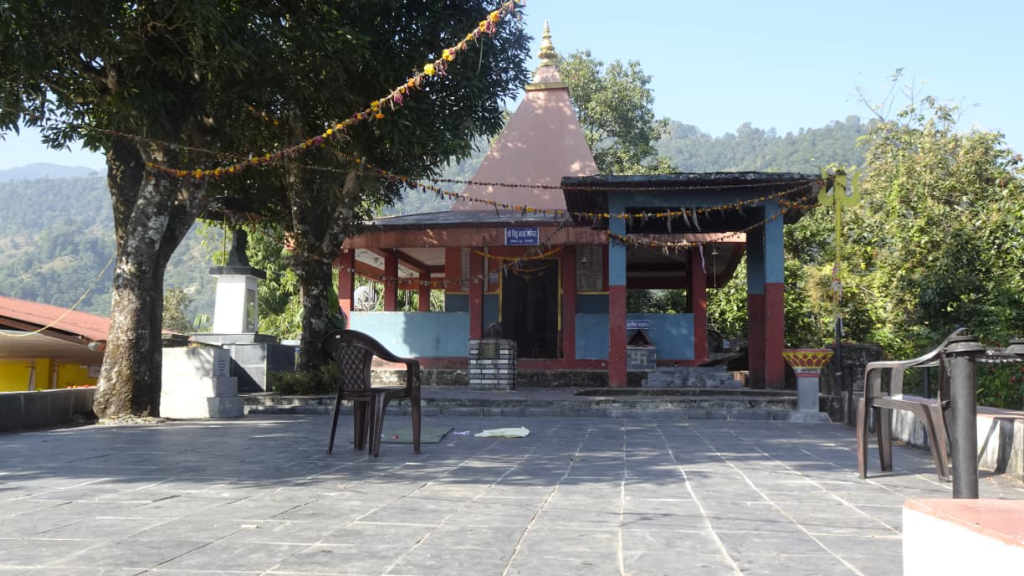
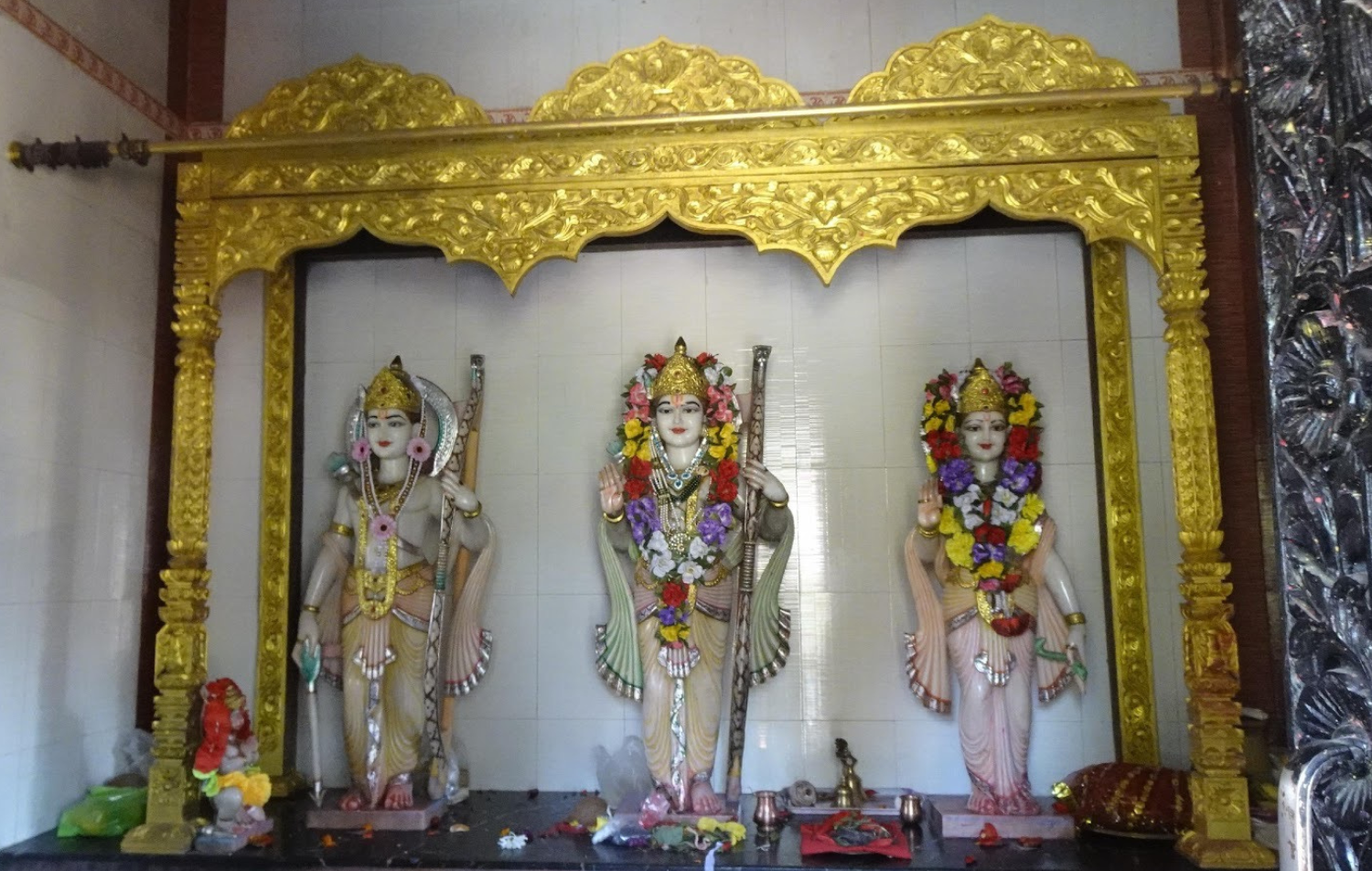
At this temple, the king and guests used to participate in religious rituals, pujas, and festivals. This increased the cultural importance of Ratna Temple. During festivals, the king would come from Gorkha Palace and stay for a few days. This made the temple not just a historical site but also a cultural and spiritual center.
Management and Conservation
The temple is protected by the Nepal Trust Foundation. Full attention is given to daily operations, security, protection of historical objects, and the management of plants and the environment. This has made Ratna Temple a historical and environmental destination in Pokhara.
Importance and Reasons to Visit
Ratna Temple is an unmatched site from historical, cultural, and natural perspectives. It reflects the personal life of King Mahendra and Queen Ratna, historical meetings, guest receptions, and the atmosphere of political decisions. Additionally, the greenery near Phewa Lake, the humming of birds, the peaceful environment, and the historic structures provide visitors with a very enjoyable experience.
नमस्कार, आज तपाईँहरूले जान्नुहुनेछ पोखरामा स्थित रत्न मन्दिरको बारे,
परिचय र जियोग्राफी
पोखरा–लेक्ससाइडमा अवस्थित रत्न मन्दिर १७४ रोपनी क्षेत्रफलमा फैलिएको एक ऐतिहासिक स्थल हो। यसको उत्तरमा मेन रोड, पूर्वमा सेना घर, पश्चिमतर्फ प्रवेश ढोका र दक्षिणतर्फ फेवाताल र हावा घर रहेको छ। मन्दिर वरिपरि बन्तरी, वेद, आँप, कदम, कमल, वर, पिपल, स्वामी पैयु, डुम्री र अन्य वृक्षहरूले घेरिएको छ। यहाँको चराचुरुङ्गीहरूको गुनगुन, फेवातालको चिसो हावा र शान्त वातावरणले आगन्तुकलाई प्राकृतिक र आध्यात्मिक अनुभूति दिन्छ।
इतिहास र नामको उत्पत्ति
रत्न मन्दिरको इतिहास राजा महेन्द्रको जीवन र नेपालको राजनीतिक परिवेशसँग घनिष्ठ रूपमा जोडिएको छ। वि.स २०१२/१३ सालमा राजा महेन्द्रले आफ्नी कान्छी श्रीमती रत्नराज्य लक्ष्मी देवी शाहको सम्मानमा यो महल निर्माण गरी विसं २०१५ सालदेखि पोखरा र तत्कालीन पश्चिमाञ्चल विकास क्षेत्रको सवारीको वेला तथा जाडो मौसममा सपरिवार यस महलमा बस्ने गरेको पाइन्छ। पोखरा यहाँको विशेष प्राकृतिक वातावरणका कारण राजा र रानीका लागि आदर्श स्थल मानिन्थ्यो। यहाँ न धेरै गर्मी न धेरै जाडो हुने गर्छ, जसले वर्षा र चाडबाडमा आराम र निजी समय बिताउन उपयुक्त बनाउँछ र बनाउने गर्थ्यो ।
यो जग्गा पहिले राजा वीरेन्द्रको व्यक्तिगत सम्पत्ति थियो। राजा ज्ञानेन्द्रको शासनकालमा यसलाई सरकारीकरण गरिएको थियो र हाल नेपाल ट्रस्टको कार्यालयले यसको संरक्षण गर्दै आएको छ। प्रारम्भमा राजा महेन्द्रले यसलाई “रत्न दरबार” नाम दिने सोच बनाउनुभएको थियो, तर उहाँलाई लाग्यो कि “दरबार” शब्दले यसको सौन्दर्य र शान्त वातावरणको सम्पूर्ण भाव व्यक्त गर्न सक्दैन। त्यसैले यसलाई “रत्न मन्दिर” नाम दिनुभयो।
राजनीतिक र सांस्कृतिक महत्त्व
रत्न मन्दिर केवल निजी महल मात्र होइन, यो राजनीतिक र सांस्कृतिक केन्द्र पनि रह्यो। राजा महेन्द्रले यहाँ विभिन्न राष्ट्रिय र अन्तर्राष्ट्रिय पाहुनाहरूलाई स्वागत गर्नुभएको थियो। दक्षिणपट्टि रहेको हावा घरमा बेलायतकी महारानी एलिजाबेथ पनि बस्नुभएको इतिहासमा उल्लेख छ। त्यस्तै, तत्कालीन प्रधानमन्त्री बीपी कोइराला पनि यहाँ बस्नुभएको स्थानीयहरूको भनाइ छ। यसको दक्षिणमा रहेको ग्यारेजमा पुरानो ढुङ्गाहरू राखिएको छ। पुरानो भएतापनि ती ढुङ्गा अहिलेको लागि आधुनिक छन् । त्यो समयमा राजाले आफ्ना अन्तर्राष्ट्रिय पाहुनाहरूलाई त्यो ढुङ्गामा राखेर फेवाताल घुमाउने गर्नुहुन्थ्यो।
संरचना र वास्तुकला
रत्न मन्दिर तीन तलाको छ र यसको निर्माणमा सिमेन्टको प्रयोग नगरी ढुङ्गा, माटो र काठ प्रयोग गरिएको छ। यसको बलियो संरचना र स्क्वायर डिजाइनले निर्माणकला र सौन्दर्यलाई उत्कृष्ट रूपमा प्रस्तुत गरेको छ। मन्दिरको बीचमा मुख्य संरचना रहेको छ र दायाँ–बायाँ दुवै क्षेत्रमा बराबरको जग्गा प्रयोग गरिएको छ।
मन्दिर परिसरमा पाहुनाहरू भेट्ने कक्ष, सानो चिया खाने घर, हावा घर र नानी तरा भनेर चिनिने खेल्ने/घाम ताप्ने क्षेत्र अवस्थित छ। राजकुमार–राजकुमारीलाई खेलाउने र घाम ताप्ने व्यवस्था, पाहुनाका लागि विशेष सुविधाहरू, र दैनिक जीवनका साधारण आवश्यकता (सोफा, कुर्सी, बिस्तारा, किचन उपकरण)ले यसलाई सशक्त ऐतिहासिक महलको रूपमा चिनाएको छ।
प्राकृतिक सौन्दर्य र बोटबिरुवा
मन्दिर वरिपरि विभिन्न वृक्ष र फूलहरू छन्—बन्तरी, वेद, आँप, कदम, कमल, वर, पिपल, स्वामी पैयु, डुम्री आदि। फेवातालको नजिकको शान्त वातावरण, चराचुरुङ्गीको गुनगुन, र तालबाट आउने चिसो हावा आगन्तुकलाई प्रकृति र इतिहासको मिश्रित अनुभव दिन्छ। यहाँका बोटबिरुवाहरूलाई संरक्षण गर्न विशेष ध्यान दिइएको छ, जसले पर्यावरण र ऐतिहासिक सौन्दर्य दुवै कायम राखेको छ।
धार्मिक र सांस्कृतिक गतिविधि
यस मन्दिरमा राजा र पाहुनाले धार्मिक अनुष्ठान, पूजा र पर्वहरूमा सहभागी हुने गर्थे। यसले रत्न मन्दिरको सांस्कृतिक महत्त्व झनै बढाएको छ। यहाँ चाडबाडको बेला राजा गोरखा दरबारबाट आएर केही दिन बस्ने गर्थे। यसले मन्दिरलाई केवल ऐतिहासिक स्थल नभएर, सांस्कृतिक र आध्यात्मिक केन्द्रको रूपमा समेत स्थापित गरेको छ।
सञ्चालन र संरक्षण
मन्दिरको संरक्षण नेपाल ट्रस्ट कार्यालयले गर्दै आएको छ। दैनिक सञ्चालन, सुरक्षा, ऐतिहासिक वस्तुहरूको संरक्षण, बोटबिरुवा र वातावरणको व्यवस्थापनमा पूर्ण ध्यान दिइएको छ। यसले रत्नमन्दिरलाई पोखराको ऐतिहासिक र पर्यावरणीय गन्तव्य बनाएको छ।
महत्व र भ्रमणको कारण
रत्न मन्दिर ऐतिहासिक, सांस्कृतिक र प्राकृतिक दृष्टिले अतुलनीय स्थल हो। यहाँ राजा महेन्द्र र रानी रत्नको व्यक्तिगत जीवनको स्मृति, ऐतिहासिक भेटघाट, पाहुनाको स्वागत र राजनीतिक निर्णयको वातावरण भेटिन्छ। साथै, फेवातालको नजिकको हरियाली, चराचुरुङ्गीको गुनगुन, शान्त वातावरण र ऐतिहासिक संरचनाले आगन्तुकलाई अत्यन्त रमाइलो अनुभव दिन्छ।